The food you bring, how you store it, and the way you manage water and fire directly affect your energy, safety, and comfort on a solo trip. Planning meals, preparing for wildlife, and keeping warm in fall conditions will help you stay fueled, focused, and confident outdoors.
This section is about planning nourishment that works with your environment, protecting wildlife, and using heat responsibly.
Chapter 03 - Food, water, and fire
and
Fuel yourself
stay warm
SECTION
Food and Meal Prep
Your body runs on three macronutrients
and getting the balance right keeps you energized, warm, and feeling good out there.
01
Carbs
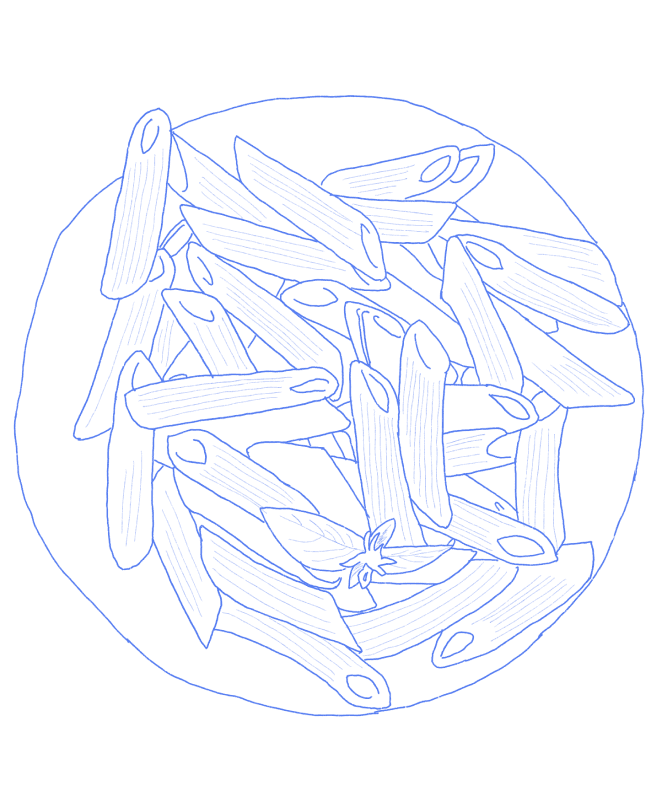
The easiest food for the body to convert into energy, carbs should constitute most of the calories. Think of carbohydrates as the main “fuel food” to keep your body functioning most efficiently.
pasta
02
Protein
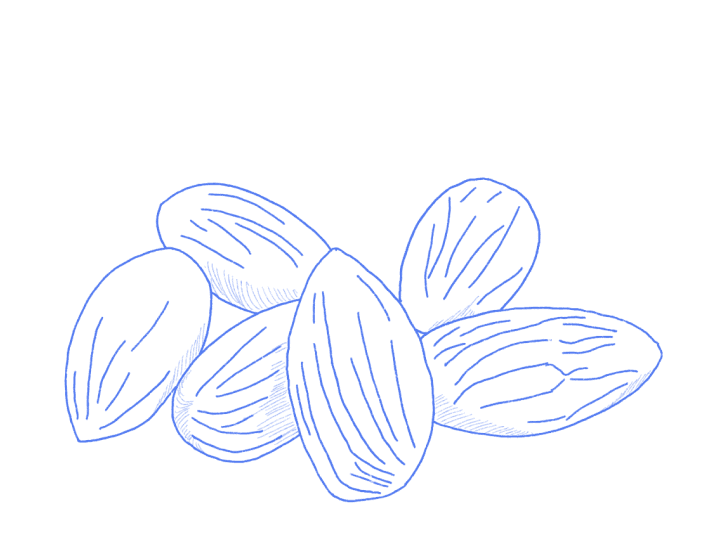
nuts
03
Fats
peanut butter
spacer
text appear
container appear
spacer
01
spacer
02
spacer
Dinner
Dinner
Breakfast
Breakfast


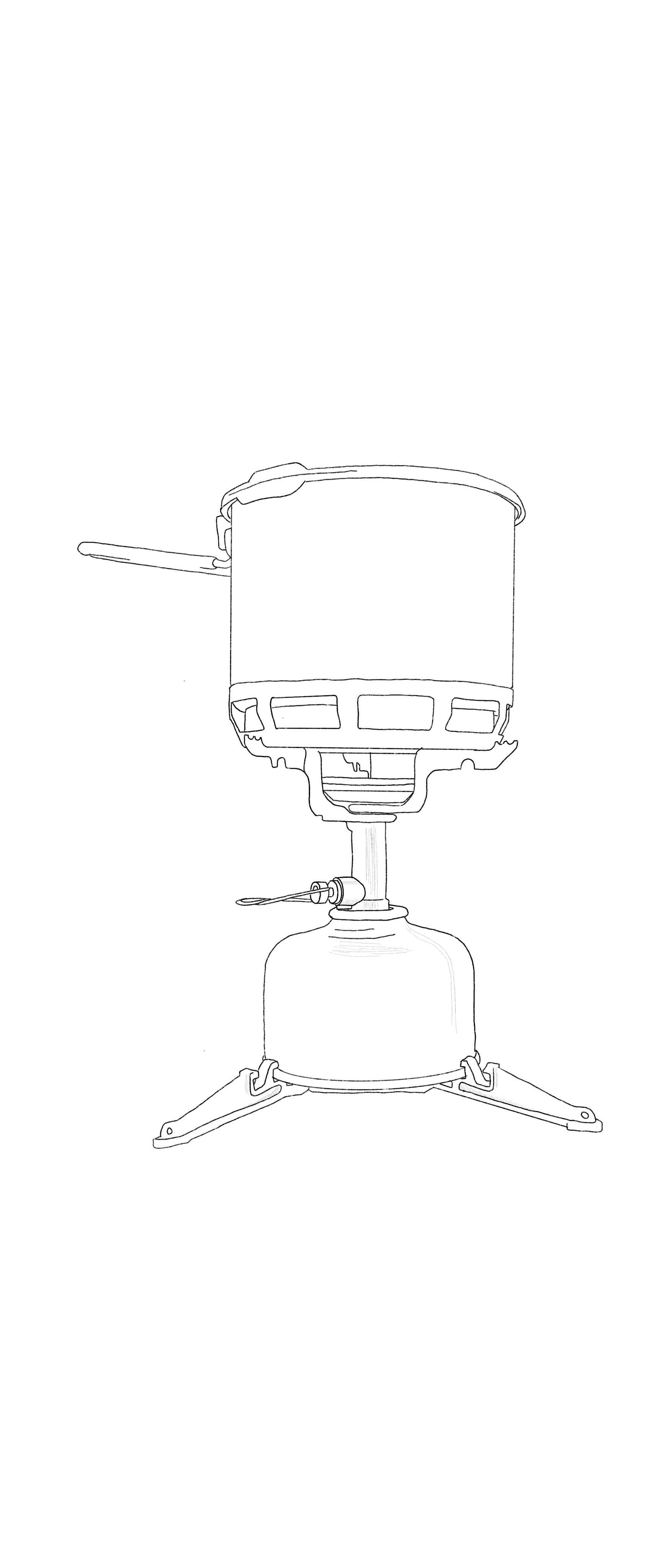
A canister stove is the most practical choice for solo camping — lightweight, easy to use, and no fire-building required. Screw it onto the fuel canister and you're set.
Estimate about 1 liter of water per hot meal...
How much fuel to bring:
Coffee & Tea
Coffee & Tea

plus a little more for coffee or tea of course.
Also, remember to
Factor in your stove's efficiency, then add a buffer for cold or windy conditions.
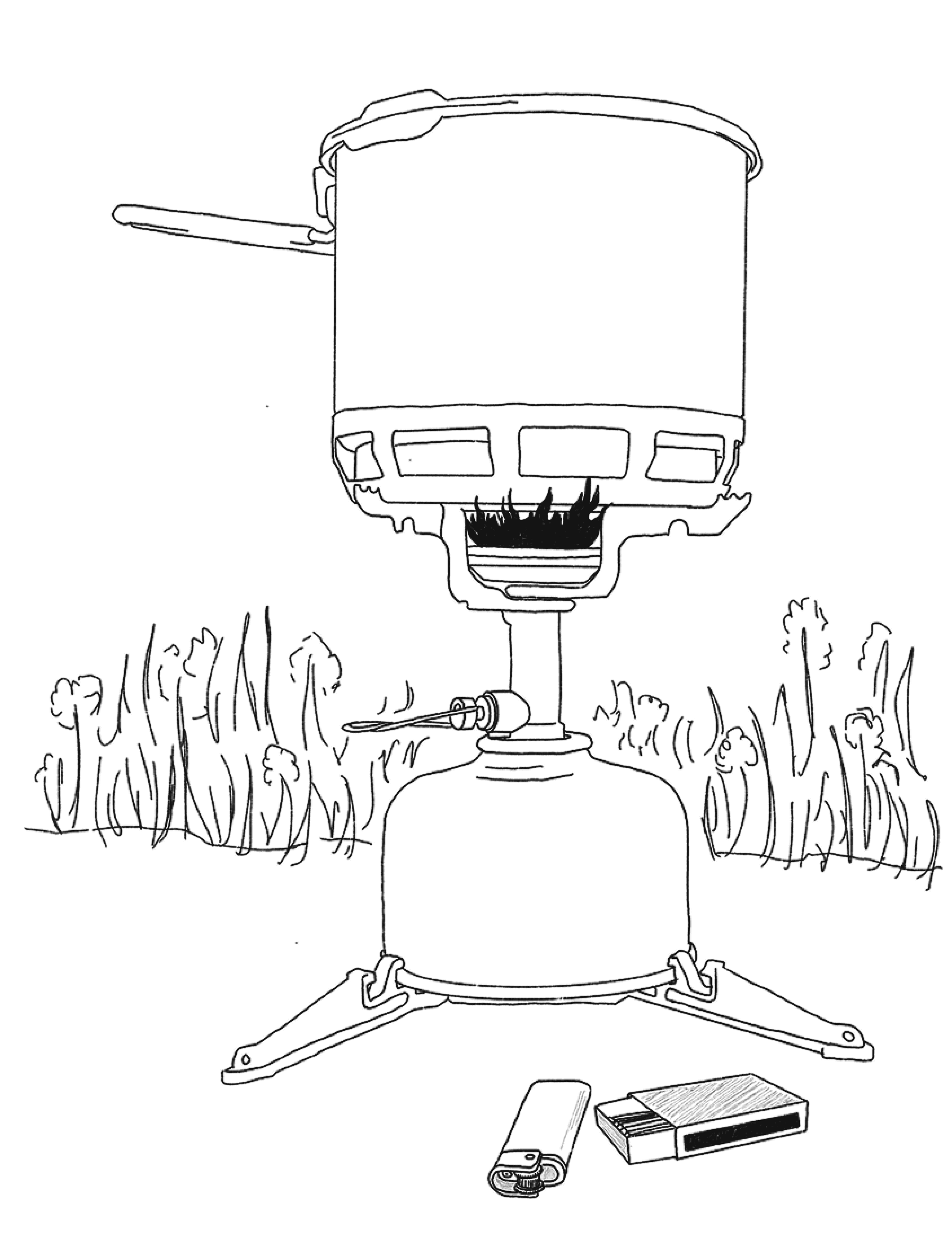
Run at ¾ flame — more efficient, still effective
Keep a backup ignition source (lighter and matches)
Never cook inside your tent (carbon monoxide and fire risk are real)
Cook with a lid and windscreen to conserve fuel
spacer
01
spacer
02
spacer
03
spacer
4
spacer
5
6
spacer
7
spacer
8
spacer
9
spacer
10
spacer
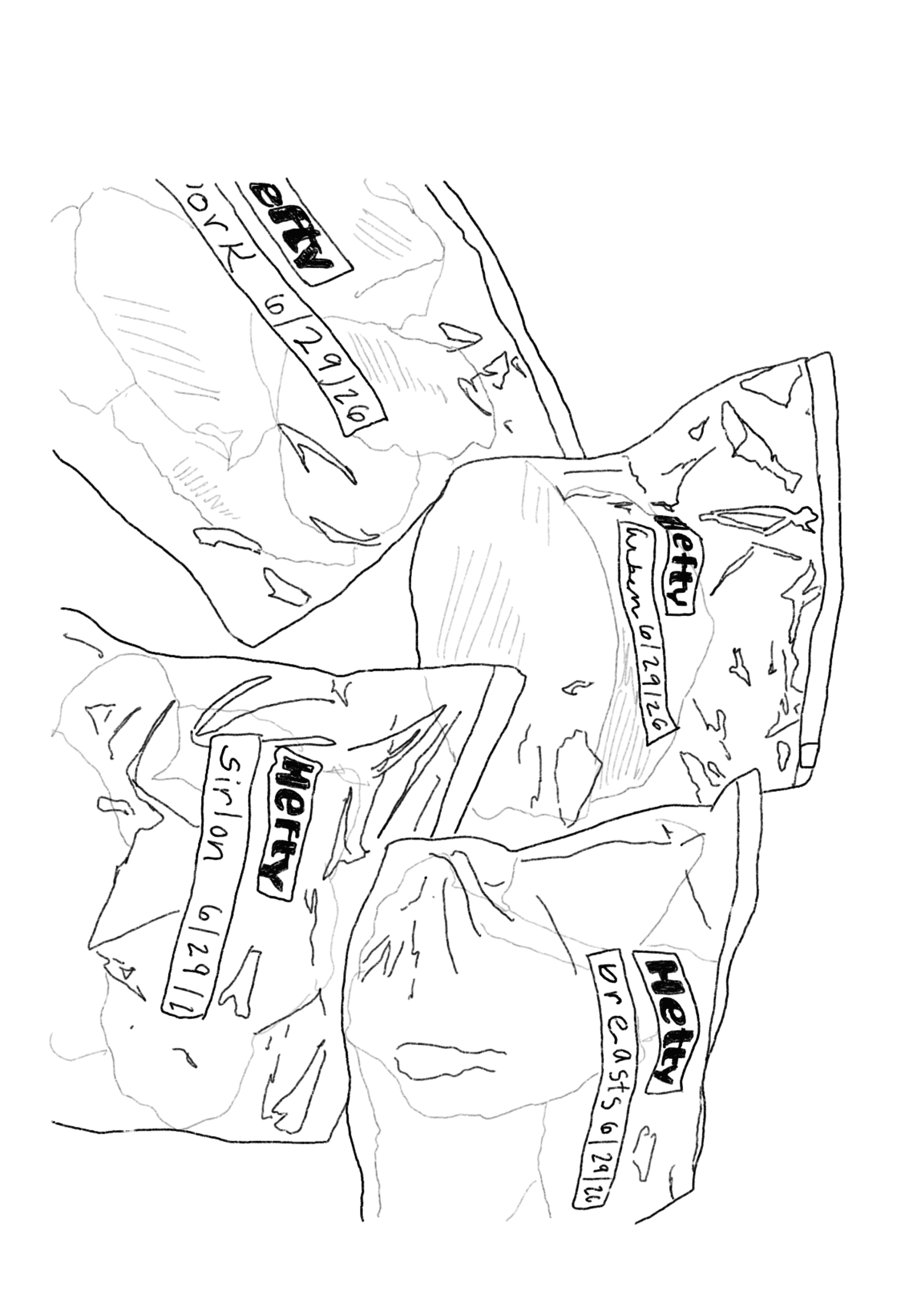
You've got options here. A cooler, a real stove setup, and proximity to your car mean you can eat almost anything you want.
What to keep in mind:
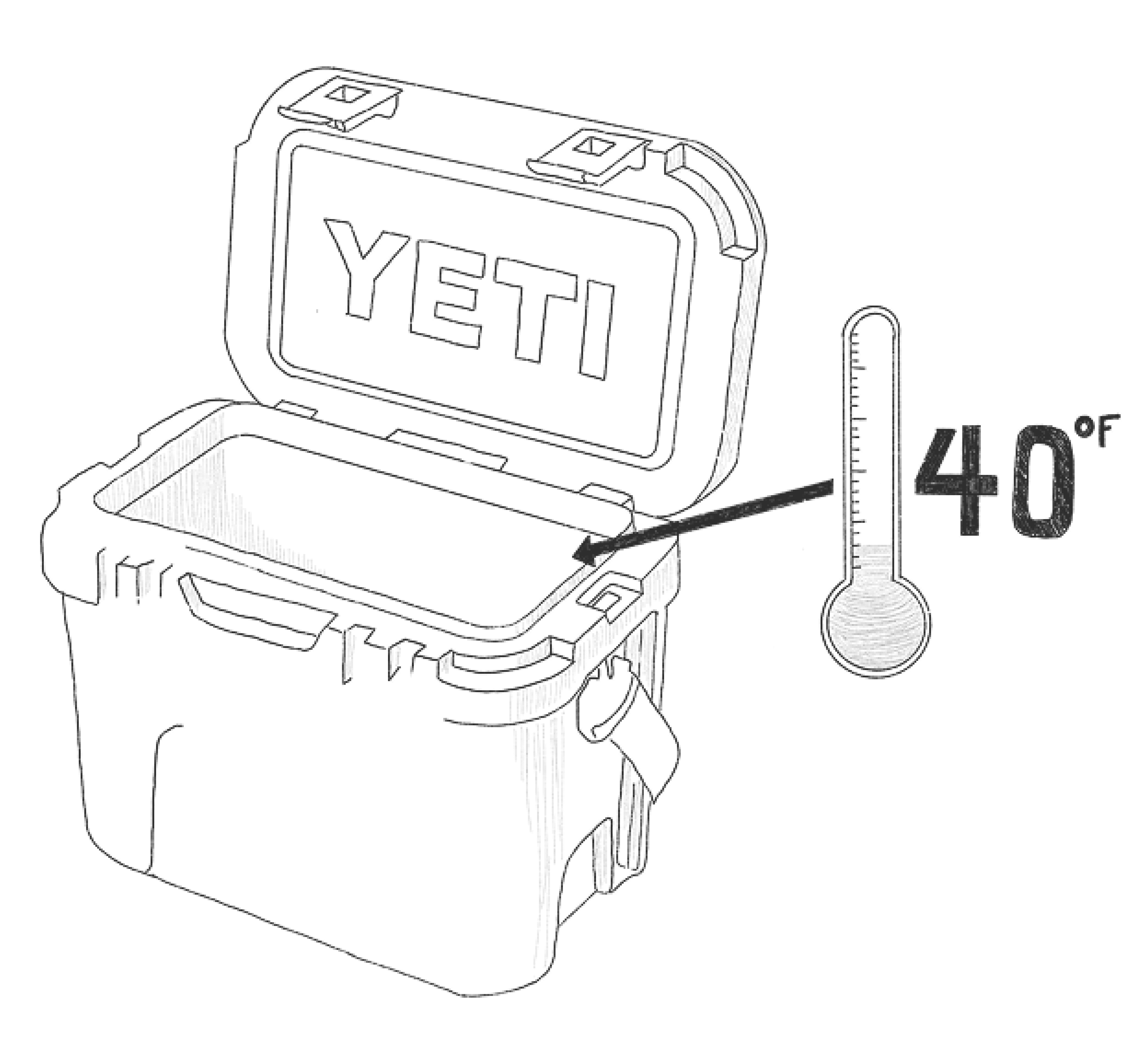
Keep your cooler at or below 40°F to keep perishables safe.
Pack your cooler tightly — the less airspace, the longer it stays cold.
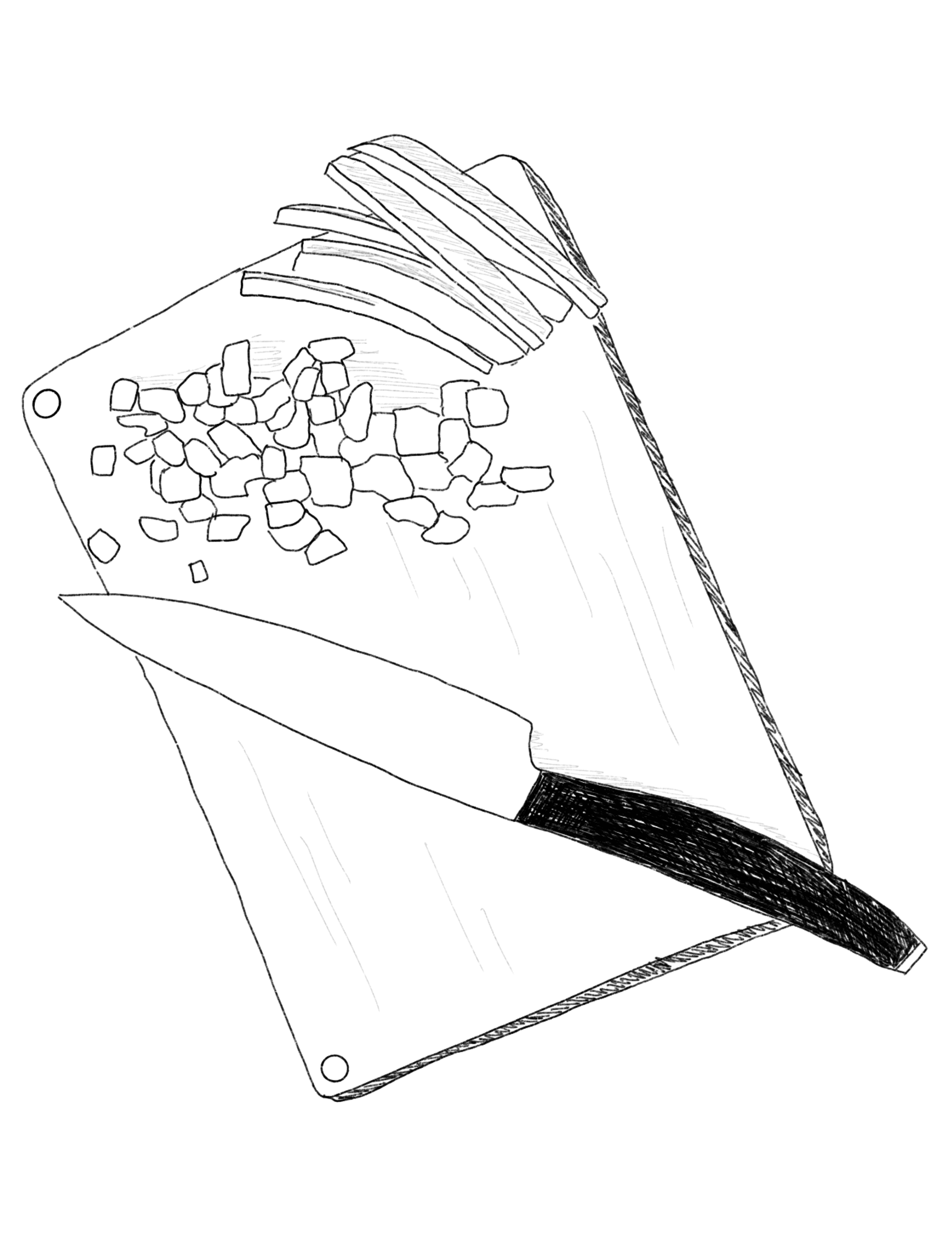
Do your prep at home.
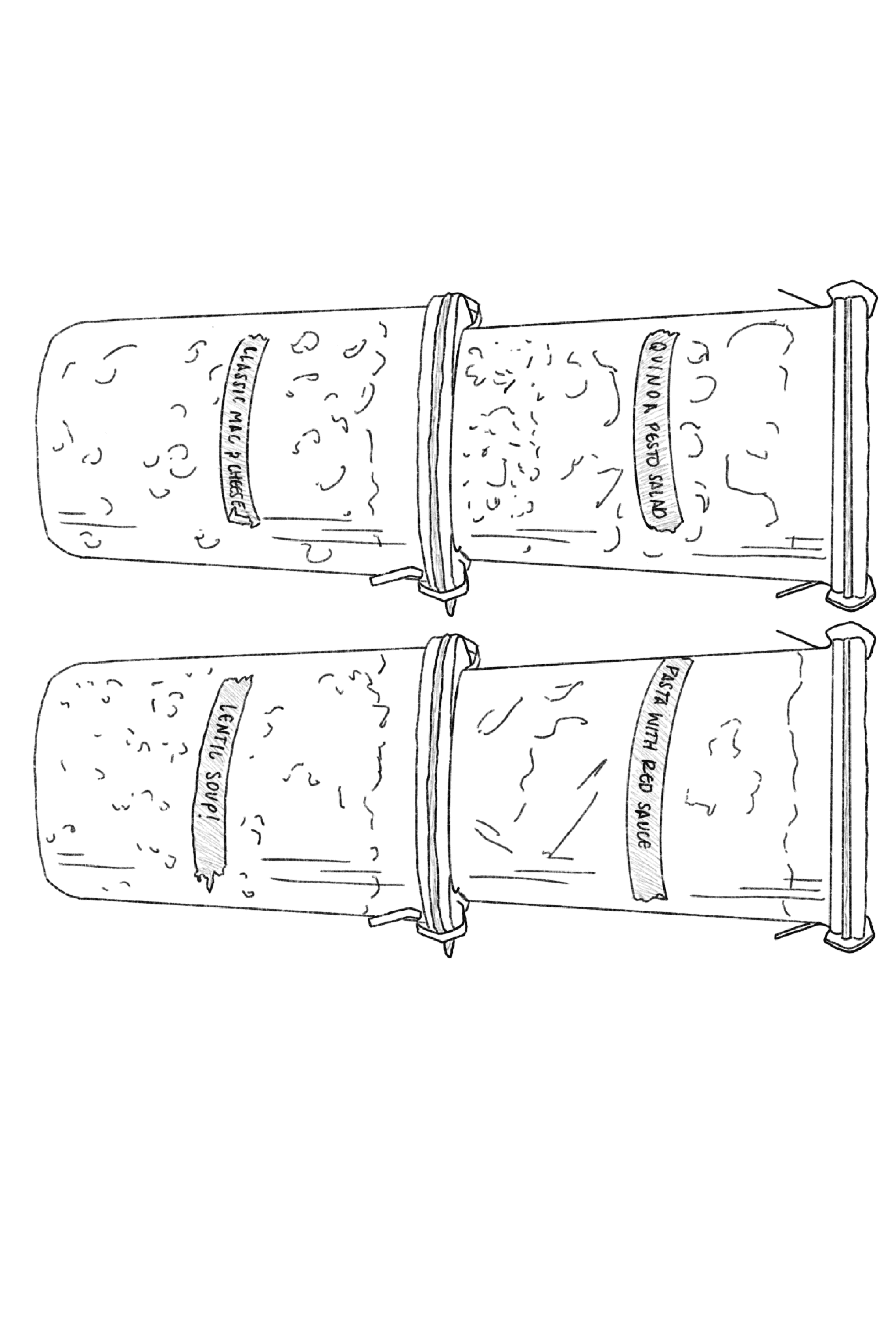
Make-ahead meals are your best friend.
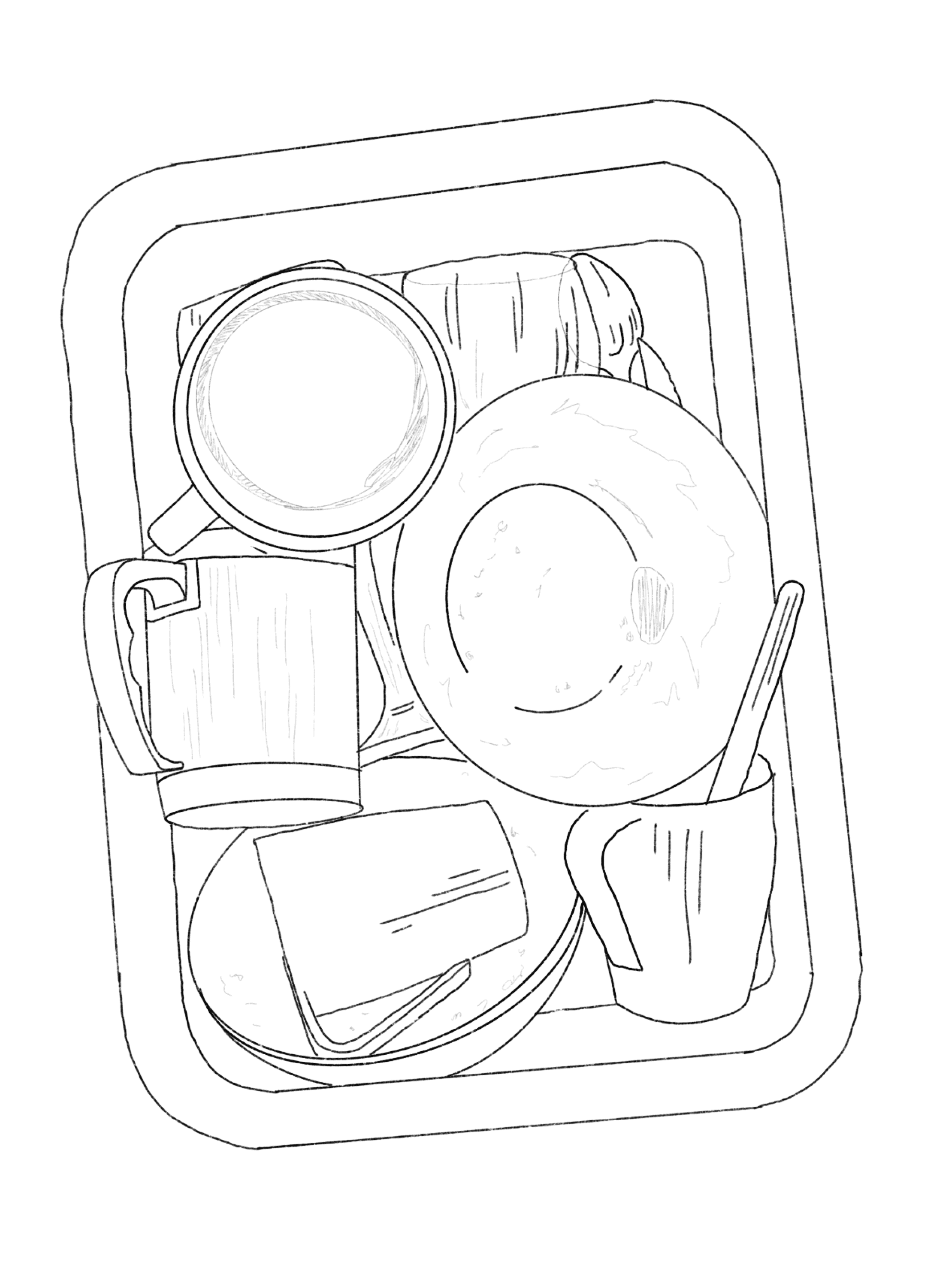
Think about cleanup before you cook.
If raw meat is on the menu...
spacer
01
spacer
02
spacer
03
spacer
04
spacer
05
spacer
text move
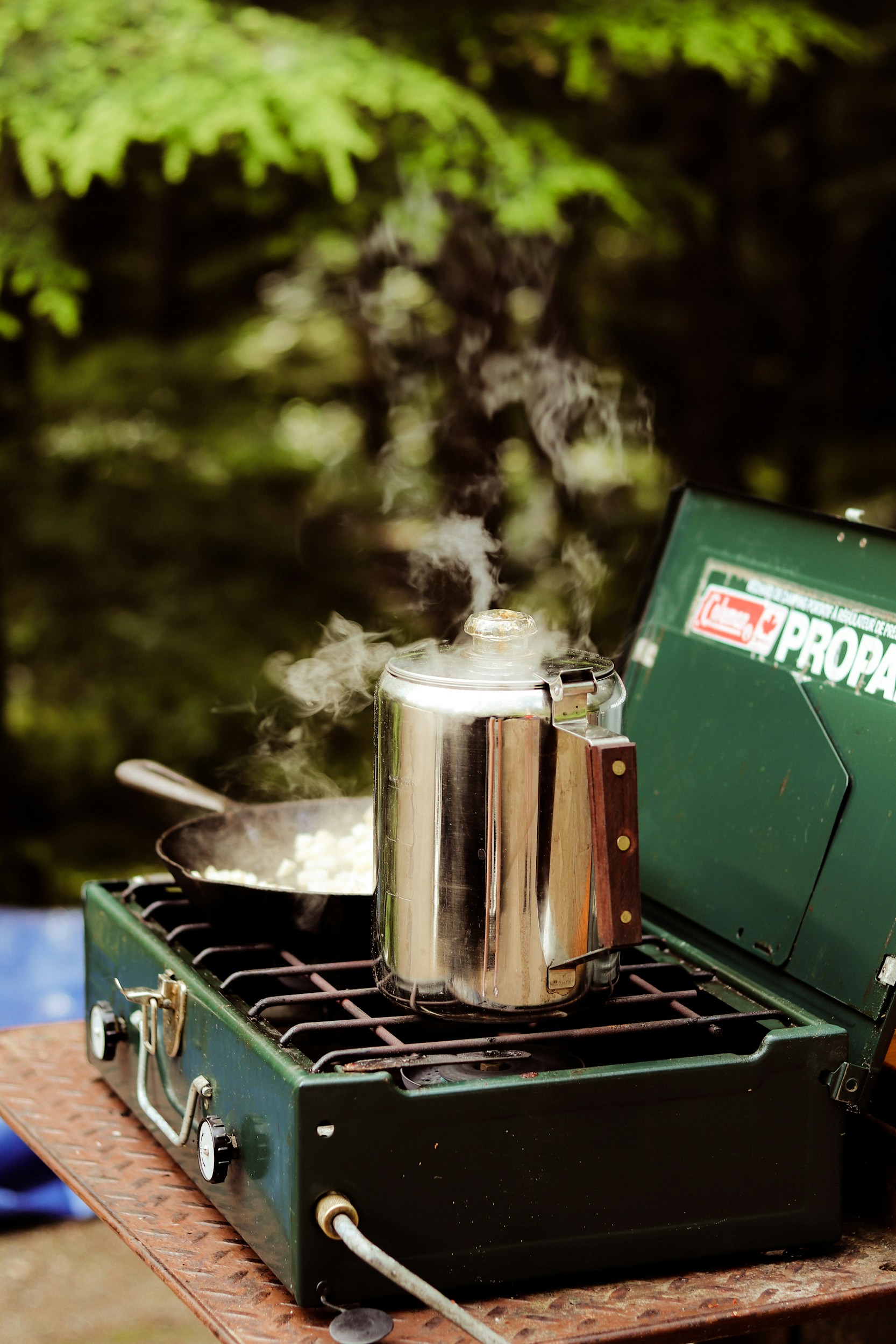
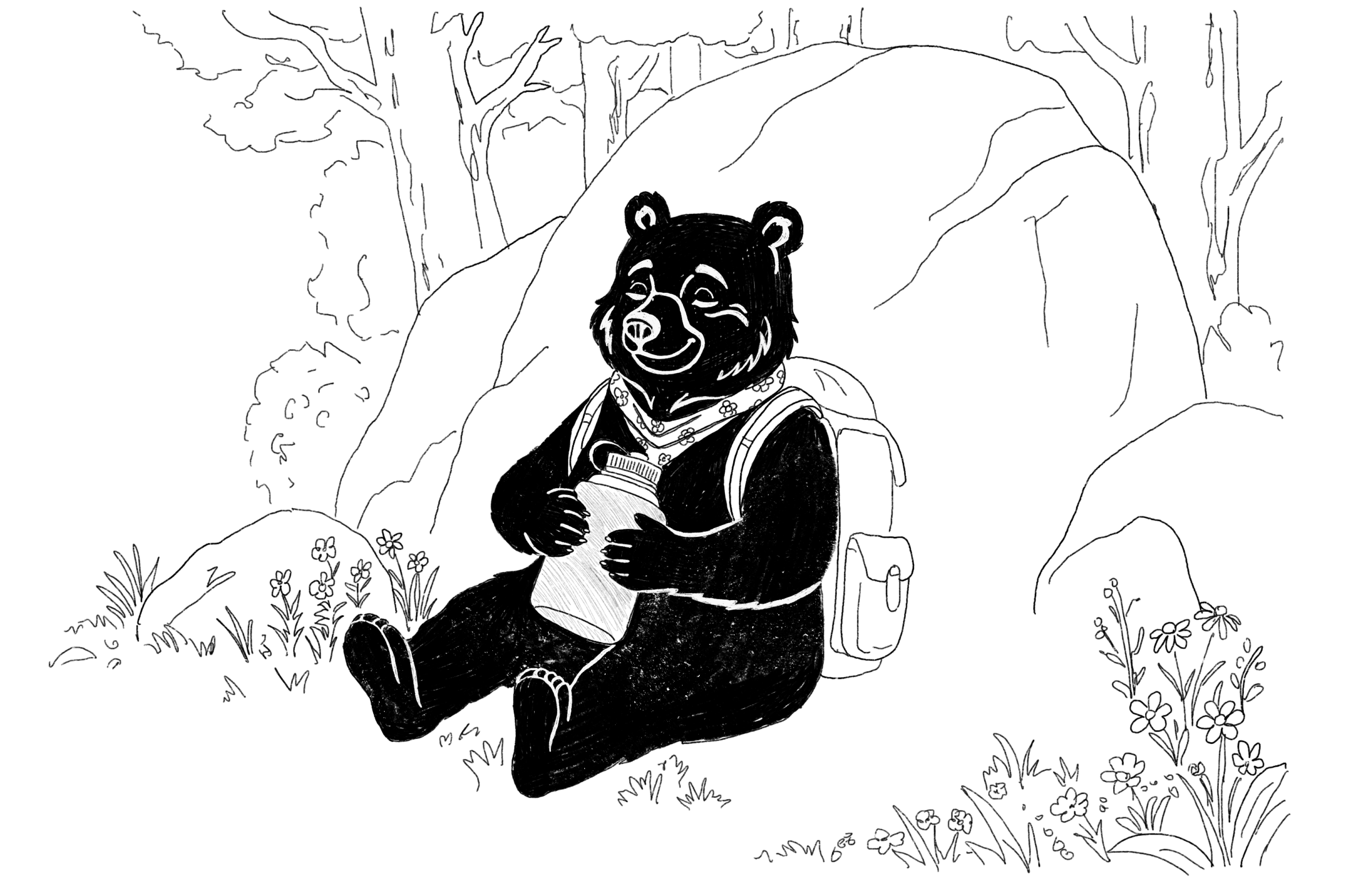
You've worked too hard to get here to let a curious animal ruin your trip - or worse, get habituated to human food and become a problem bear down the line. Proper food storage isn't paranoia. It's stewardship.
When animals associate campsites with snacks, they start seeking people out. A "fed bear" often ends up relocated or euthanized. Your granola bar is not worth that. Here's how to keep everyone safe.
Food (obviously)
Toothpaste, deodorant, lotions

Feminine hygiene products

Trash (even empty wrappers)

Anything with a scent
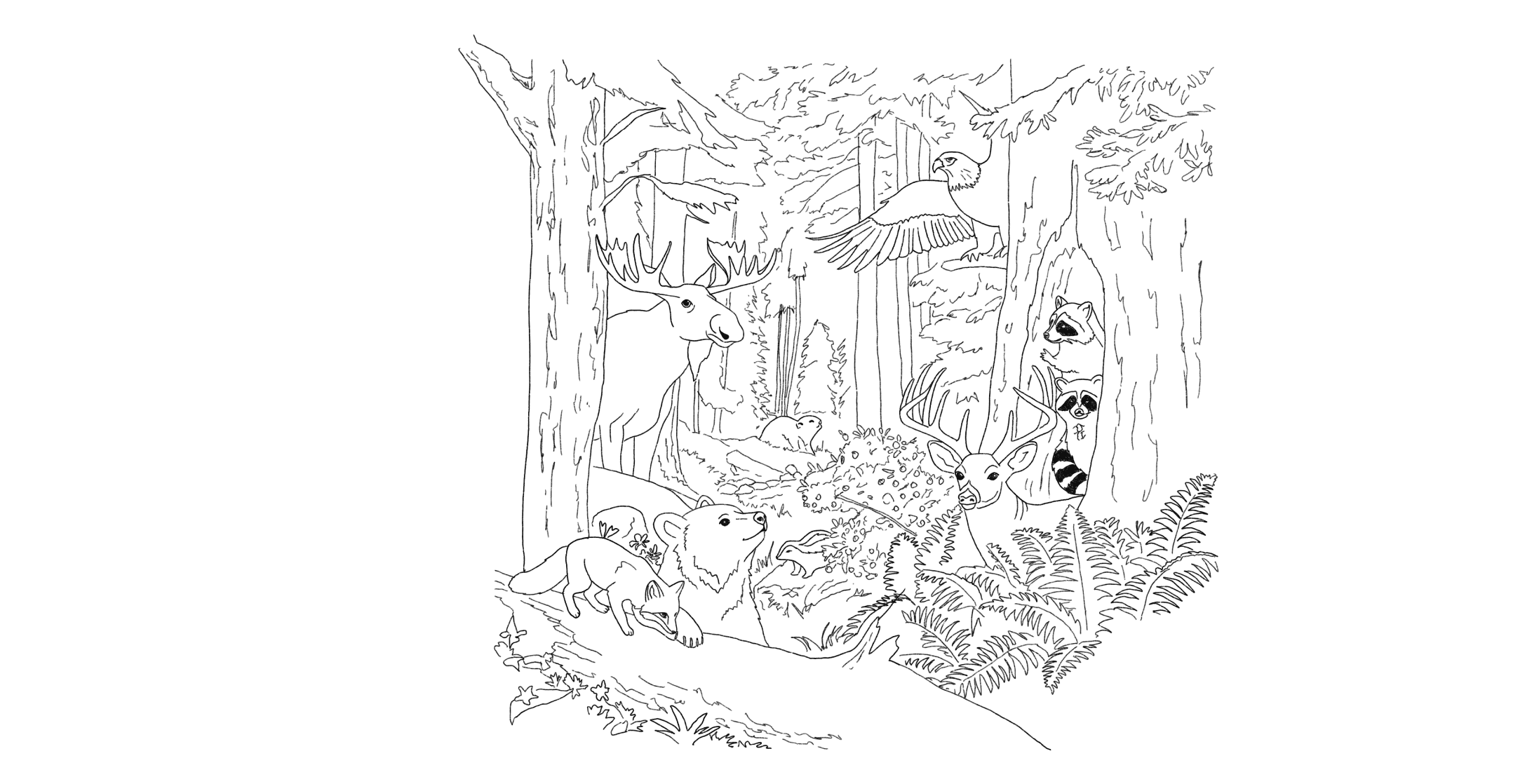
After you cook, wash your hands and dishes thoroughly. Dispose of wastewater at least 200 feet from camp and water sources.
Bears, raccoons, skunks, and rodents can smell through tents, packs, and plastic bags. If it smells, it goes in storage — not in your sleeping area.
Never store these inside your tent.
Food (obviously)
Toothpaste, deodorant, lotions
Feminine hygiene products

Trash (even empty wrappers)
Anything with a scent
spacer
beginning text
pos. 1
pos. 1
pos. 1
pos. 1
pos. 1
spacer
spacer
texttransiton
pos 2
pos 2
pos 2
pos 2
pos 2
spacer
pos 3
spacer
The gold standard
Bear Canisters
Hard-sided bear canisters are the most effective way to store food in the backcountry — and in many high-use areas, they're required by law. They're bulky and add weight (about 2–3 lbs), but they work. Many parks and ranger stations rent or loan canisters if you don't want to buy one. If you're heading into designated bear country, check ahead — you may not have a choice, and that's a good thing.
During the day, keep perishables in coolers or locked vehicles.
01
At night, use bear-proof lockers if the campground provides them — they're built for this and they work.
02
If a canister isn't required and you're comfortable with the technique: You can hang a bear bag instead.
03

spacer
01
spacer
02
spacer
03
spacer
How to hang a bear bag
01
Find a sturdy branch at least 15 feet off the ground, ideally on a tree away from your tent.

15 ft
02
Toss a rope or cord over the branch. Tie your food bag to one end.
03
Attach a twig to the rope using a clove hitch knot so it can be used as a jam stick.
04
Hoist the bag so it hangs at least 10–15 feet off the ground and 4 feet away from the trunk (so bears can't reach it by climbing or standing).

A fed bear is a dead bear.
Why?
A poorly hung bag is an invitation. Bears are smart, persistent, and strong. If the bag is too low, too close to the trunk, or not secured well, they'll figure it out.
spacer
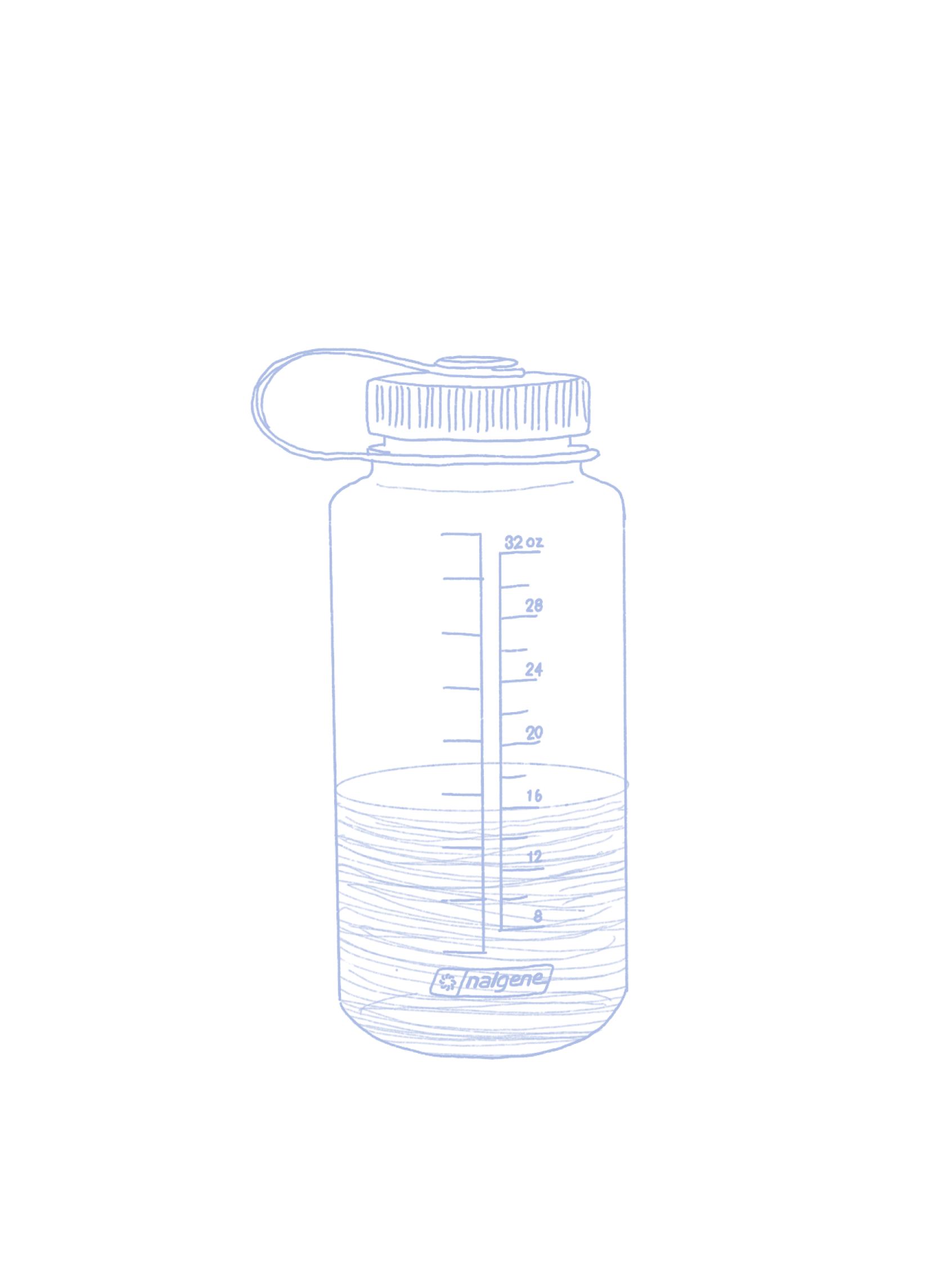
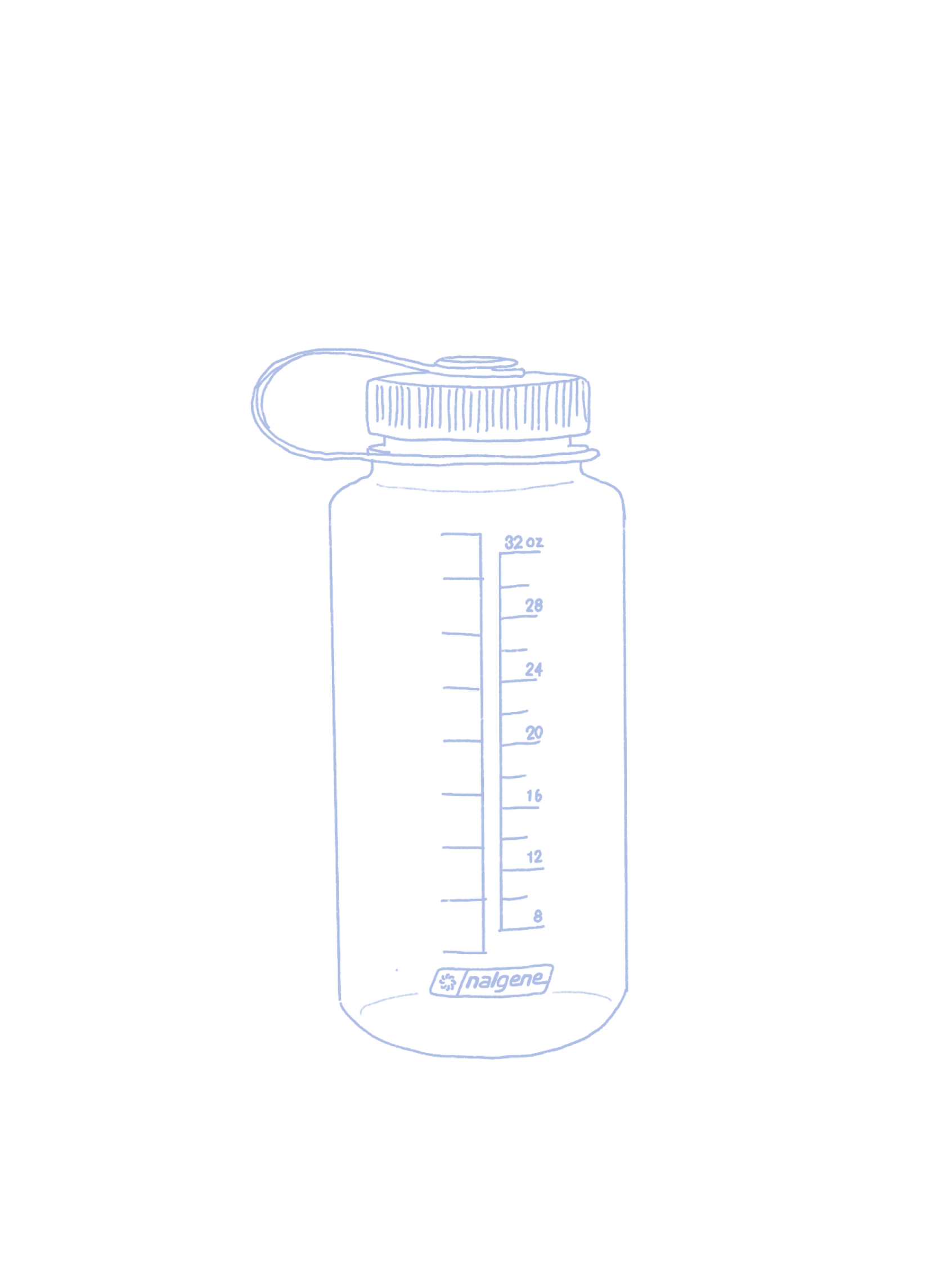
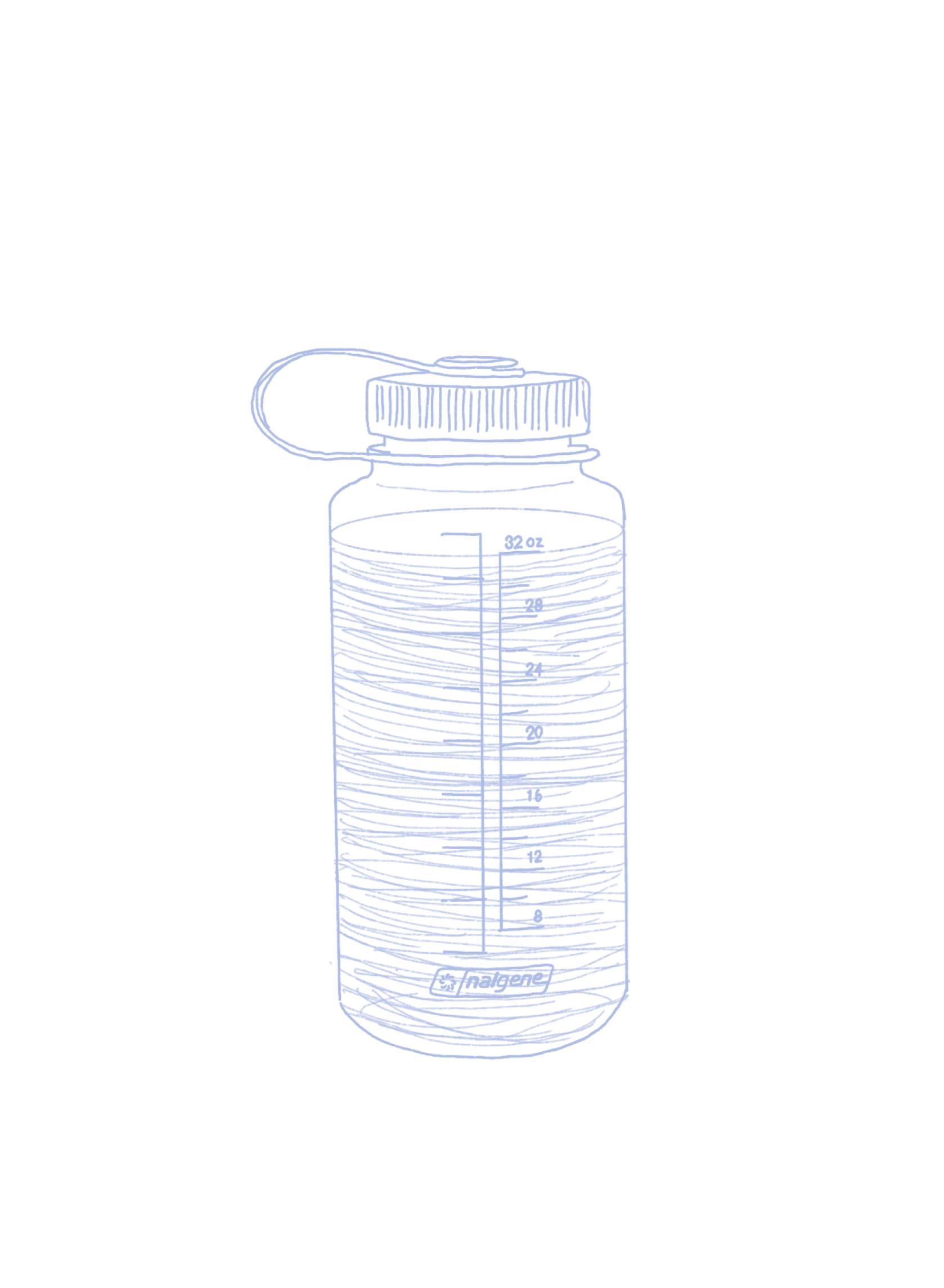
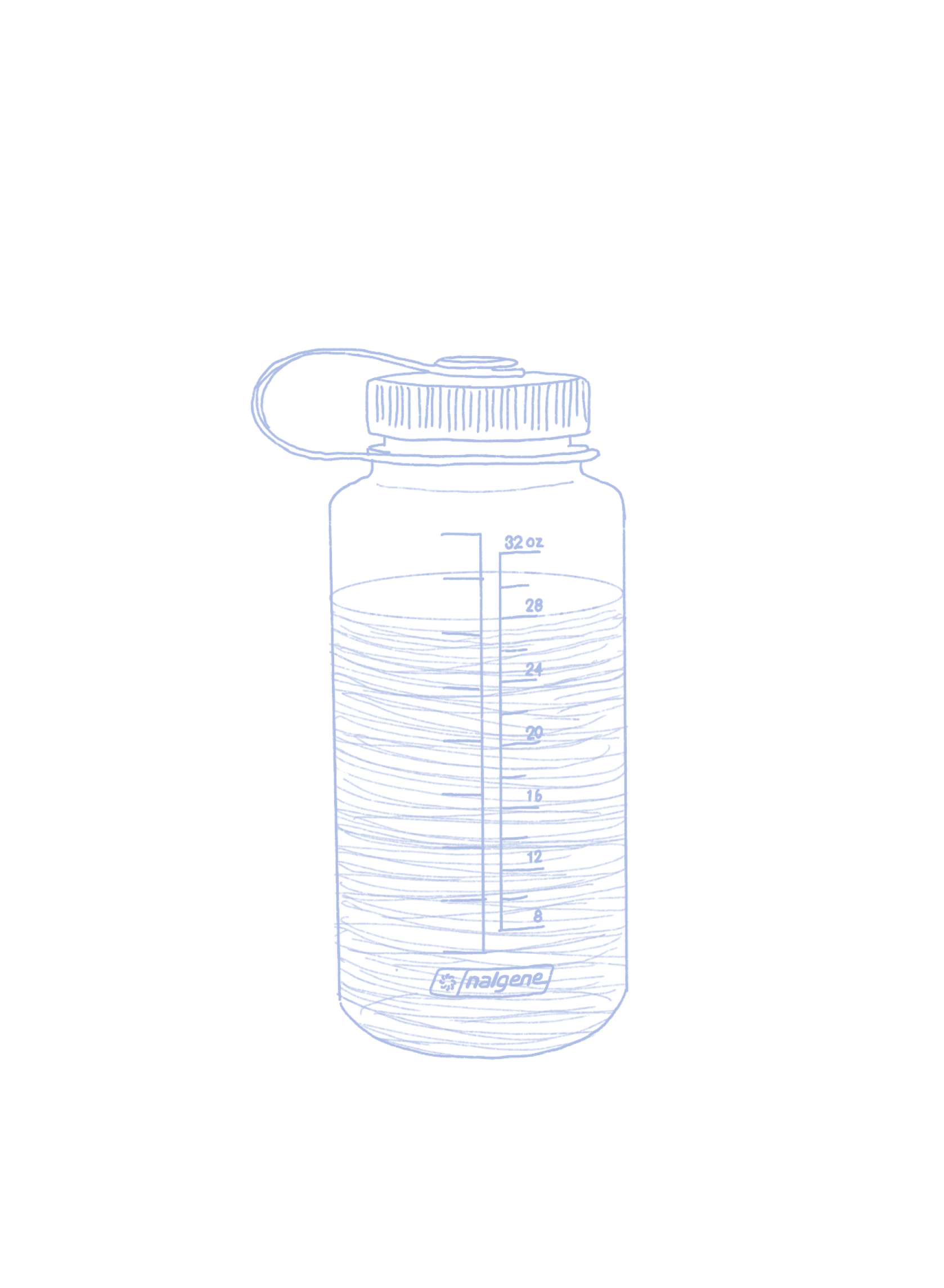
How much water to bring
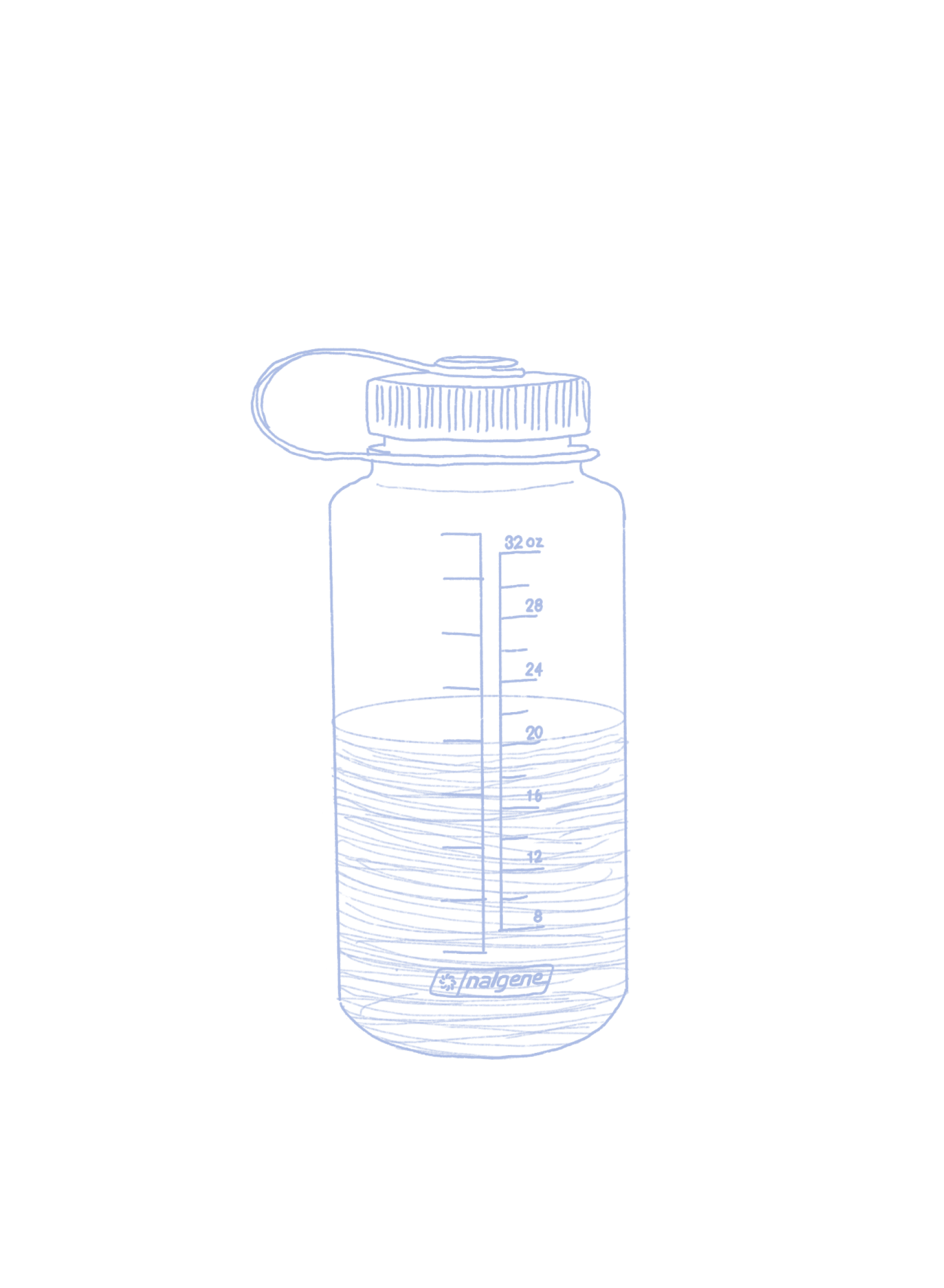
Plan for 1–2 gallons per person per day.
Daily drinking
Hot weather, high elevation, or big miles? Bring more.
Extra for exertion
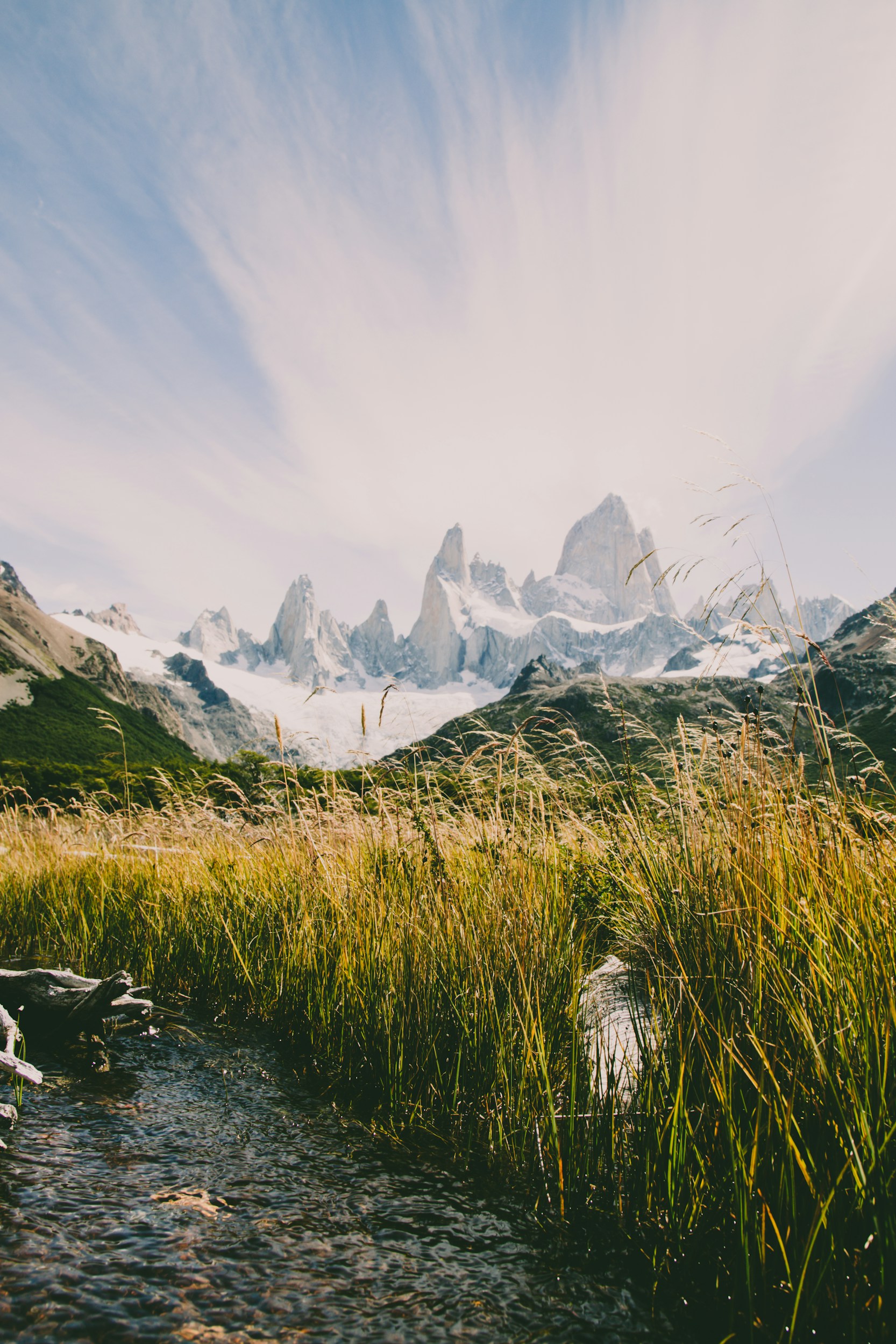
Three ways to make water safe
Camping near a reliable water source? You can carry less - as long as you have a way to treat it.
Natural water
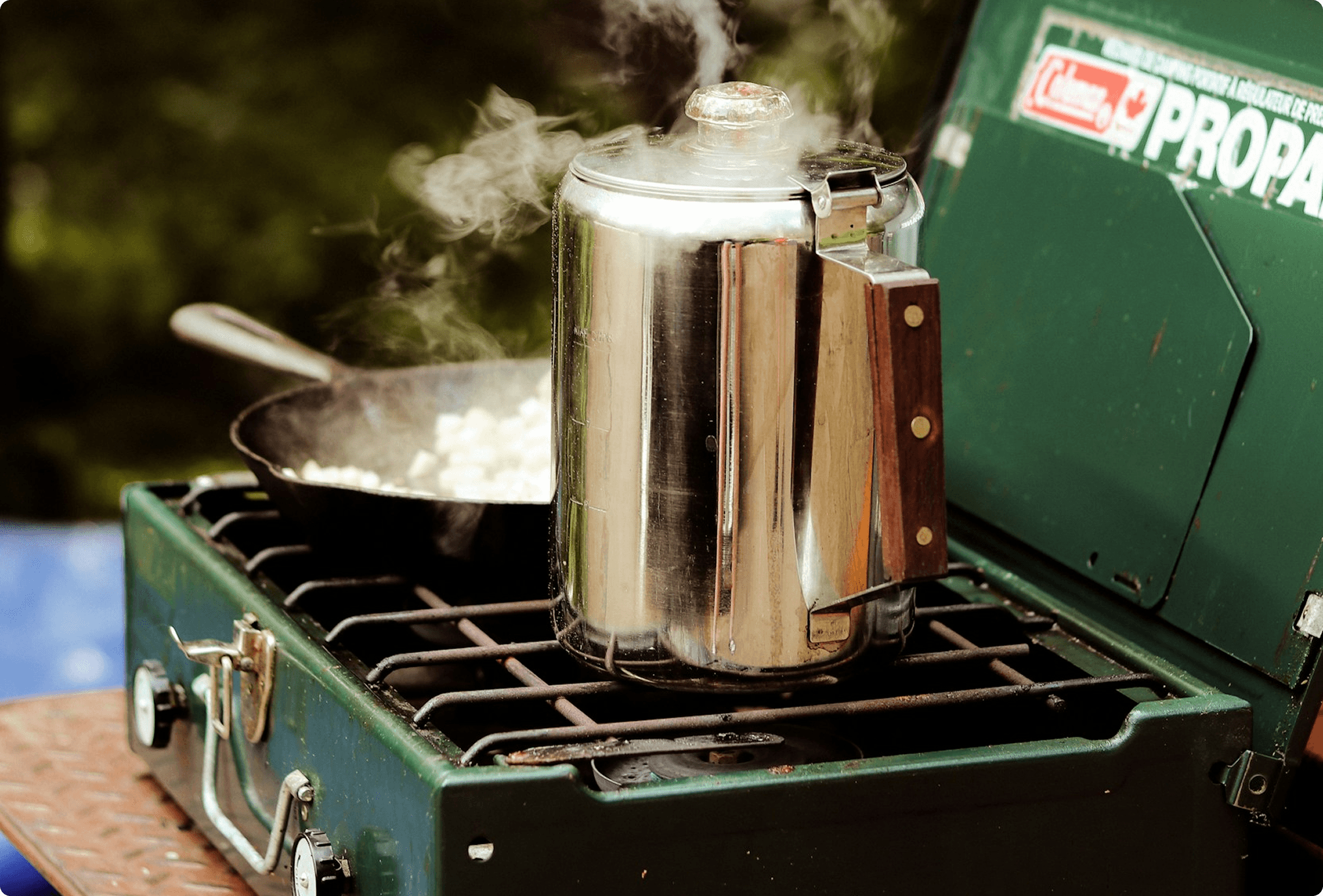
Add another 0.75–1 liter of hot water per meal if you're cooking dehydrated food or making coffee.
Don’t forget cooking water


most reliable
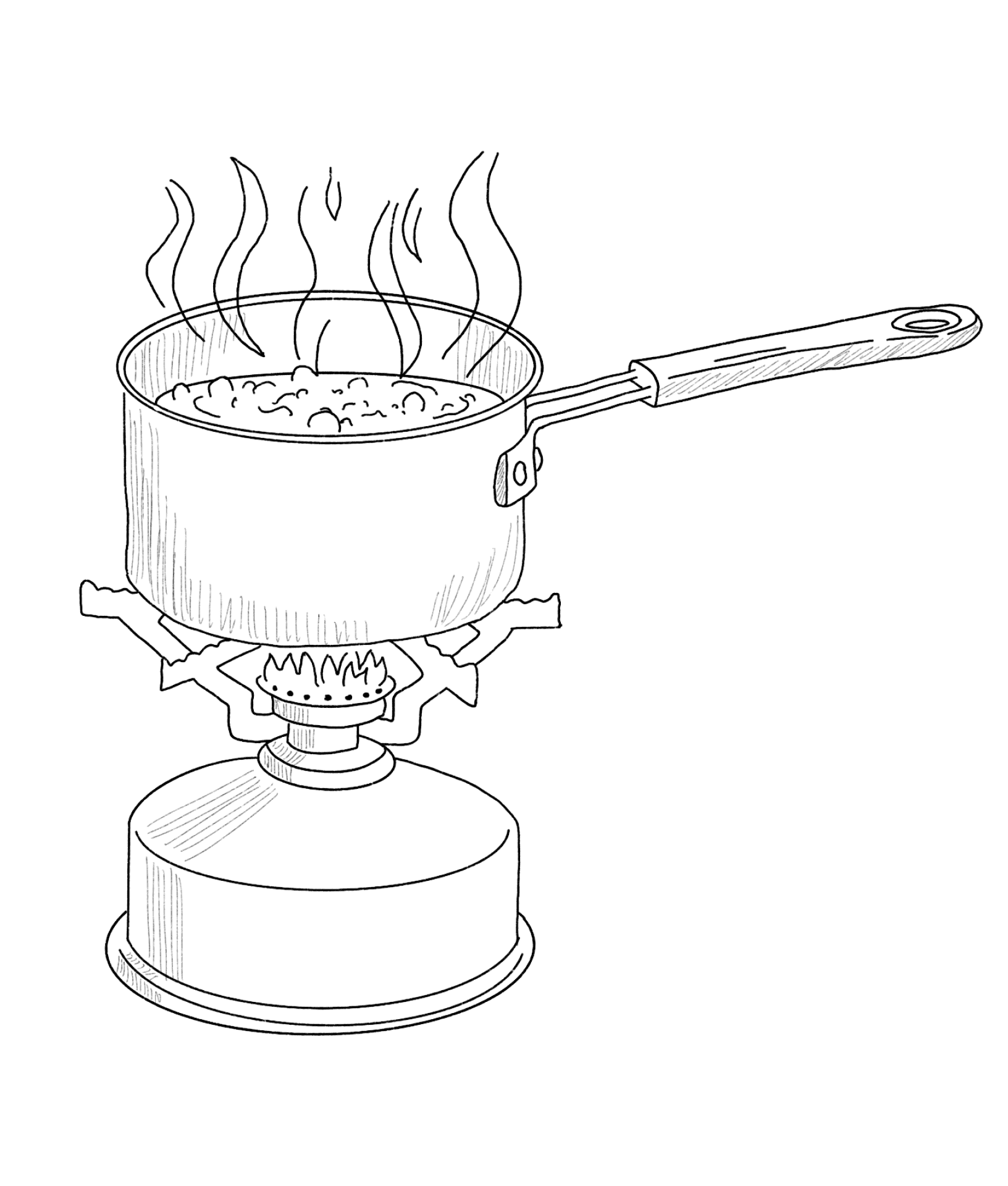
Boiling
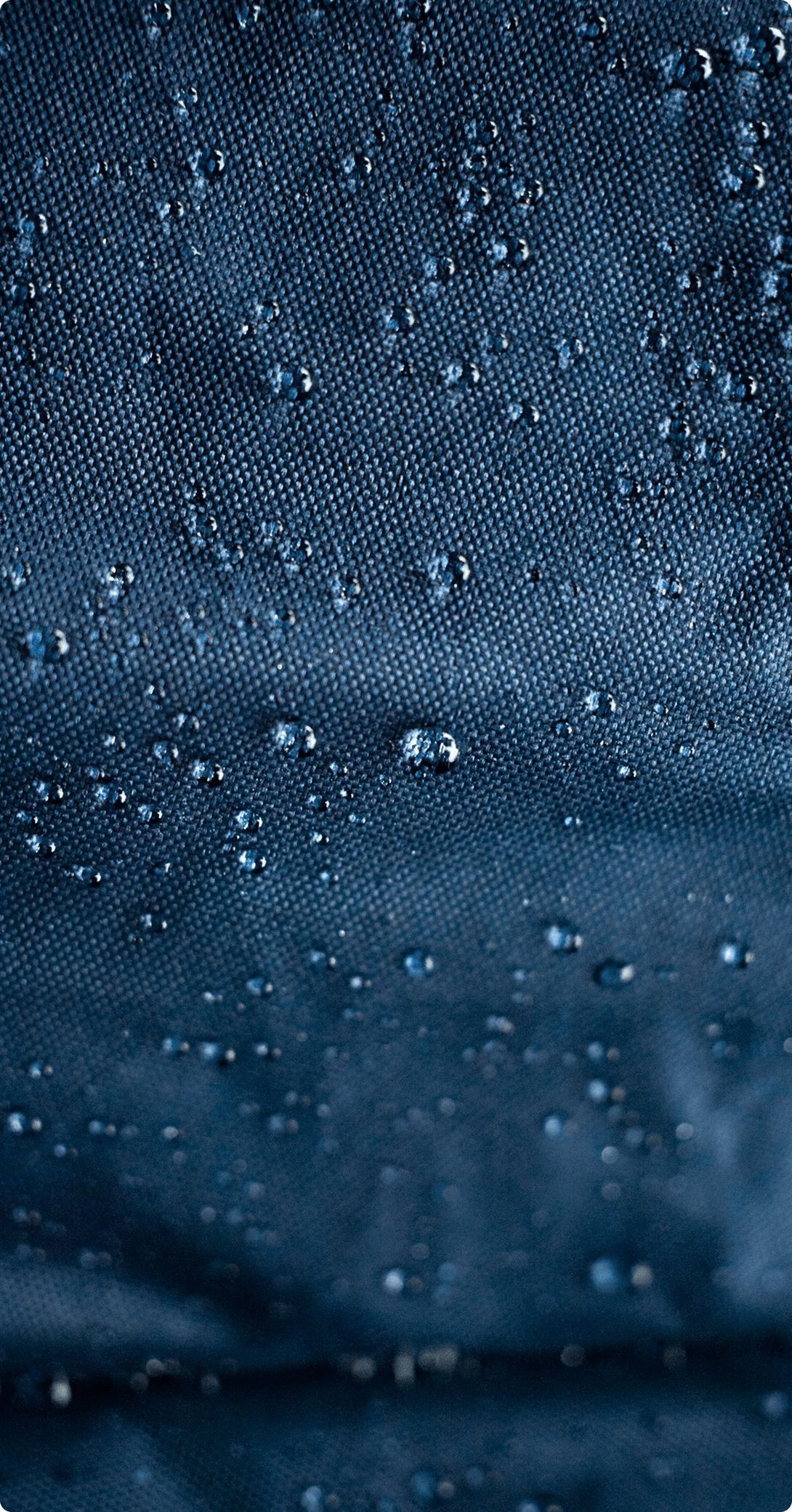
Bring water to a rolling boil for at least 1 minute. At high elevation (above 6,500 ft), boil for 3 minutes. No gear is required except your stove, which will work every single time.


fast + convenient
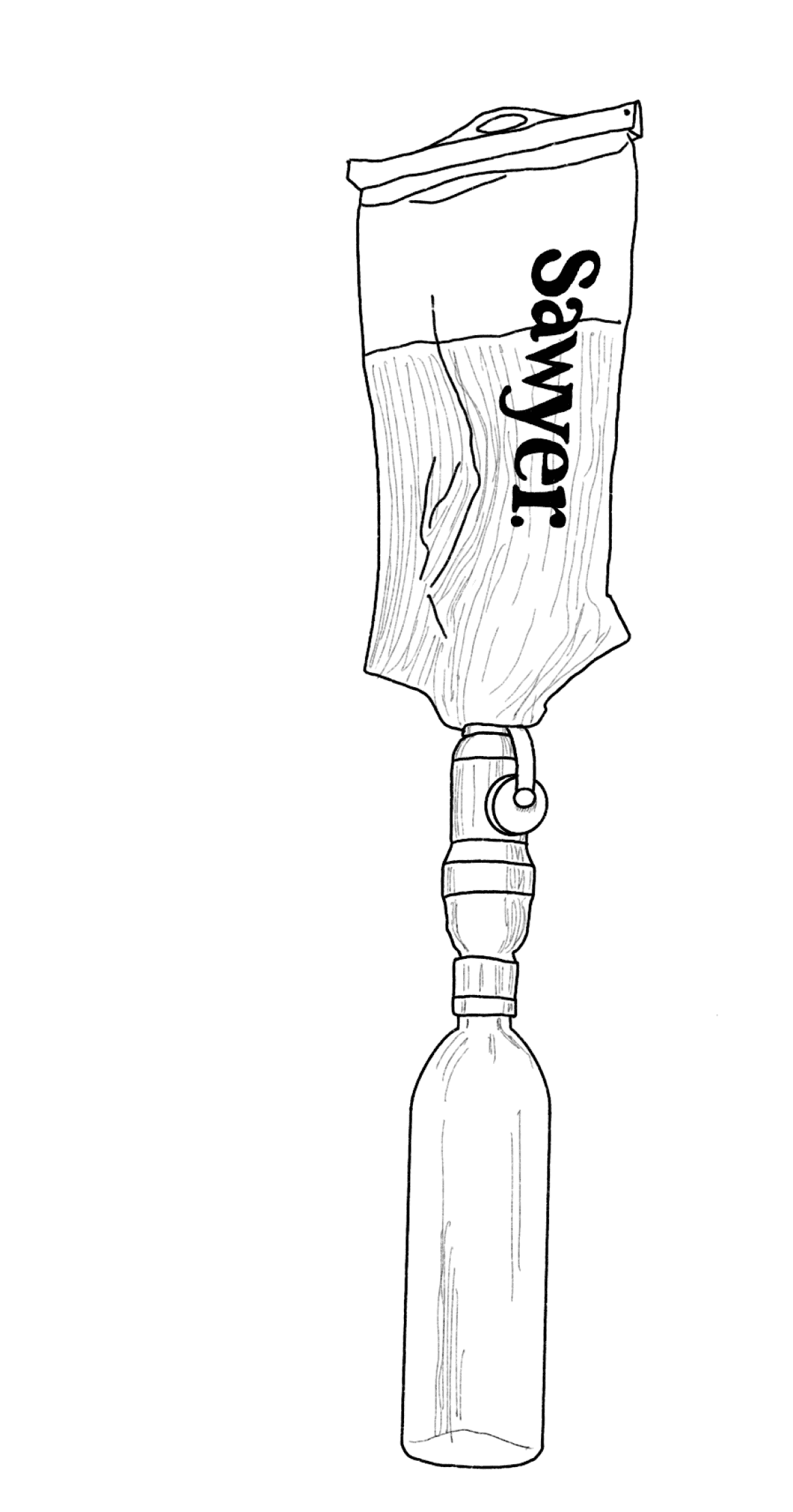
Filtering
Pump or squeeze filters remove bacteria and protozoa instantly. They're great for drinking on the move. Just keep the clean side clean - cross-contamination is the main risk.


lightweight backup
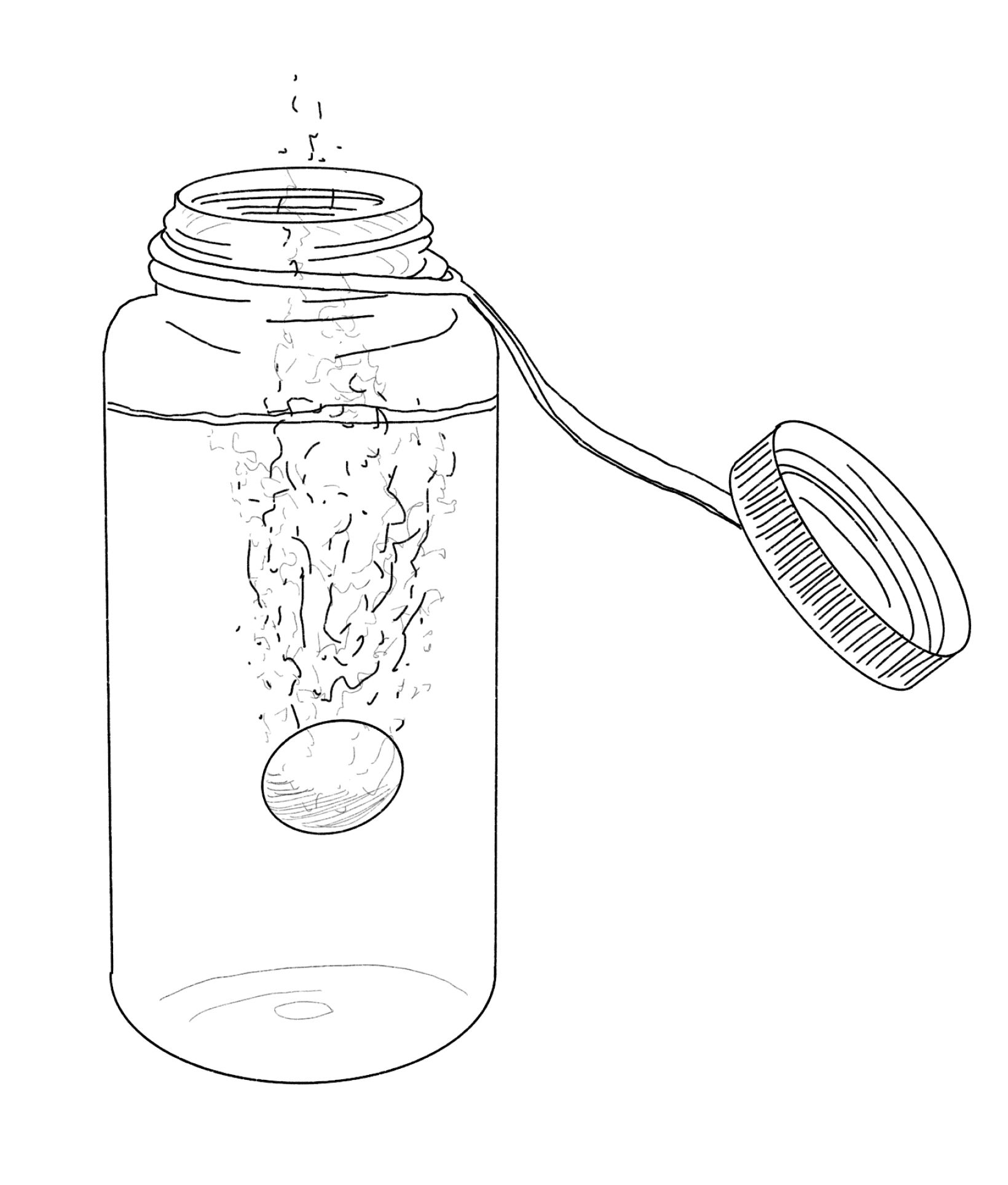
Chemical Treatment
Tablets or drops (like chlorine dioxide) are tiny, cheap, and effective. But, you have to wait 30 min - 4 hr depending on the product and water temperature. Read the instructions.
spacer
01
02
03
spacer
Use treated water for
everything, not just
cooking, brushing teeth,
and washing dishes…
all of it.
And wash your hands thoroughly before you handle food. Most backcountry stomach bugs don't come from the stream. They come from dirty hands touching trail mix.
spacer
water text
water text
water text
water text
water fill
spacer
all
spacer

The gross stuff
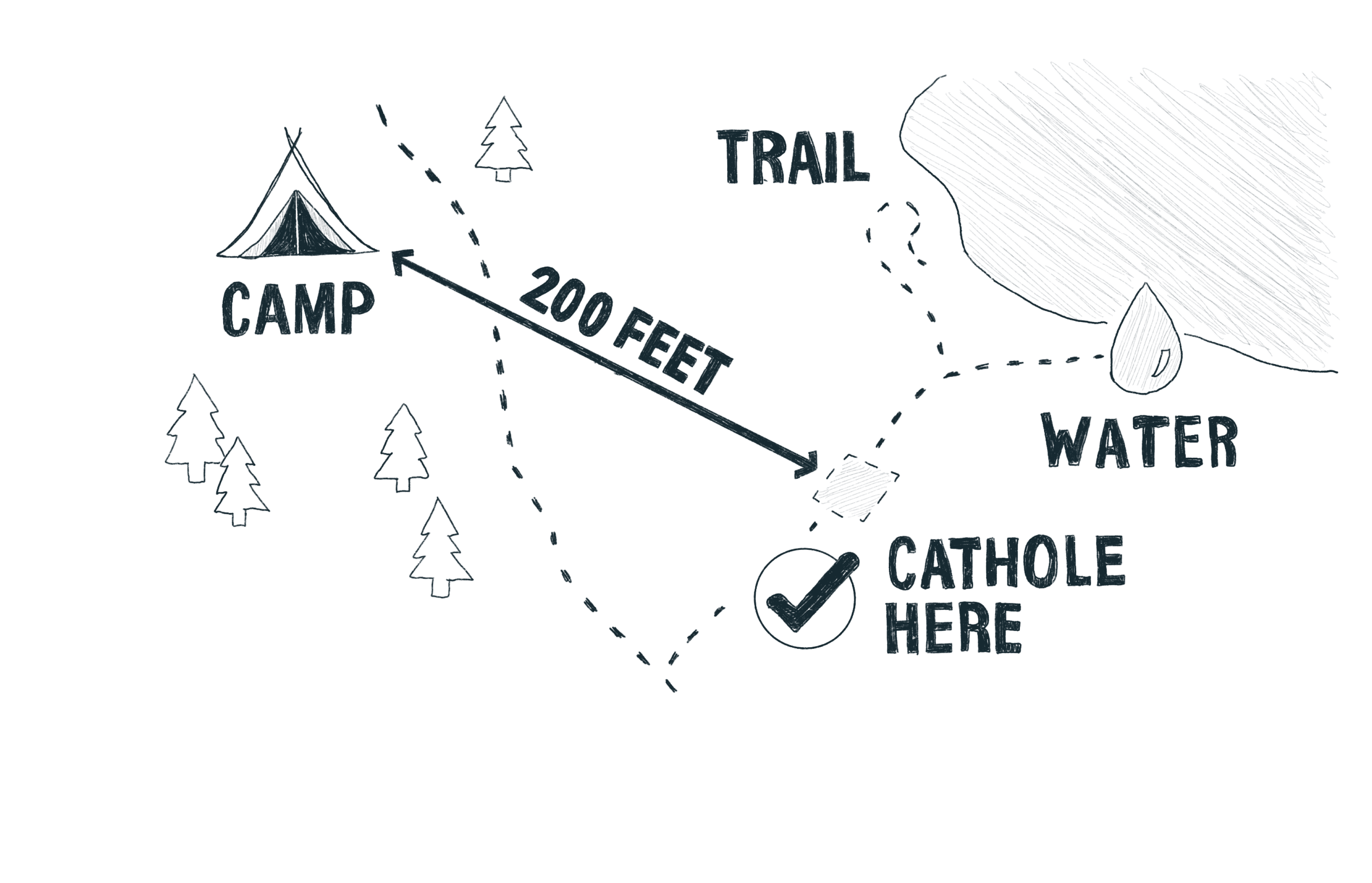
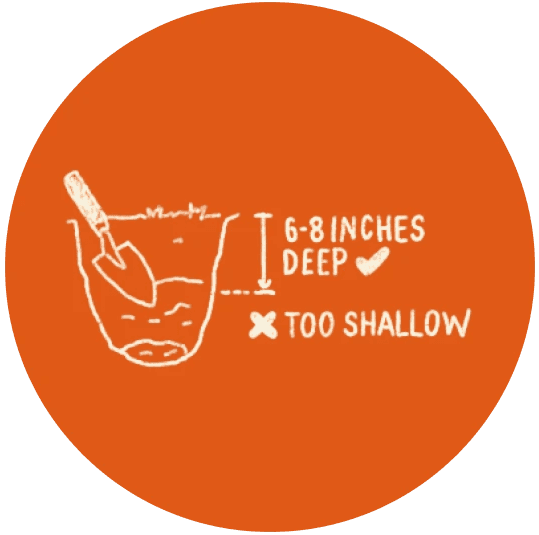
For Solid waste: Dig a cathole 6–8 inches deep, at least 200 feet from water, trails, and campsites. Bury waste, cover it completely. In high-use or sensitive areas (alpine zones, desert), you may be required to pack it out entirely, and you must pack out toilet paper and hygiene products always. This is non-negotiable.
For urine, it is generally fine to disperse on durable surfaces (rocks, gravel) away from camp and water. Avoid peeing directly on vegetation in fragile ecosystems.
spacer
water text
spacer
water fill
spacer
On your period? don’t worry! YOu’ve got options
Disposable products (tampons, pads):
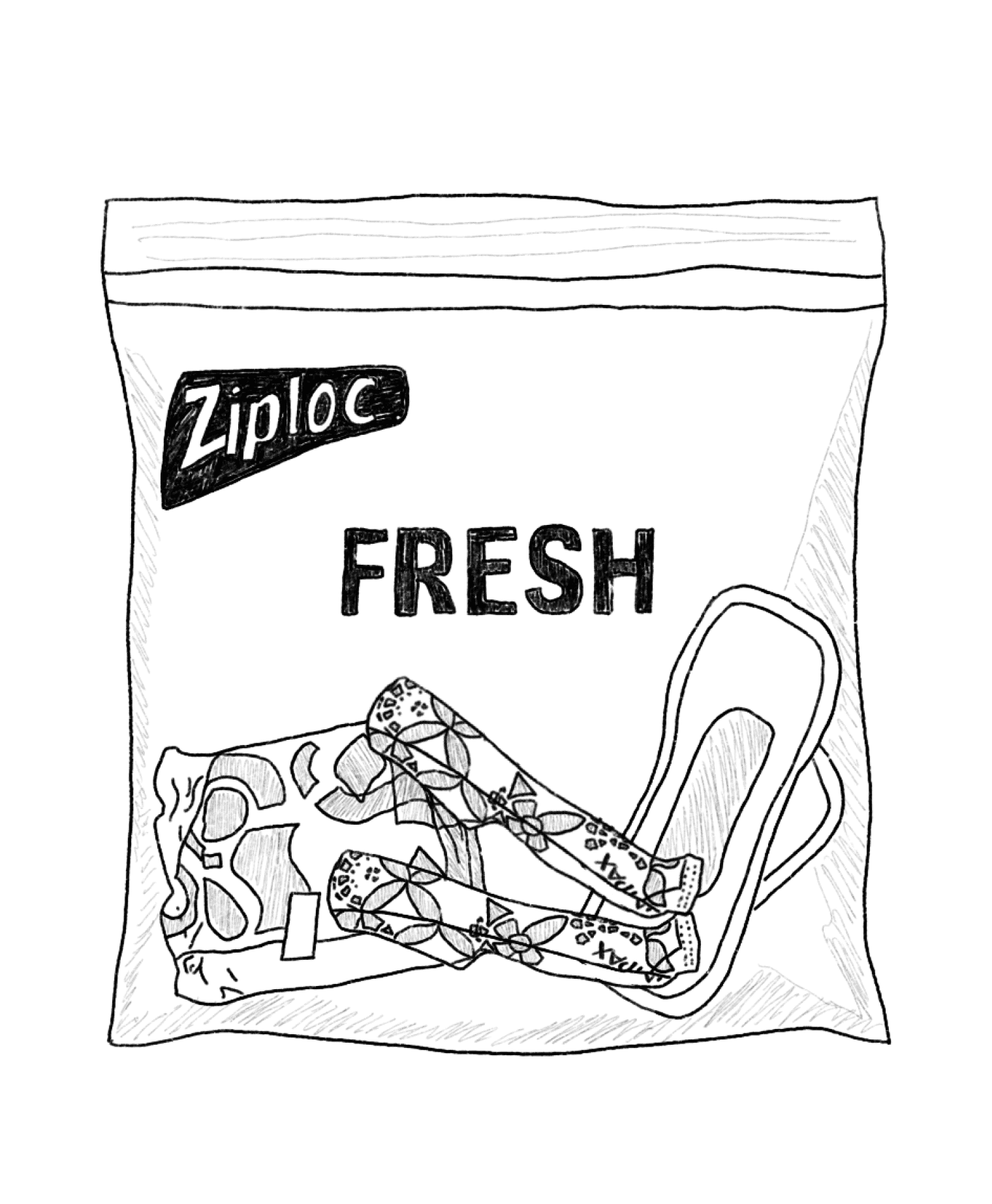
Bring more than you think you'll need. Non-applicator tampons create less waste. Pack them in a clearly labeled "fresh supplies" bag, and designate a second sealed bag for used products.
Menstrual cups
Period underwear
spacer
options 1
options 2
spacer
options 3
options 4
spacer
options 5
options 6
spacer
Cramps and comfort
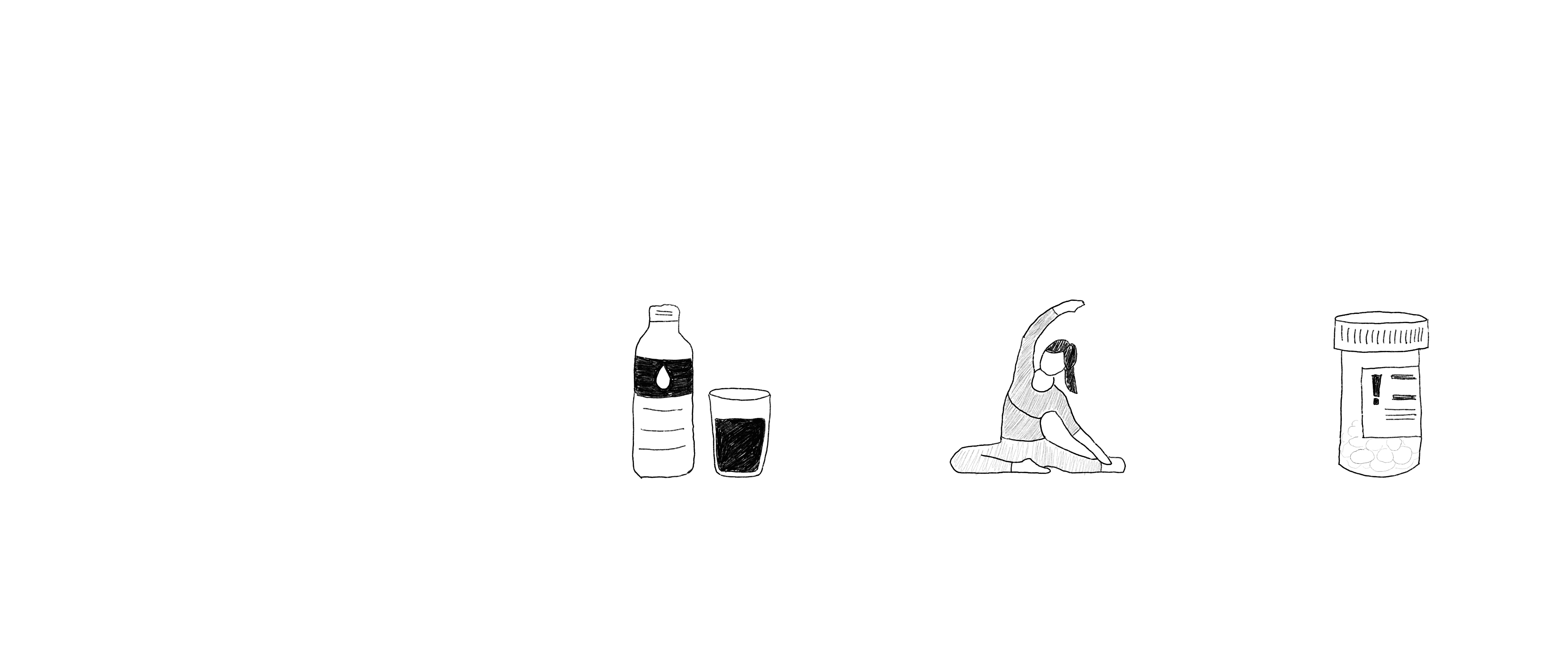
Stay hydrated.
Light stretching can help
Pack extra pain relief.
spacer
options 1
options 2
options 3
spacer
“But I heard that menstrual blood attracts bears!”
Wildlife concerns


The myth that menstrual blood attracts bears has been debunked. That said, any scented waste can attract curious animals, so store the used menstrual bag with your other scented items at night - in a bear canister, bear locker, or hung bear bag. When you get home, dispose of everything properly - don't leave it in a trailhead trash can if you can help it.
Finally, your hands probably aren’t as clean as you think. Make sure you are washing and sanitizing them regularly to avoid infection or contamination when handling your food.
spacer
part 2
spacer
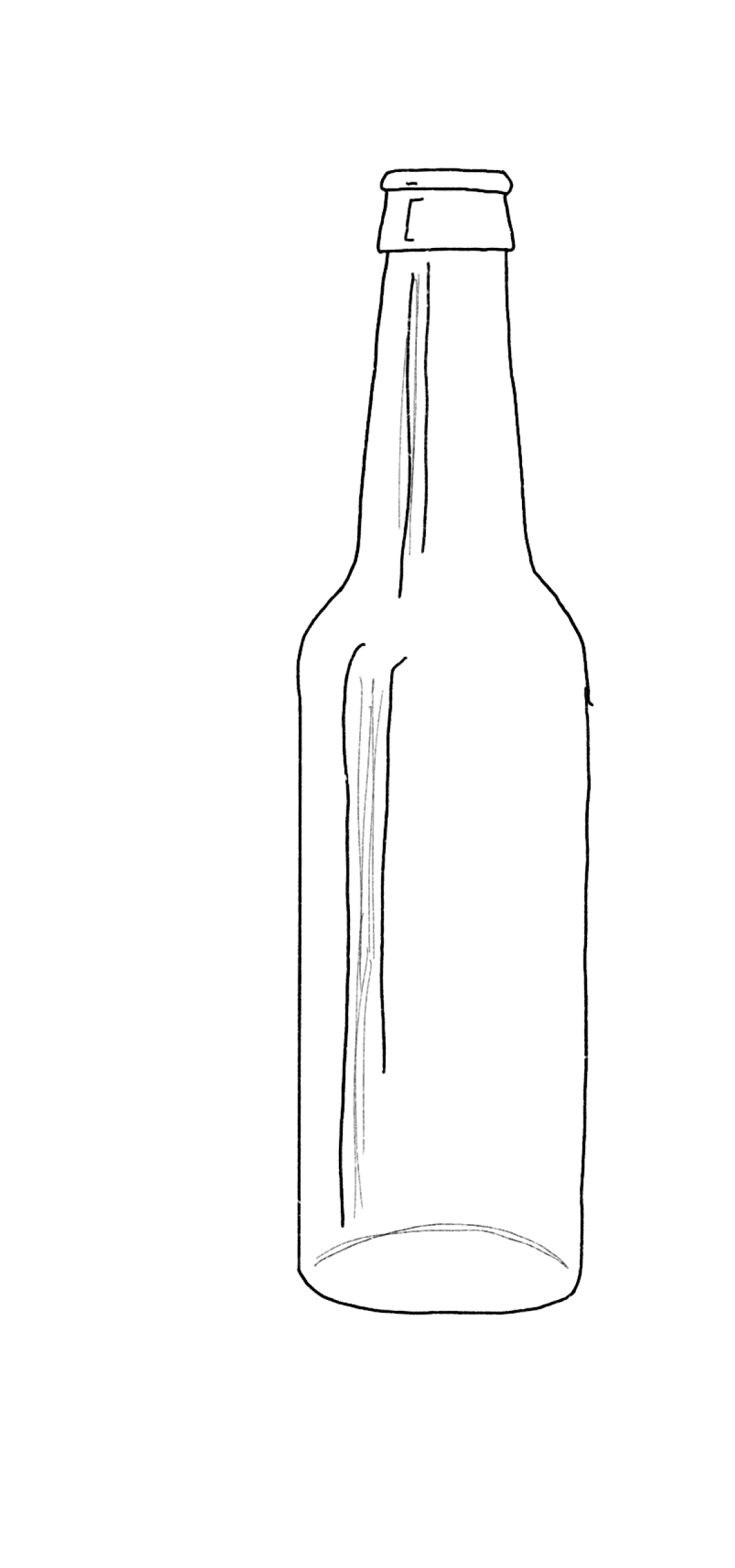
glass
bottles
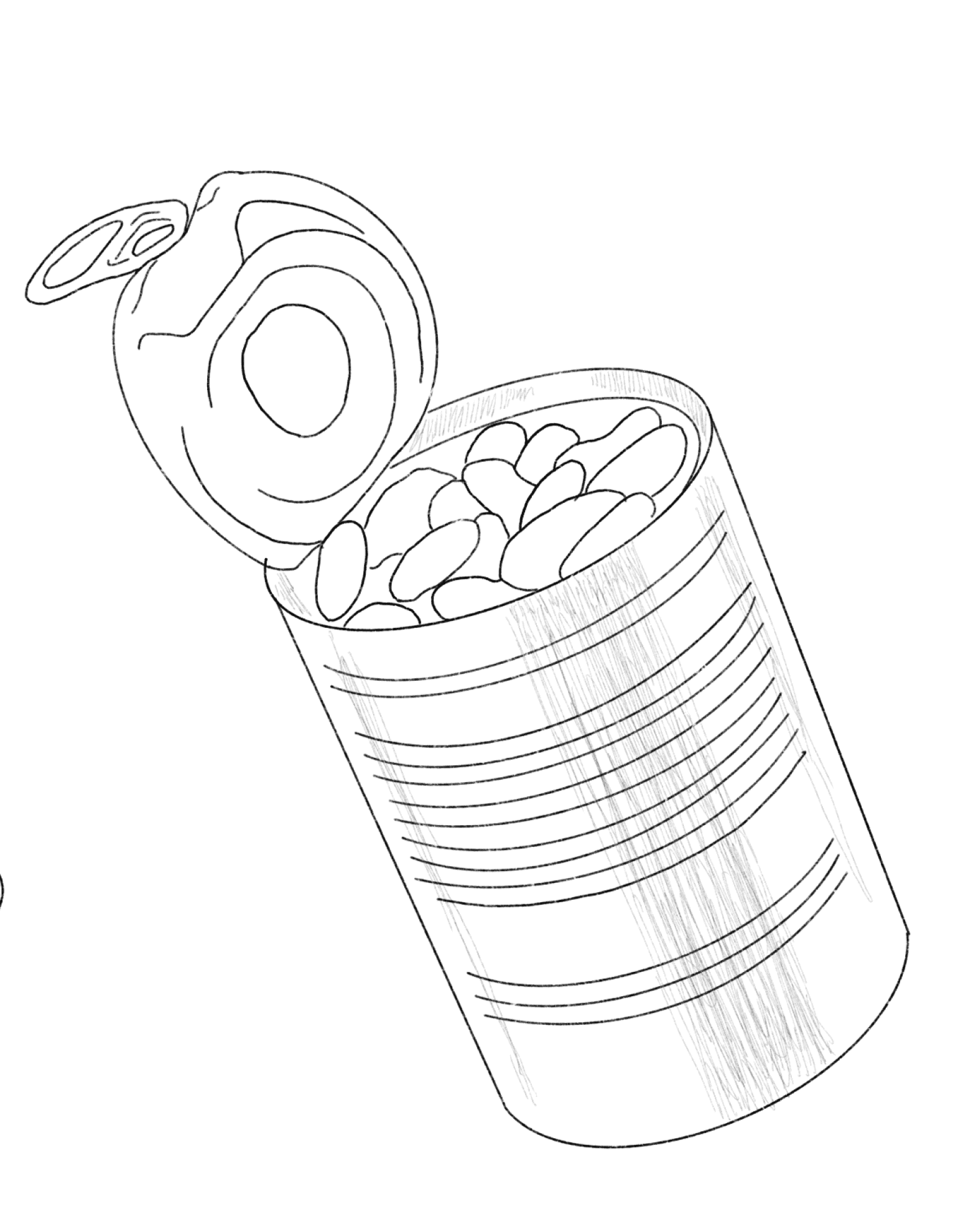
Tin
cans
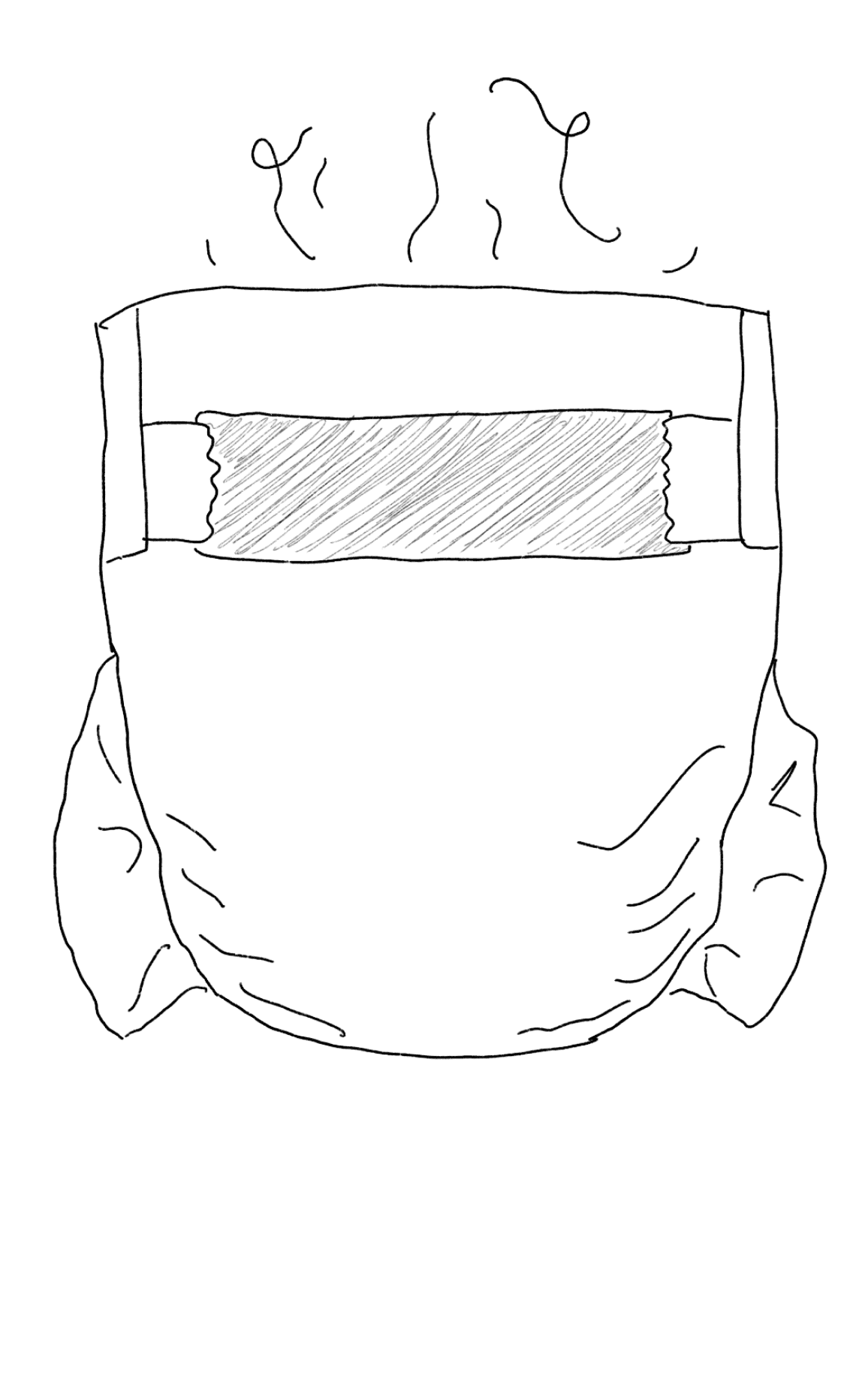
Dirty
diapers
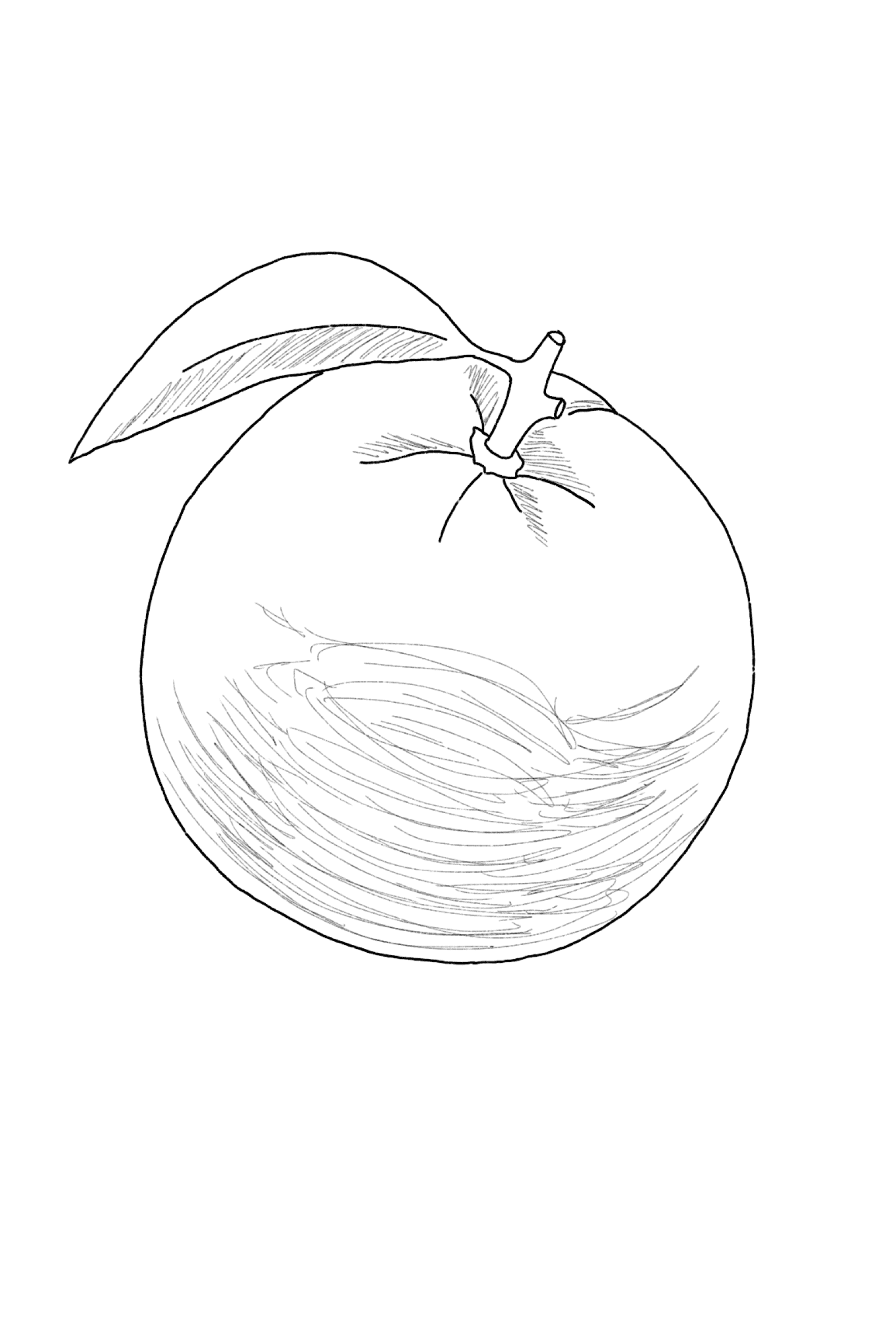
orange
Designate a trash pocket in your pack before you leave. Bring a small bag for food scraps and a separate one for hygiene waste. Carry a pair of lightweight gloves if handling other people's trash bothers you (it will).
Treat cleanup as part of the experience, not an afterthought. You're not just a visitor here — you're a steward.
That apple core you tossed? It'll outlast your memory of the trip.
Burning
Burning trash doesn't solve the problem. It releases toxins, damages soil, and leaves behind charred remnants that animals will still investigate.
Food scraps
Even biodegradable ones like fruit peels - take far longer to break down than you'd think. And while they're sitting there, they attract animals, alter feeding behavior, and teach wildlife to associate campsites with food.
2 years
mean harmless.
"Organic" doesn't
450 years
50 years
1 million years
spacer
text appear
spacer
scrolling
02
spacer
50 years
food scraps
450 years
burning
1 million years
last text