Leave No Trace is a set of minimum-impact guidelines developed in 1994 by the Leave No Trace Center for Outdoor Ethics to protect wilderness, access, and public lands.
The Leave No Trace principles are not just rules - they’re a mindset centered on respect: for the land, for wildlife, and for other people.
Chapter 05 - Leave no trace
Leave the
Land
better

section




When trails erode,
campsites spread,
waste piles up,
wildlife relies on human snacks
When trails erode,
campsites spread,
waste piles up,
wildlife relies on human snacks
When trails erode,
campsites spread,
waste piles up,
wildlife relies on human snacks
Why Leave No Trace matters
Wild places don't belong to any of us - they belong to all of us. And honestly? That access is a privilege, not a guarantee.
spacer
01
02
spacer
03
spacer
04
spacer
05

Why Leave No Trace matters
Leave No Trace isn't about following rules because someone told you to. It's about showing respect: for the land, for the animals who actually live there, and for the people who'll visit after you.
Every trip leaves a mark. The goal is to make yours as light as possible.

spcaer
01
spcaer
spcaer
01
spcaer
These aren't arbitrary. They're based on decades of research into how human impact actually affects ecosystems. Think of them as the group project rules — except the group is everyone who ever wants to camp here.







1. Plan Ahead and Prepare
Proper planning protects you and the environment. Know the regulations, expected conditions, and skills required for your trip. Prepare for extreme weather and emergencies. Schedule trips to avoid peak use. Repackage food to minimize waste. Use maps and GPS to avoid cairns or marking trails.
Why it matters: Poor planning leads to resource damage, unsafe situations, and a degraded experience for everyone.
spcaer
01
spcaer
02
spcaer
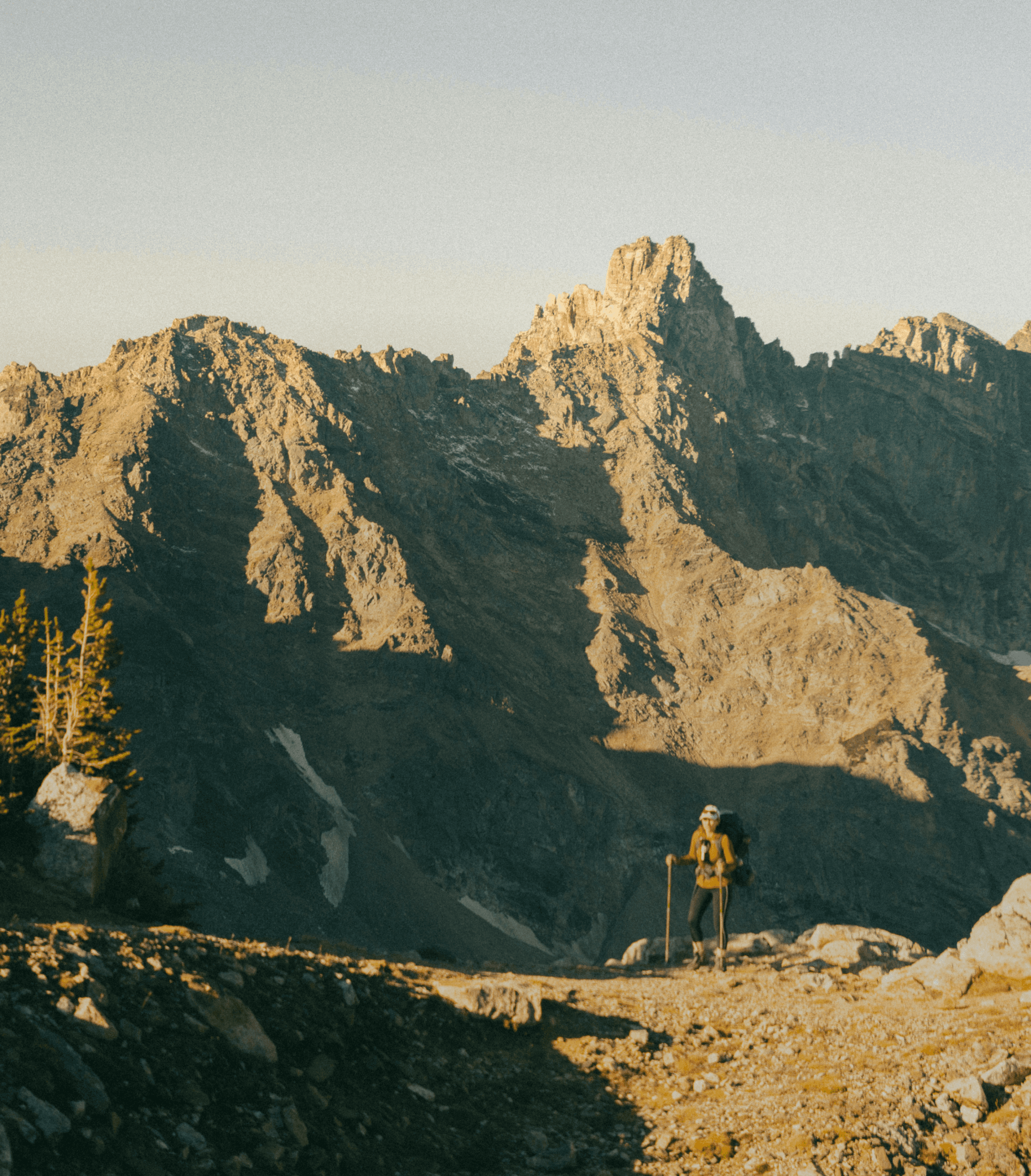
The rule
Use durable surfaces
established
campsites,

trails,
rock,
gravel,
dry grass,
or snow.
like
spcaer
spacer
scroll
text 1
like
campsites
trails
rock
gravel
dry grass
snow
line