The way you set up camp shapes the night ahead.
A thoughtful setup keeps you warmer, drier, and more at ease. It also protects the place you're visiting. This is about choosing the right spot, building a functional shelter, and letting your body settle in.
Chapter 07 - Setting up camp
Make
your own
camp

section
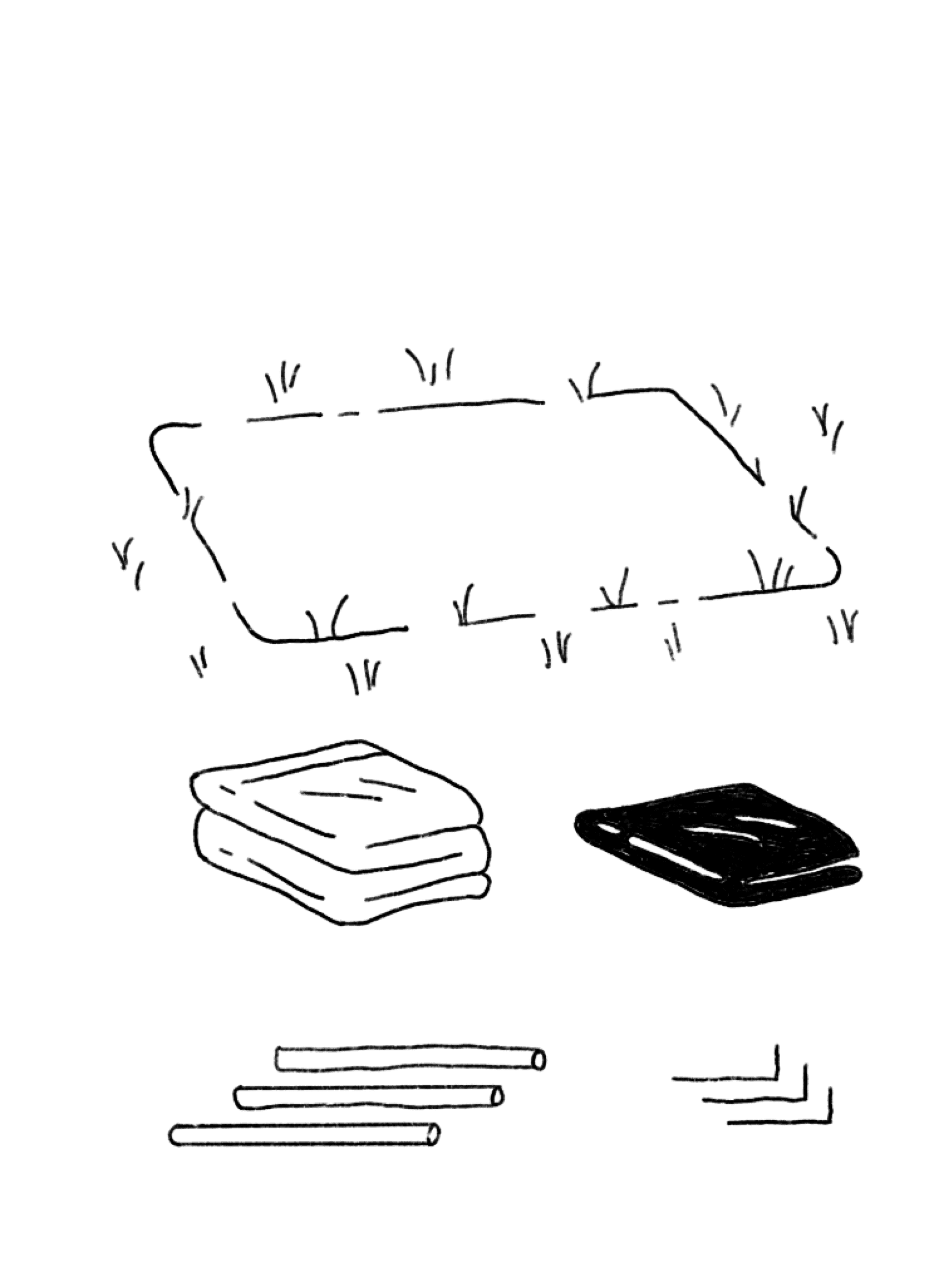
1
Pick your spot and clear the ground
tent
Poles
footprint
stakes
2
Lay out the footprint and connect poles
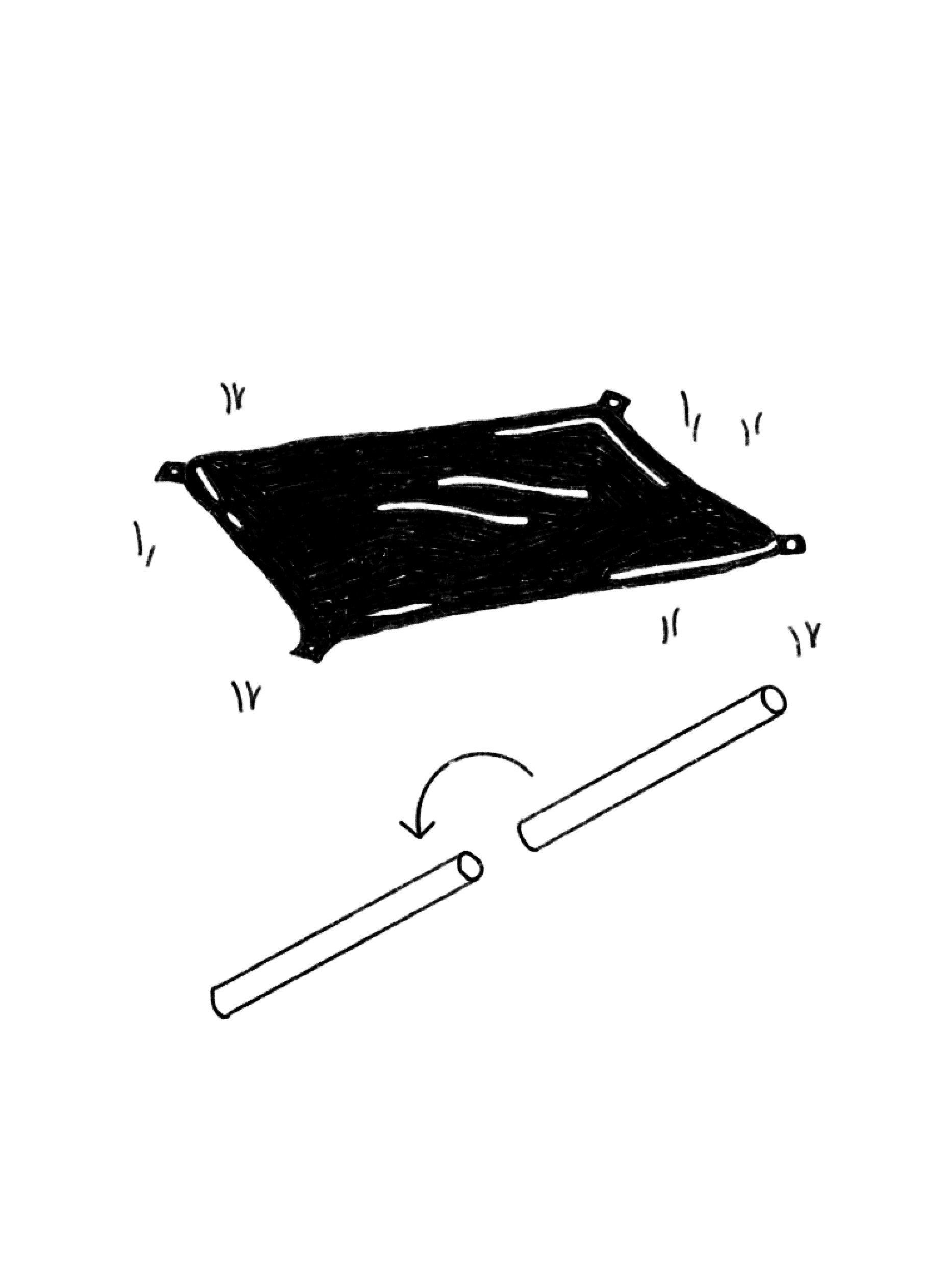
snap
together
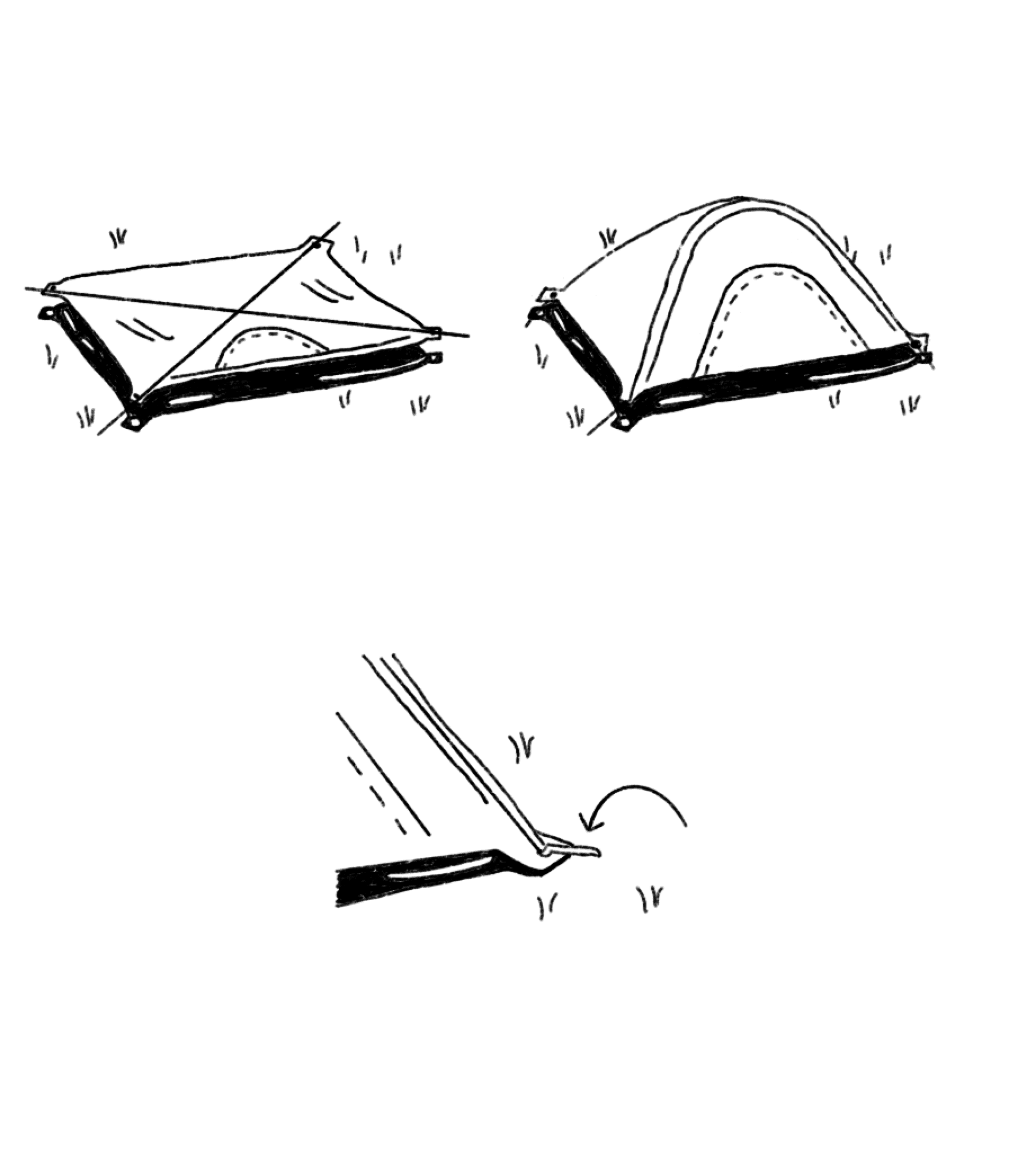
stake all 4 corners
3
Set up tent body and stake down
Set up your tent
A guide on how to:
spacer
set up
spacer
step1 tent
step2 tent
step3 tent
spacer
Your sleeping system (and how to not freeze)
Your sleeping system is a team effort
tent,
sleeping bag or quilt,
sleeping pad,
and the clothes you wear.
spcaer
01
spcaer
spcaer
01
spcaer
Your sleeping pad is just as important as your sleeping bag because it prevents heat loss to the ground.
For your sleeping bag, you’ll want to choose one rated for the coldest temps you'll encounter, but in doubt, pick a three-season rating ( 15–40°F).
Additionally, Eat well and stay hydrated during the day and eat a small, high-fat snack before bed (gives your body fuel to generate heat).
Pee before sleeping (your body wastes energy keeping a full bladder warm). Your sleeping bag doesn't create warmth, it traps your body heat.
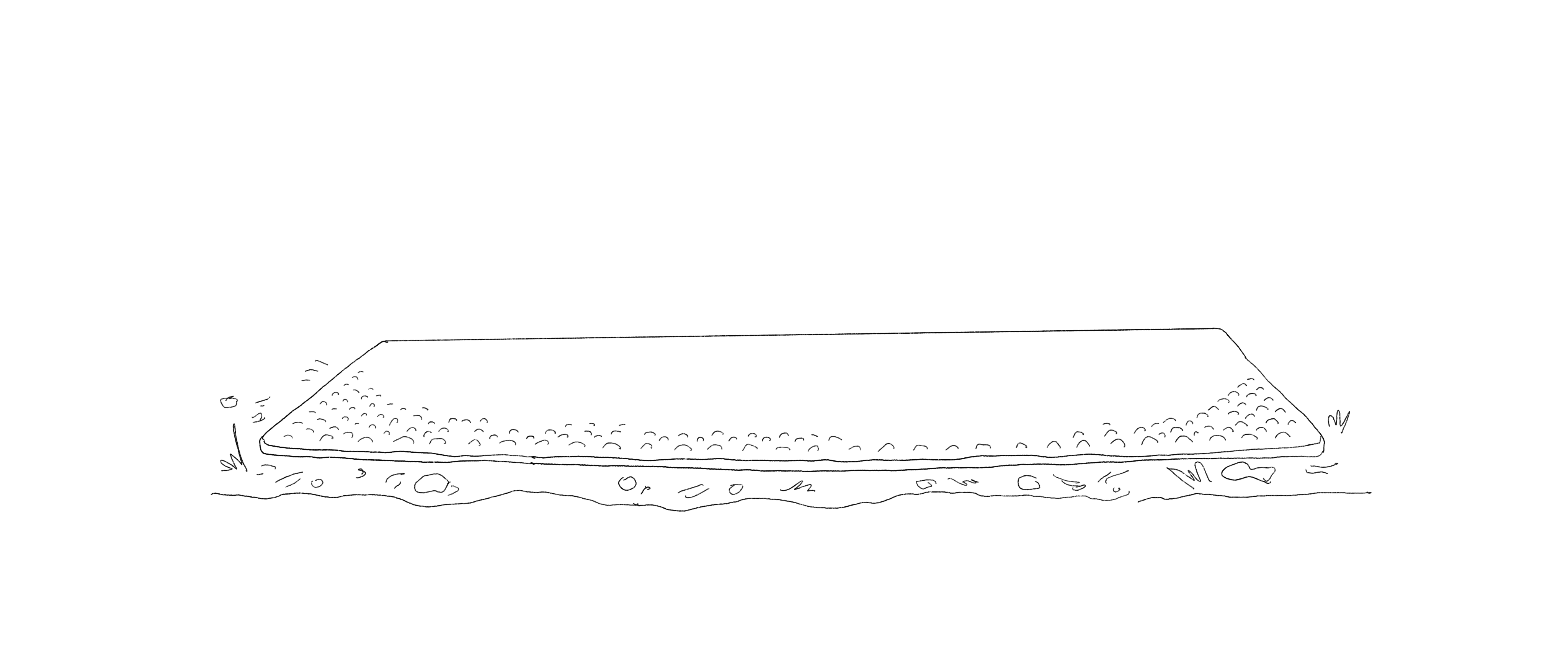
The R-value of a pad is equal to its’ warmth (higher number = warmer).
R 2-4 is perfect for 3-season camping
There are air pads, closed-cell foam, and self-inflating
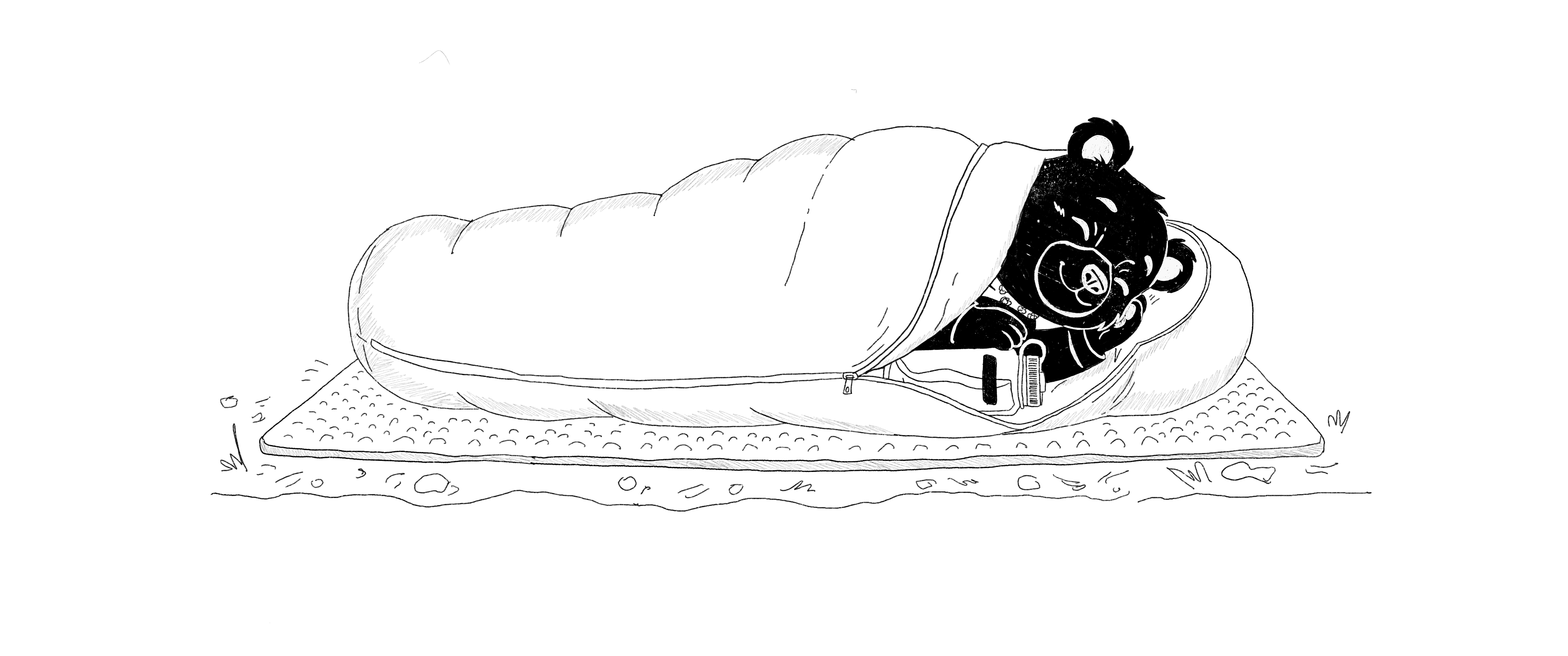
Tip: Use the Comfort rating, not the Lower Limit as women typically generate less body heat than men.
How to stay warm at night
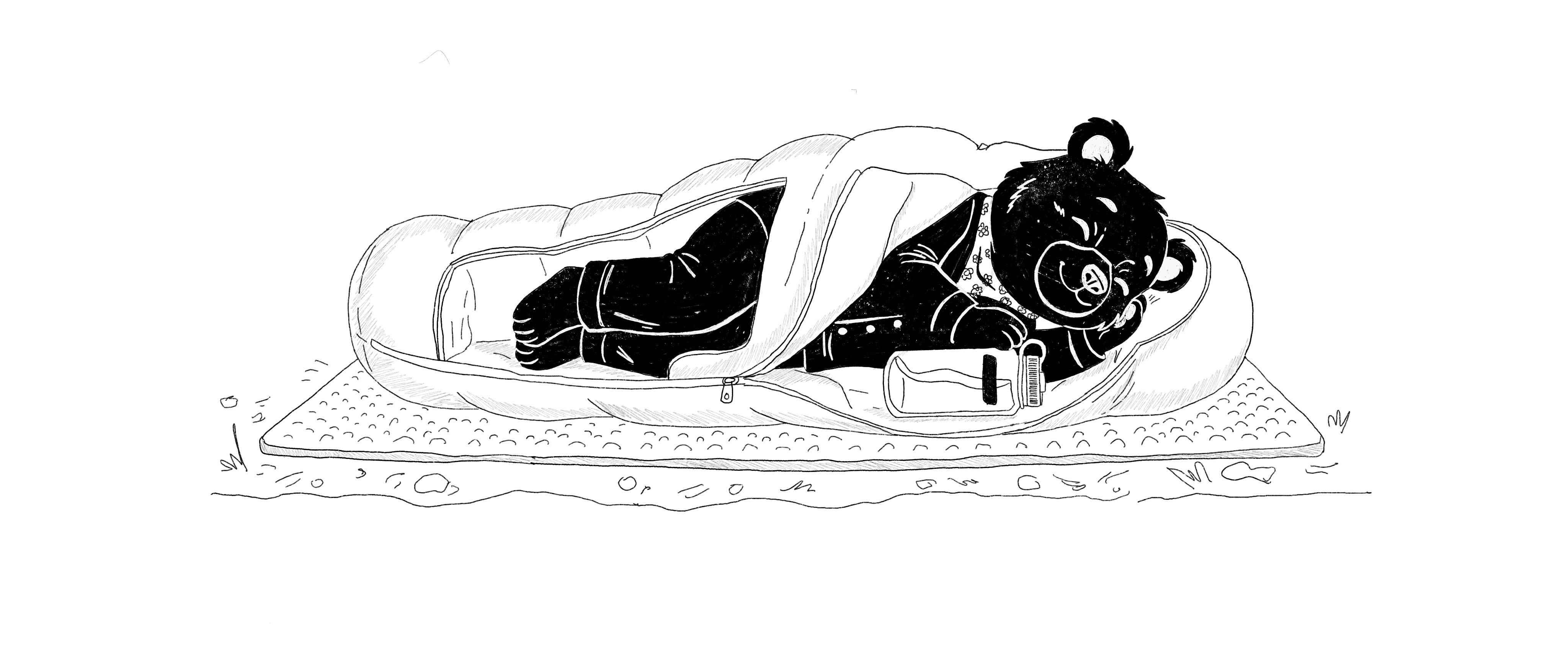
Add a leakproof hot water bottle in your sleeping bag if you run cold
Wear dry layers to bed (socks, hat, base layer)
Fully inflate your pad
spcaer
APPEAR
spcaer
r-value
spcaer
step 2
spcaer
step 2.2
spcaer
step 3
spcaer
step 4
spcaer
step 4.1
spcaer
step 4.2
spcaer
step 4.3
spcaer






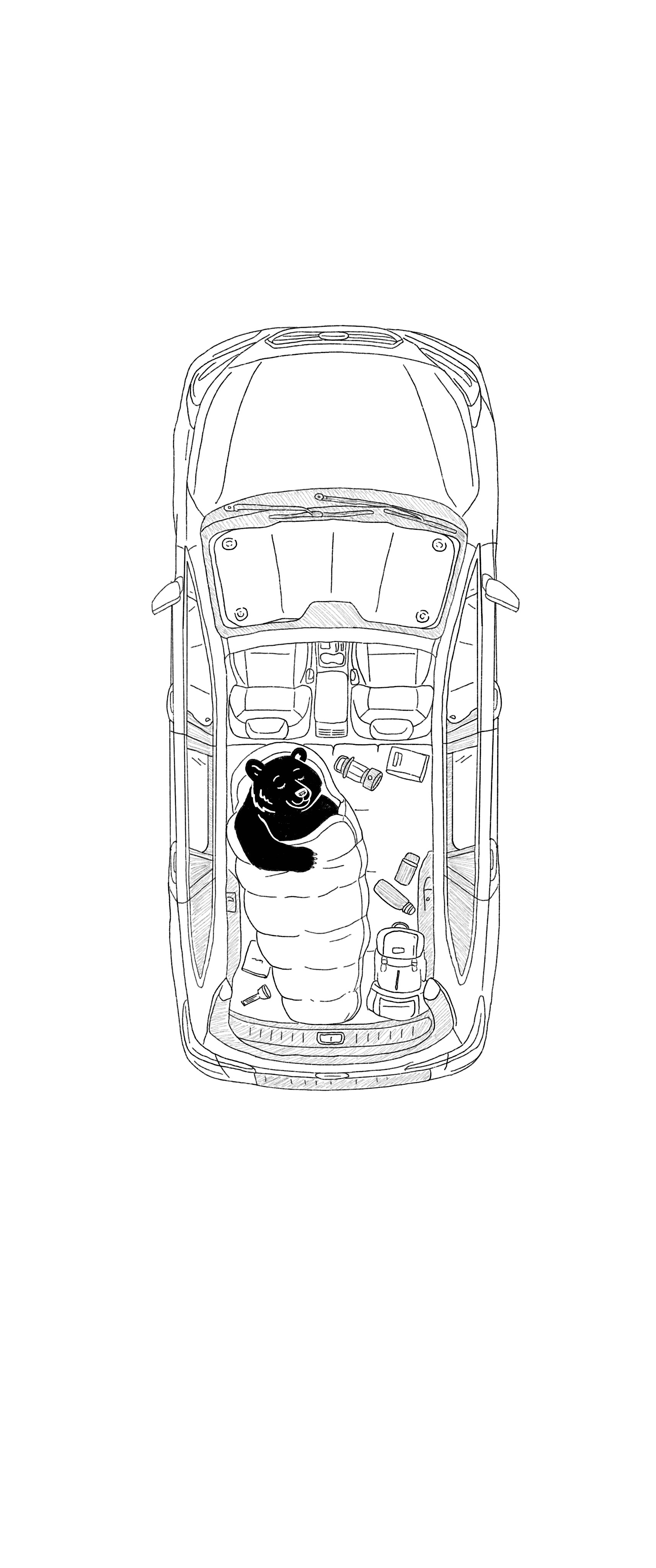
The basics:
Car camping sleep setup
Sleep with your head toward the front of the car (more elbow room, better angle if parked on a slope)
01
Crack a window for ventilation (prevents fog and moisture buildup)
02
Use window shades or curtains for privacy
03
Why ventilation matters: Breathing all night in a sealed car creates condensation everywhere. A small gap (too small for animals or people to enter) keeps air moving. Also make sure that you park considerately and know what permits you need.
spcaer
APPEAR
spcaer
01.
spcaer
02.
spcaer
03.
spcaer
last text
spcaer
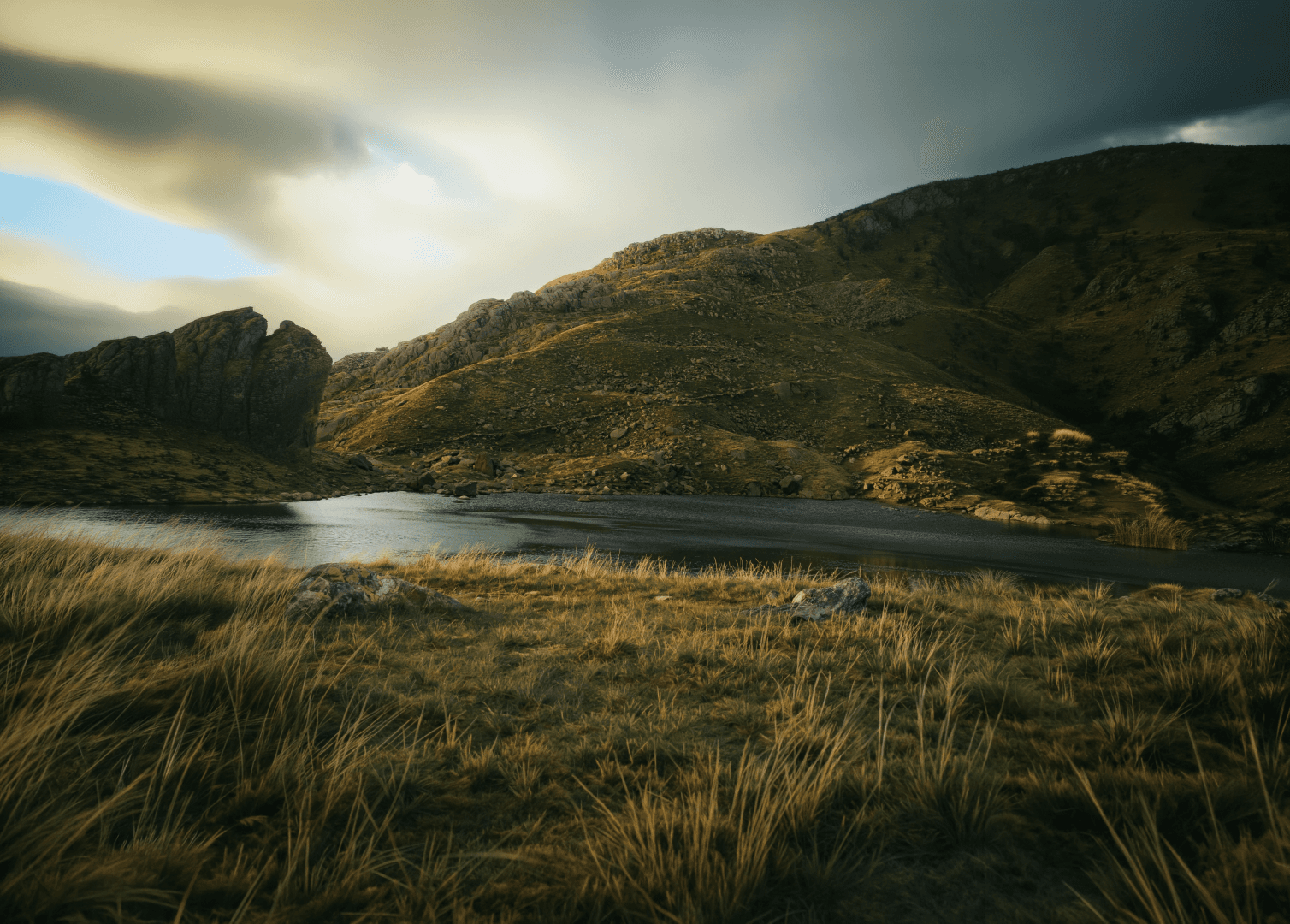
Sounds are louder.
Sleep comes in waves.
Your body is adjusting to new temperatures, surfaces, and rhythms.
Sounds are louder.
Sleep comes in waves.
Your body is adjusting to new temperatures, surfaces, and rhythms.
That’s normal.
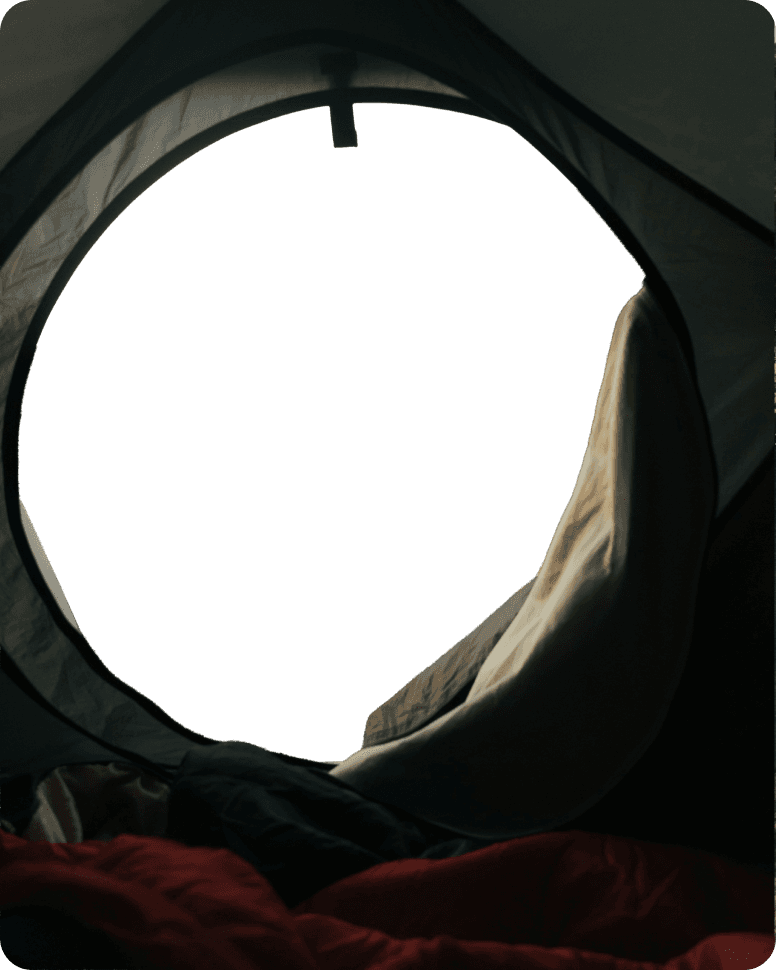
The first night outdoors often feels different.
Sounds are louder.
Sleep comes in waves.
Your body is adjusting to new temperatures, surfaces, and rhythms.
That’s normal.
spcaer
text 1
spcaer
text 2
transition
layer one
spcaer
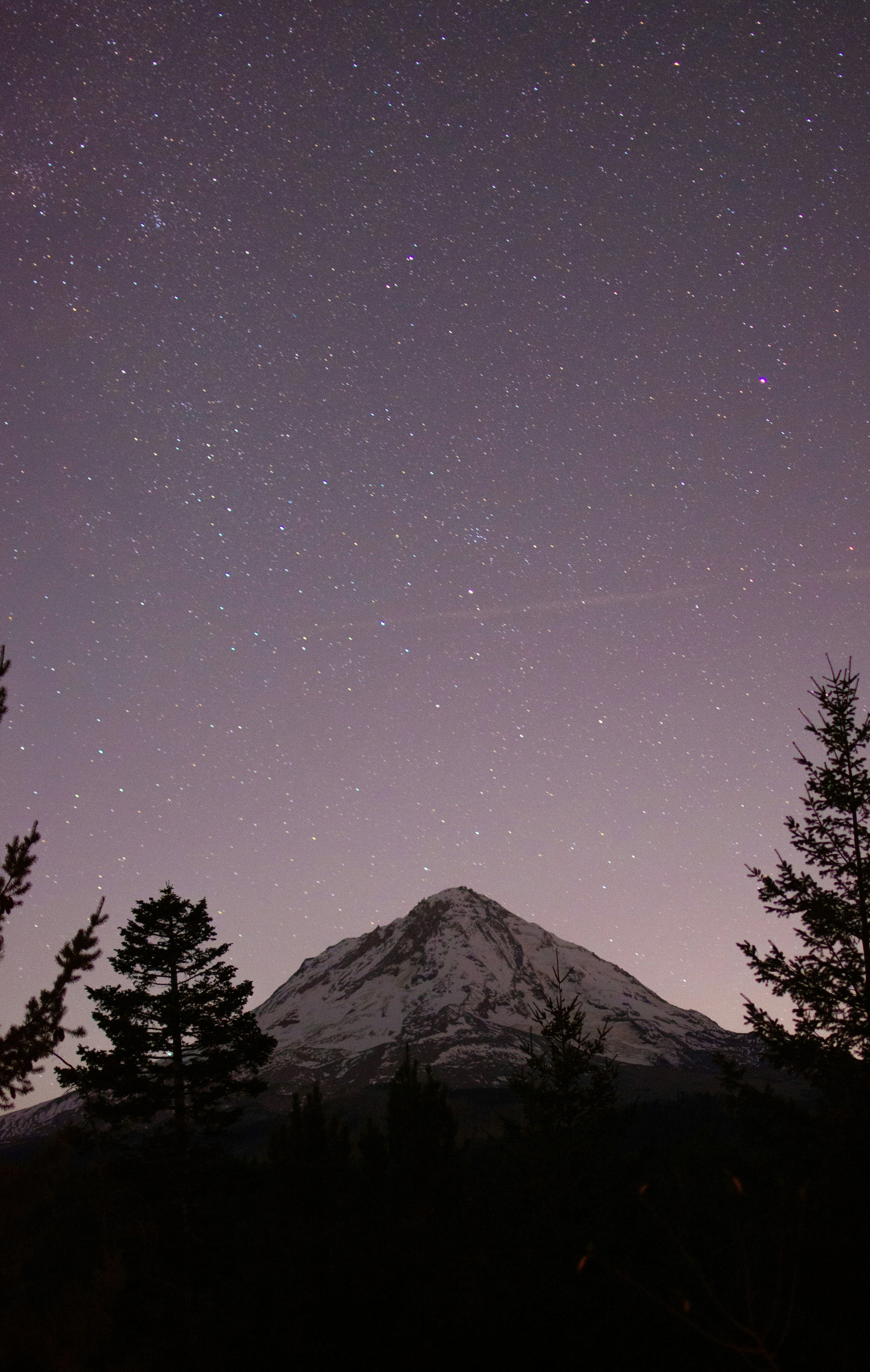
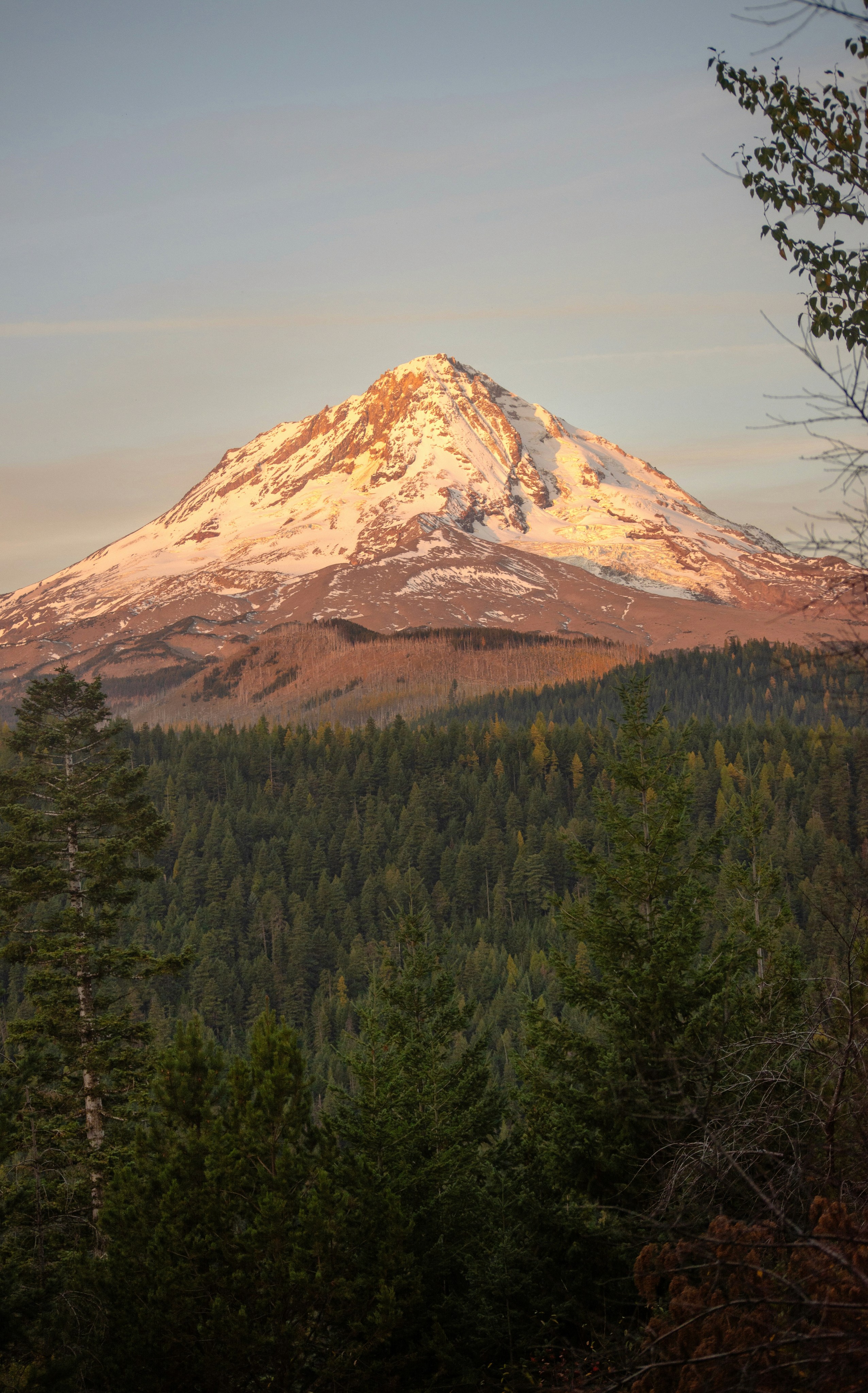
While nights alone can be scary,
there is an unexpected beauty that comes when the sun goes down in nature.

spcaer
step 1
step 2
step 3
spcaer



anything that will calm you in moments of heightened feelings.
bracelet string
or something to do with your hands,
a book,
A well-chosen campsite, a solid shelter, and a warm sleeping system help your nervous system settle. Bring what comforts you; its worth the weight.
Your stuffed bear,
spcaer
text 1 appear
spcaer
stuffed bear
spcaer
a book
spcaer
bracelet string
spcaer
lastly
spcaer
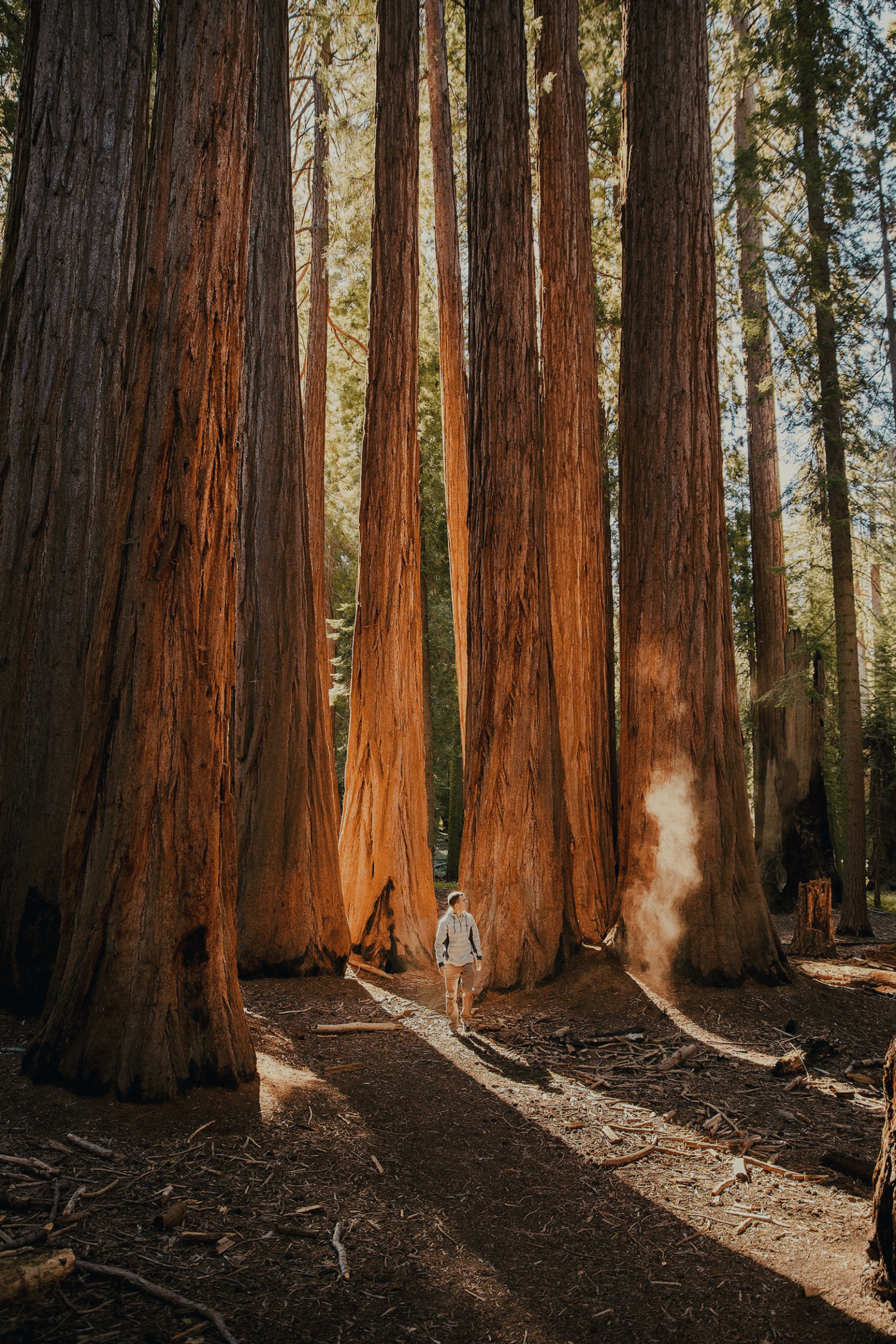
Confidence comes from

& that you can respond
feeling prepared for
the conditions,

if something feels off.
spcaer
slide 1
slide 2
slide 3
It's okay if the first night isn't perfect. Comfort improves quickly.
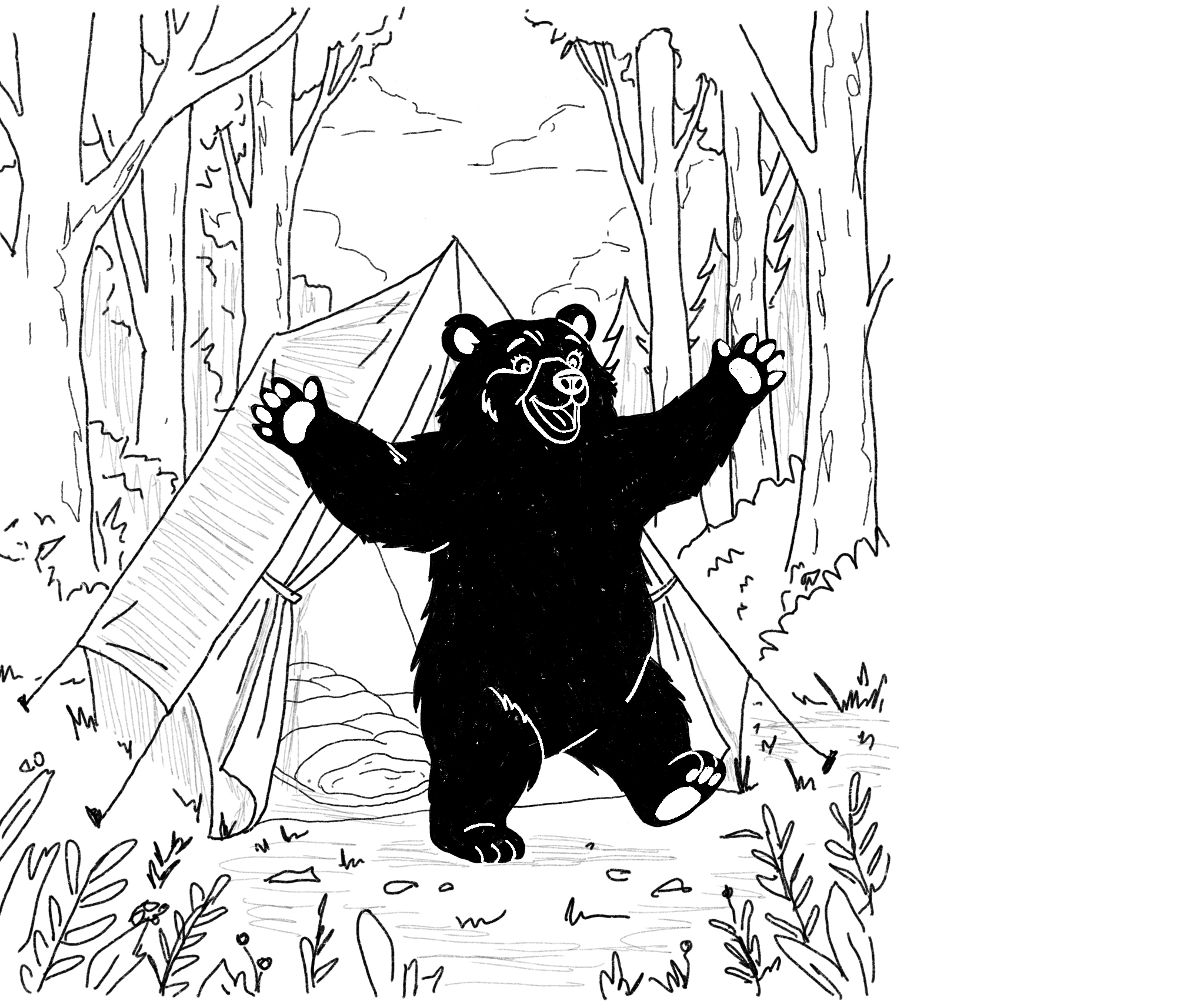
By morning, most people wake up feeling more capable than they expected.
spcaer
slide 1
spcaer
slide 2
spcaer