Staying safe outdoors isn’t about fear or worst-case thinking. It’s about preparation, judgment, and knowing when to adjust. The goal isn’t to control every variable — it’s to be calm, realistic, and honest with yourself when conditions change.
Chapter 04 - physical safety
Protect yourself
& know where
you are
section
Before you leave do your homework.
build your decision-making confidence
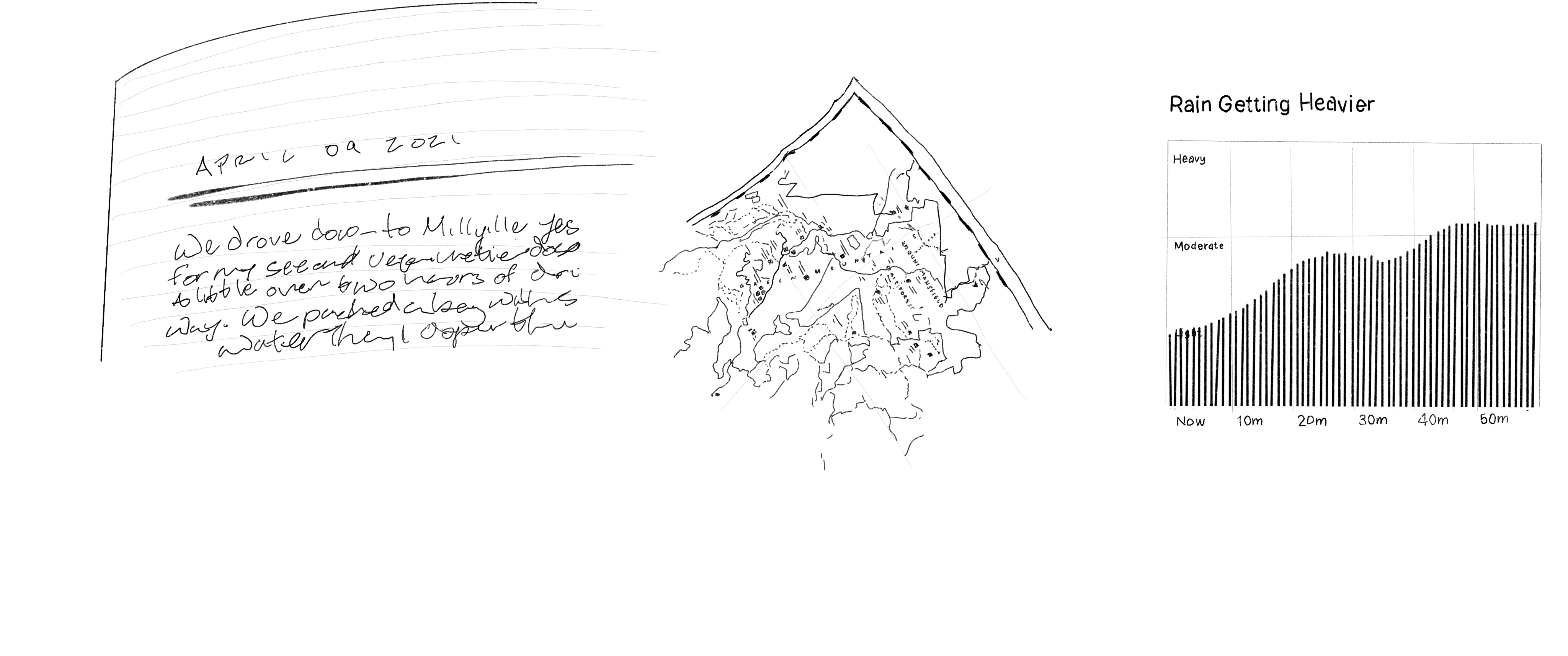
Check the weather
Adjust your packing list and emergency plans accordingly.
Plan for every scenario
These include: uncomfortable interactions, getting lost, encountering wildlife, or injury.
Research your location
Check recent trail reports or campground reviews.
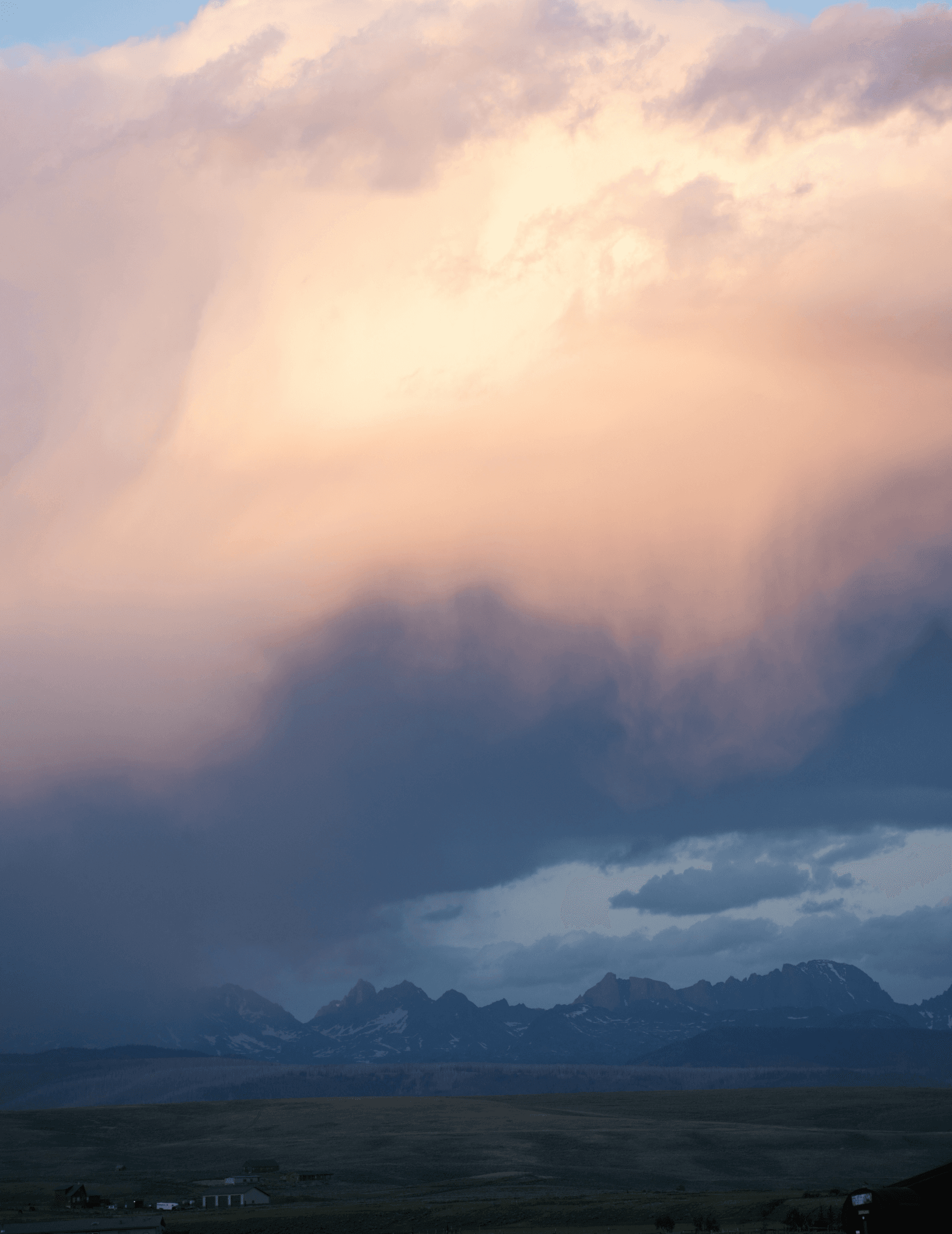
Knowledge isn't just power
it's confidence.
The more you know going in, the calmer you'll stay when something unexpected happens. Stay positive, stay realistic, stay honest with yourself. Confidence is good. Overconfidence gets people hurt.
spacer
01
spacer
03
spacer
last
spacer

"Conditions changed, I'm adapting"
Plan B: Fact Driven
"I planned this, I'm doing it"
Plan A: Emotion Driven
Every decision you make should prioritize safety over sticking to your original plan.
Weather looks bad... what do you do?"
Emotion-driven decisions are the ones that lead to trouble. Fact-driven decisions keep you safe.
spacer
transition in
plan a
plan a quote
plan a quote move
plan a move
plan B
plan B quote
plan B quote move
plan b move
spacer
FINAL MOVE
spacer
and that's the whole point.
You will never face the same situation twice. Every trip teaches you something new about the environment - and about yourself.
spacer
01
spacer

Heading to Devil's Lake, site 23.
Arriving Fri 3pm, leaving Sun noon.
Call SAR if no word by 6pm Sun.
Share your exact location and your route,
Trust your gut. Every single time
Physical safety: always have a plan
Tell someone your plan. Always.
Bring a communication backup. Know whether you'll have cell service.
Don't broadcast your location online. Post your photos after you're home, not while you're still out there.
spacer
01
spacer
First-Aid Training
is Important.
Basic first aid and CPR training is a great place to start and covers most situations. Organizations like the American Red Cross offer widely available courses.
Link to American red cross

01
Click on one to learn more
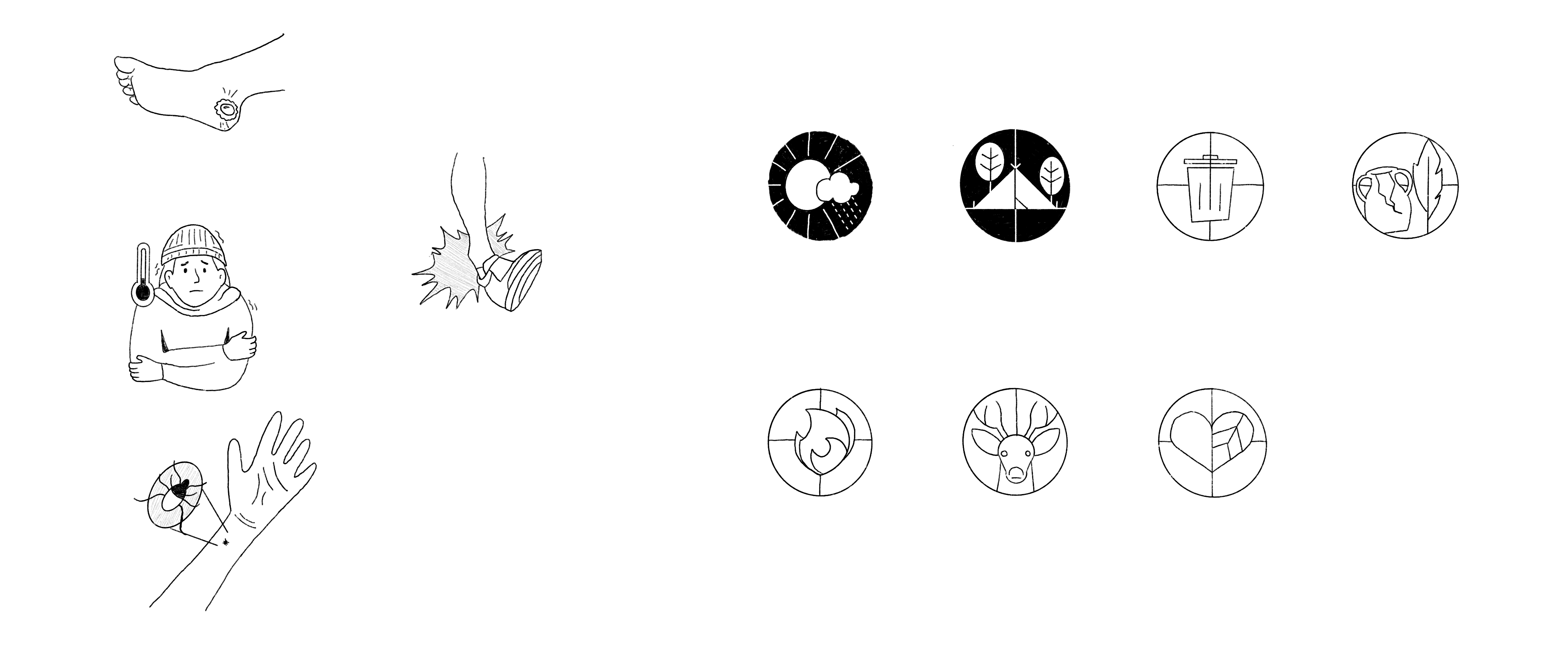
Blisters
Dehydration

Sprains
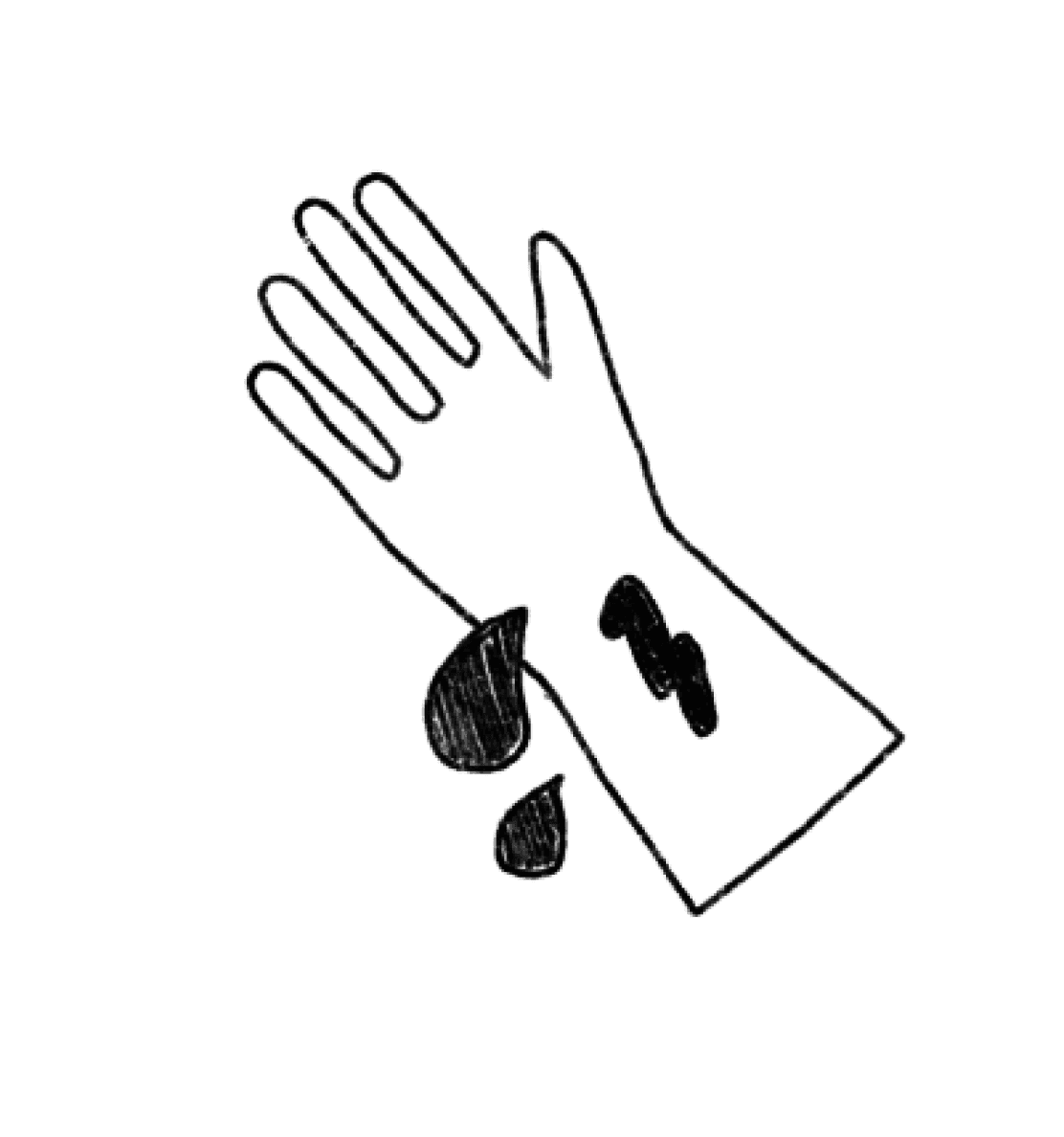
Cuts & Scrapes
Hypothermia
Insect Bites
A few common
issues to be aware of...
01
Hover to learn more

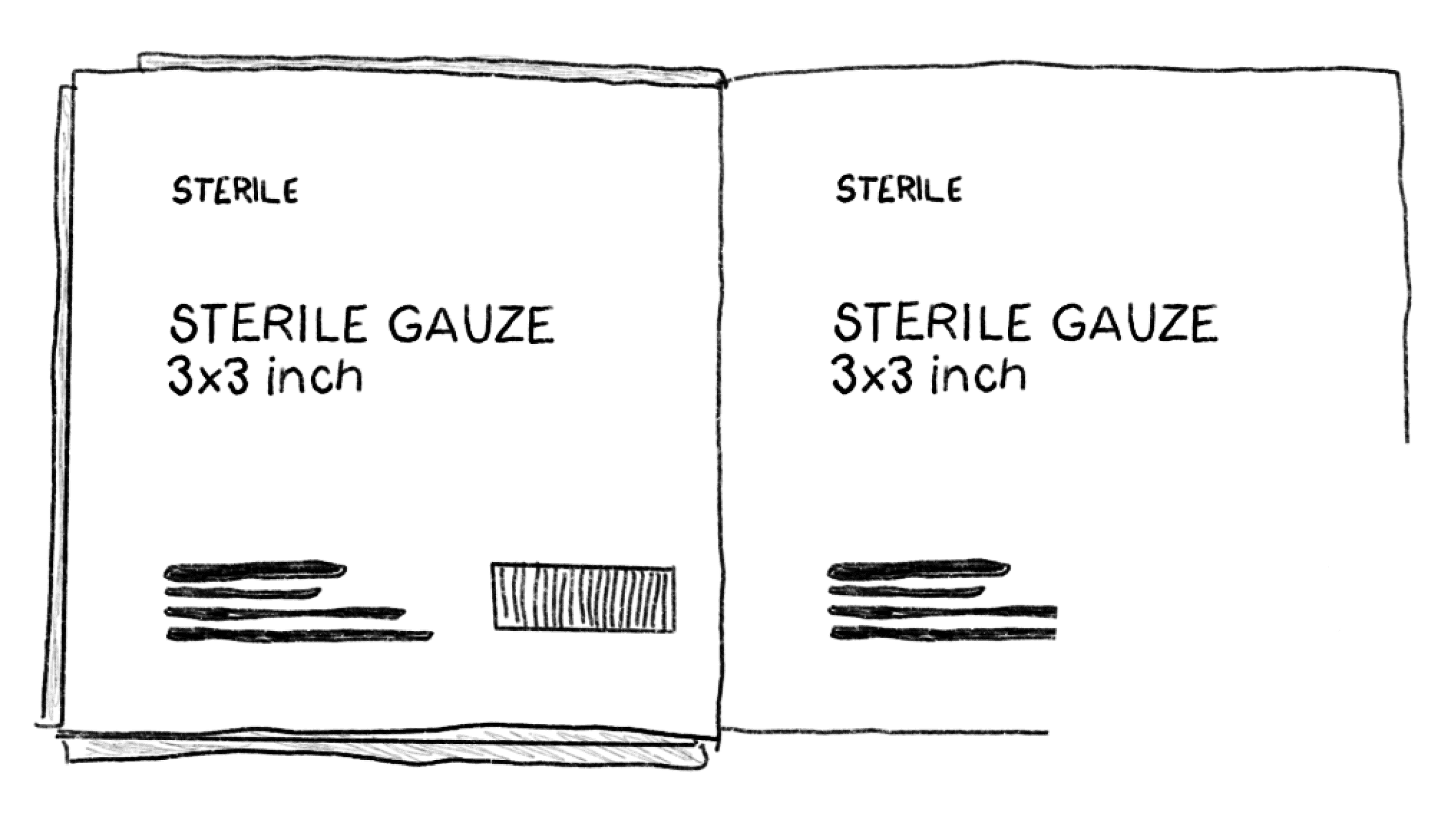


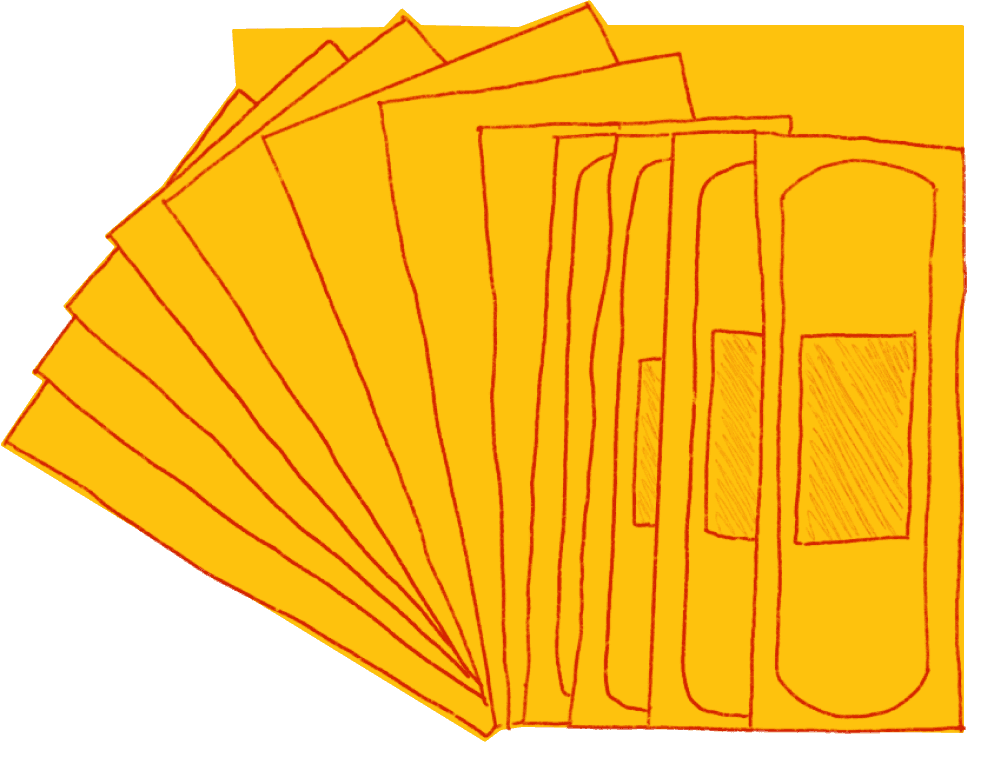




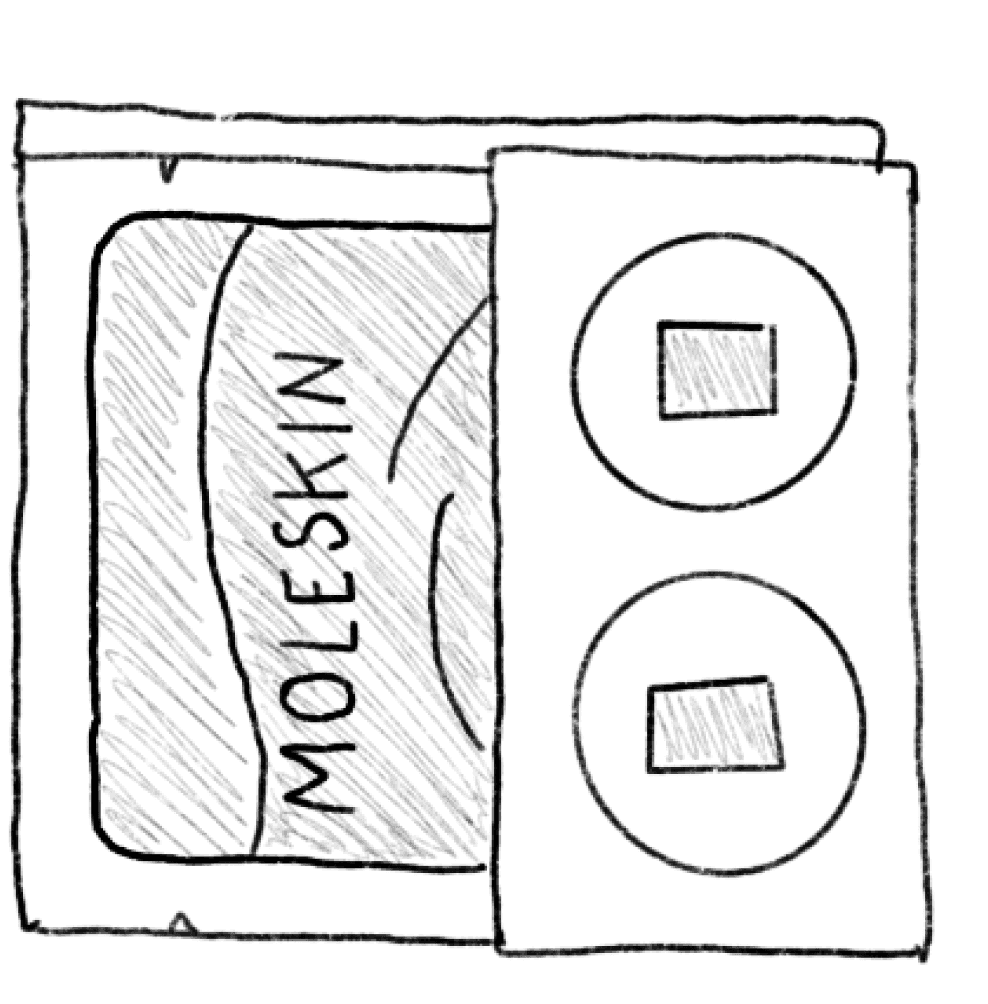
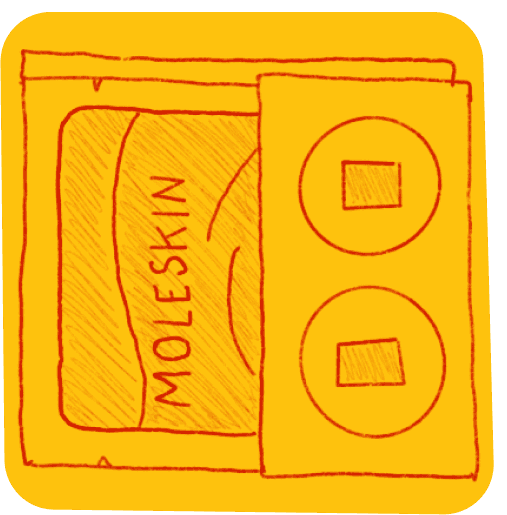
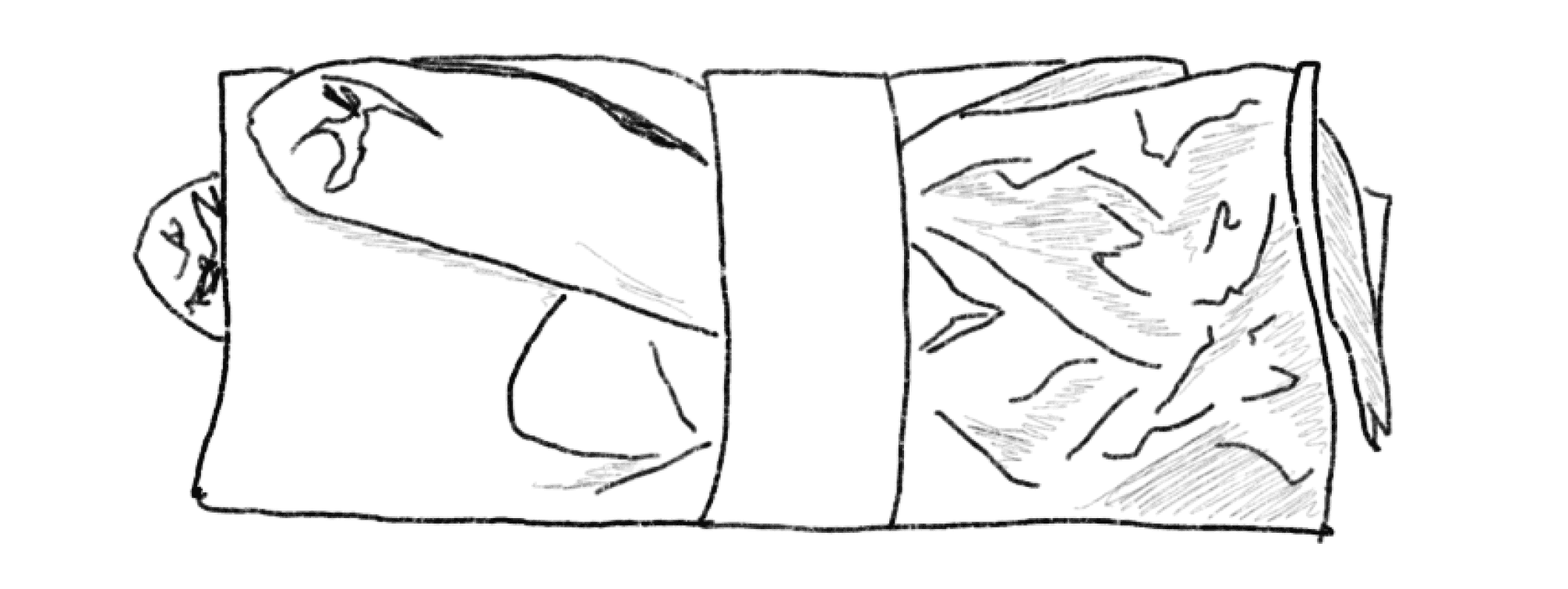
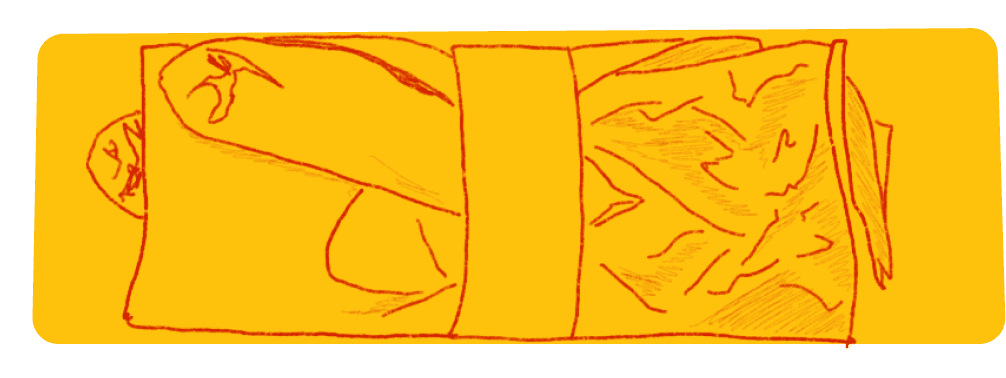


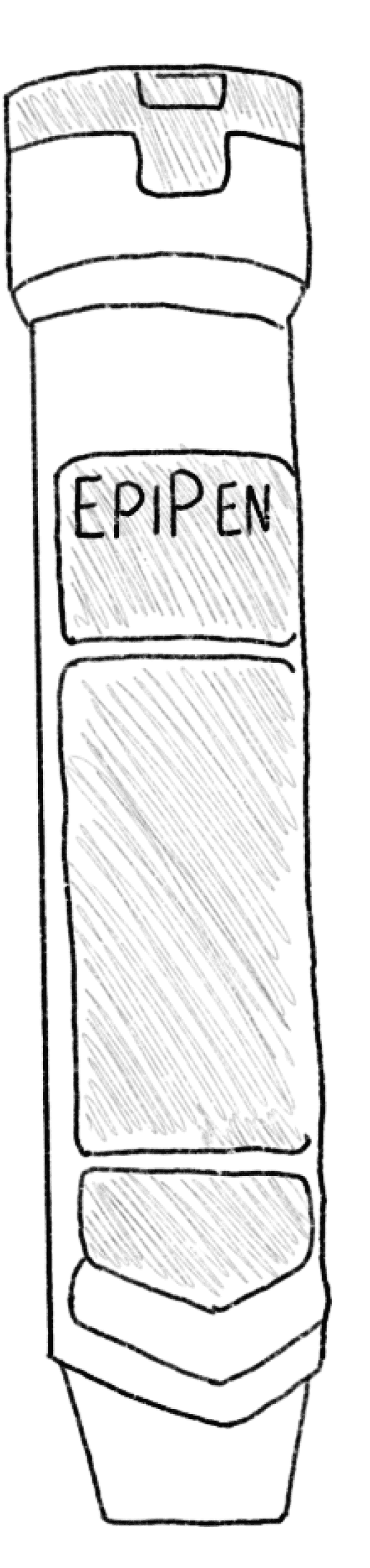
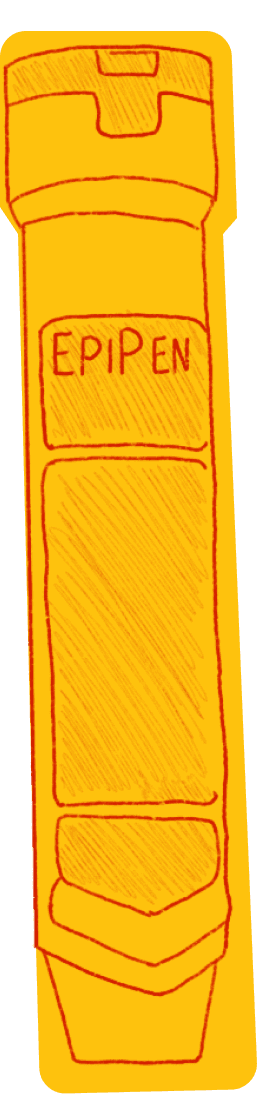
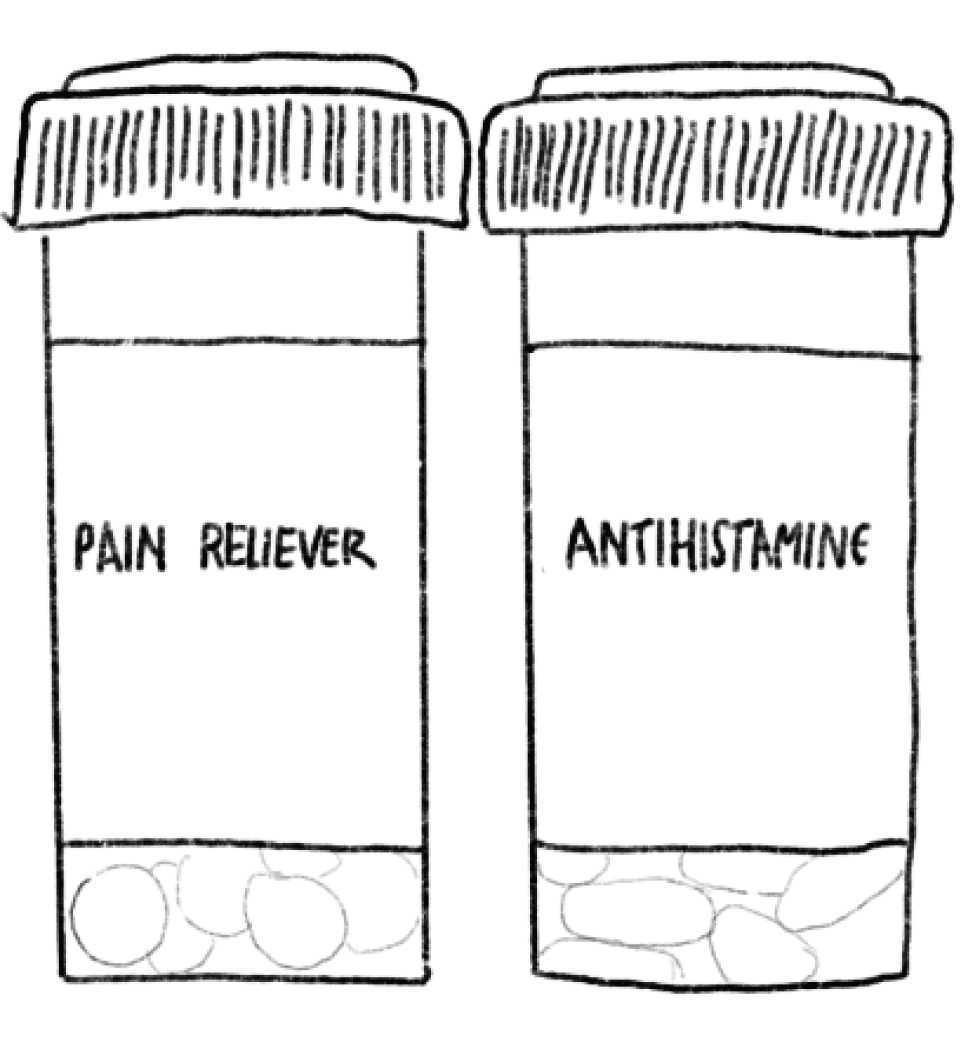
A first aid kit is only useful if you know how to use it. Don't let having one give you false confidence.
What to pack:
text appear
spacer
text move
image appear
spacer
zoom in
spacer
Vehicle safety
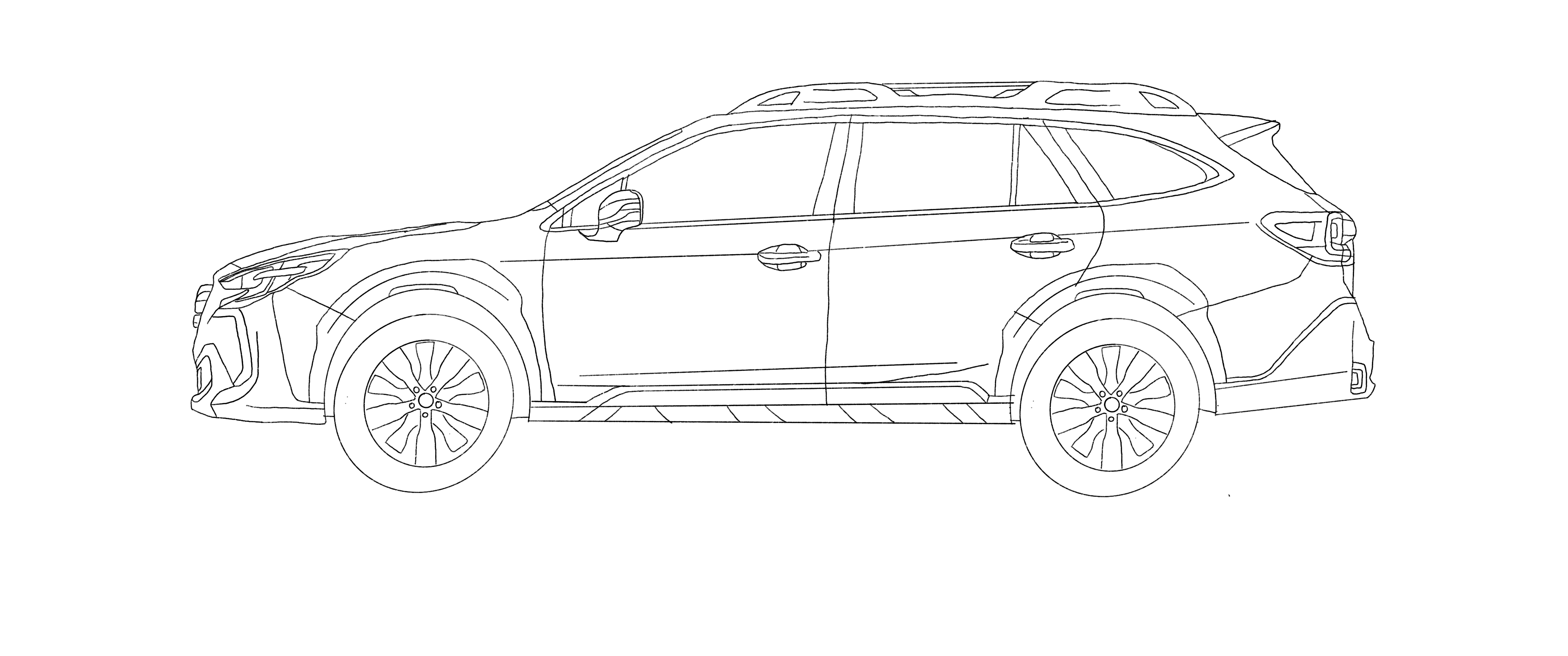
Vehicle preparation is part of staying safe.
You don’t need to be a mechanic but you should know how to handle basic car issues like flat tires and dead batteries. Relying on others for vehicle safety can leave you vulnerable in remote locations.

spcaer
01
spcaer

Before you leave home:
Check your engine oil, antifreeze, and windshield wiper fluid fluids. Keep extra in your car in case you start to get low.
Check your tires: pressure, tread depth, visible damage. Inflate if needed (most gas stations have free air).
Fill your gas tank. Keep it above ⅓ to ½ full at all times - especially on remote roads.
spcaer
car move one
car move two
car move three
spcaer
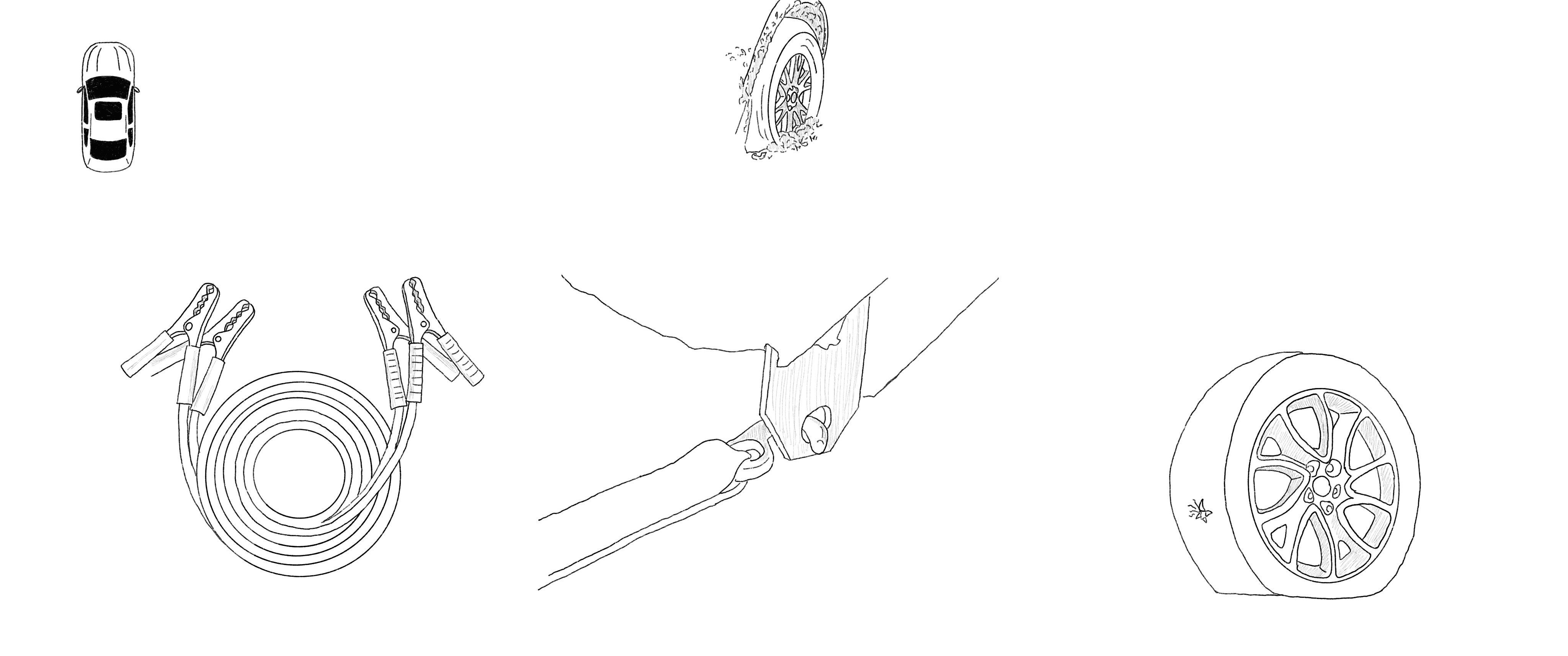
Attach a tow strap
If you don’t know how to use something, learn before you go. Ask a friend, visit a mechanic, or use online resources.
Get your car unstuck from mud or snow
Change a tire
Use jumper cables
Make sure you can:
spcaer
car move one
car move two
car move two
car move three
car move two
car move three
car move two
car move three
car move two
spcaer
car move two
spcaer
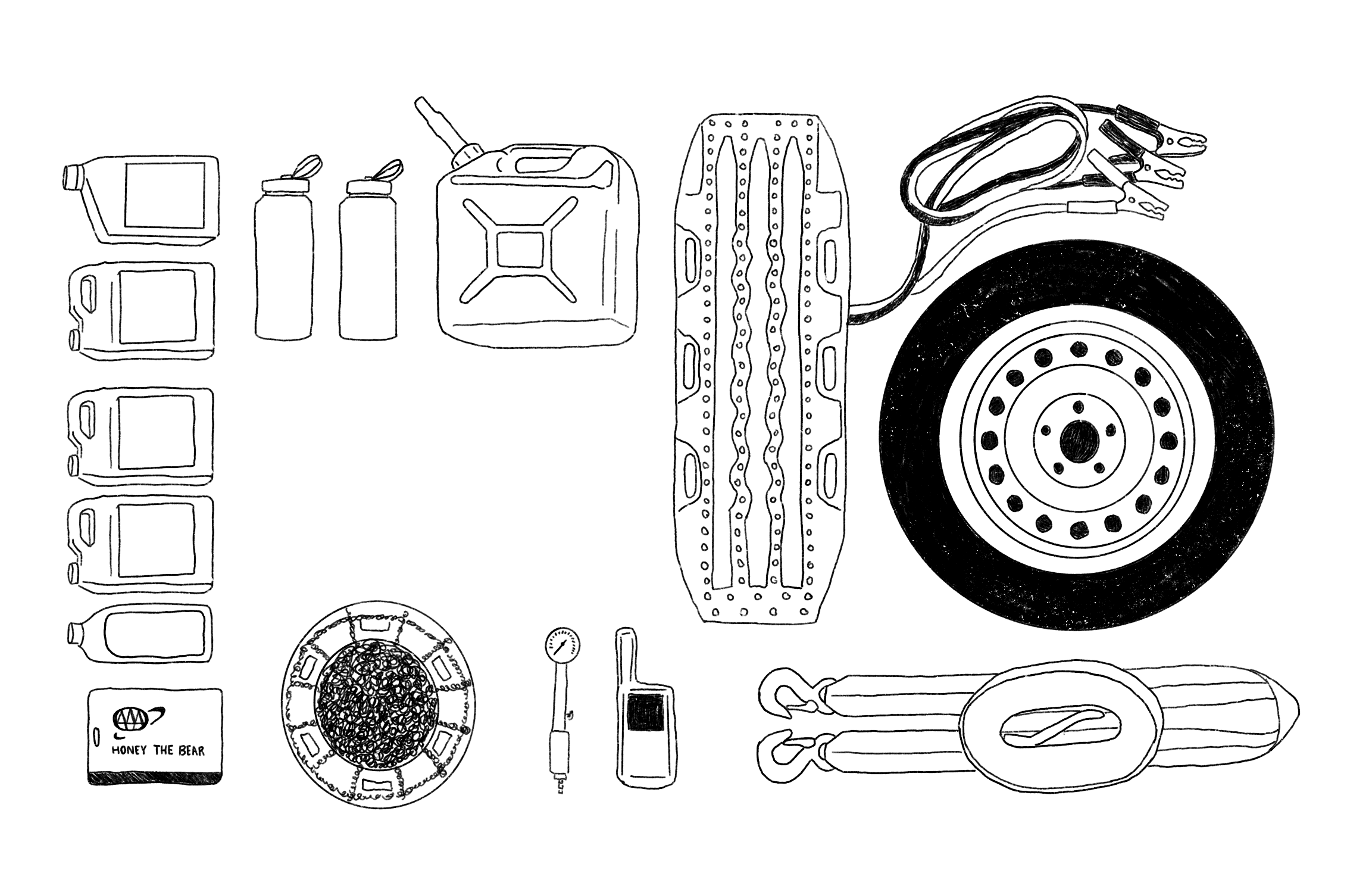
Carry a tire pressure gauge, spare tire, jumper cables, chains, tow strap, extra fluids, food and water, traction aids, extra gas for remote trips, an AAA card, and the “11th essential”, a Personal Locator Beacon.
spcaer
car packing text
spcaer
car packing text change
spcaer
The animals you might encounter vary by region. In the Appalachians, you won't see grizzly bears or mountain lions — but you will share space with black bears, venomous snakes, reintroduced elk, wild boar, and plenty of ticks.
Knowing what to expect and how to respond keeps you safe and protects the animals whose home you're visiting.

Wildlife
encounters are part of
what makes camping
memorable.
Most are completely
harmless if you follow
a few basic rules.
spcaer
wildlife splash1
wildlife splash2
wildlife splash3
spcaer
The Bear Triangle
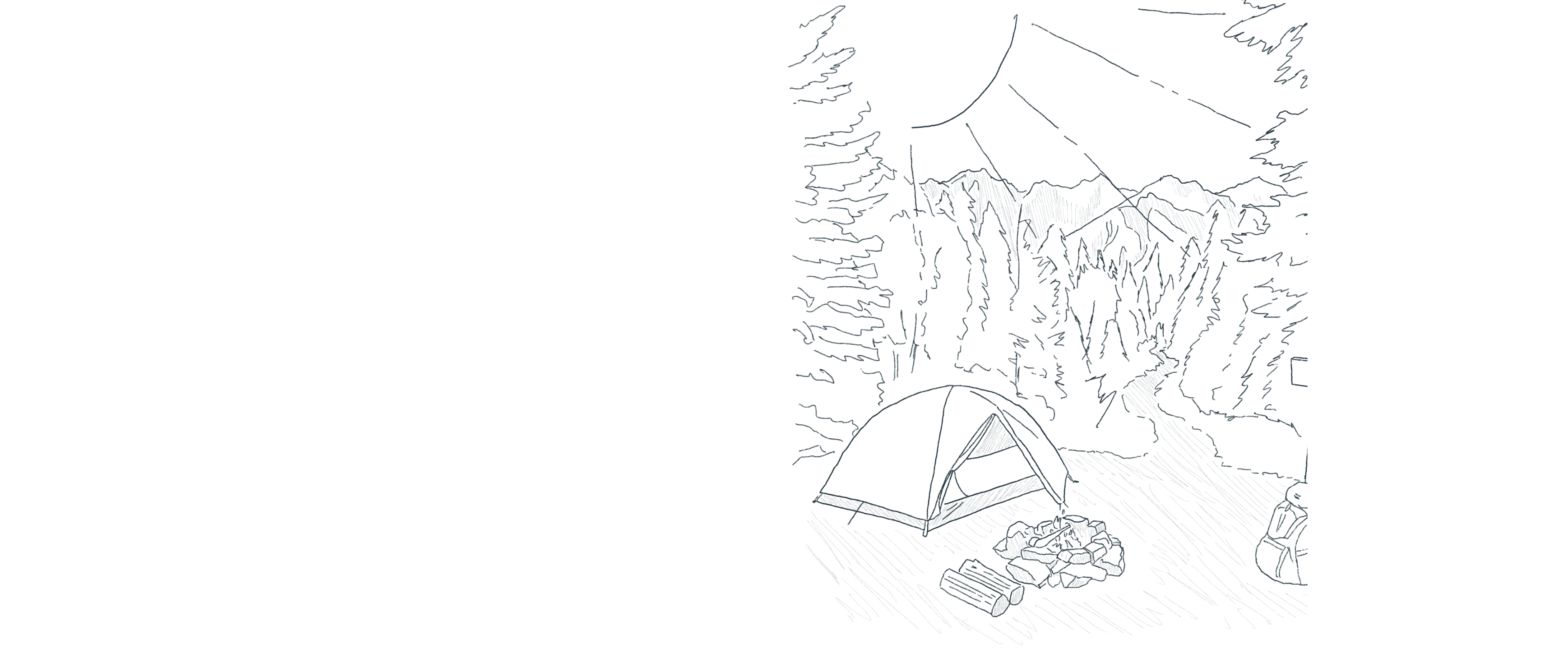
Set up your camp in a triangle configuration with each point as far apart as possible — ideally 100 yards (or meters) on each side. In reality, that's often not feasible, but get as much distance as you can.
In areas with black bears, your campsite layout matters.
The goal is to separate sleeping, cooking, and food storage so that food smells don't lead animals to your
tent.
spcaer
wildlife splash1
wildlife splash2
wildlife splash3
While preparing meals, choose a spot with good visibility in all directions
This is where you prepare and eat meals.
Clean up thoroughly - no crumbs, no spills




Why this matters:
If a bear (or other animal) investigates your food at night, you want them far from where you're sleeping. The triangle keeps you out of the path between an animal
and a potential food source.
campkitchen1
spcaer
campkitchen2
spcaer
campkitchen3
spcaer
campkitchen4
spcaer
TIMBER RATTLESNAKES
Danger level
-
+
How to avoid them:
Same precautions as copperheads (watch where you step, use trekking poles, wear boots)
If you hear rattling, freeze immediately and locate the source
Rattlesnakes can strike from a coiled position up to half their body length
If you encounter one:
Stop moving immediately
Locate the snake (they're well-camouflaged)
Back away slowly — minimum 6 feet, ideally more
Give it space to leave — most will retreat if given the option
If bitten:
Same protocol as copperhead (stay calm, immobilize limb, get medical help immediately)
Do not wait to see if symptoms develop - rattlesnake bites require anti-venom
Call 911 or activate emergency plan

Gray, tan, or yellow with dark chevron or blotch patterns
They rattle before striking as a warning
Prefer rocky, mountainous terrain and sunny areas
Less common than copperheads but present in Appalachian forests
Venomous and potentially dangerous (more potent than copperhead), Bites are rare but serious
If you hear rattling, STOP. Locate. Back away slowly.
BLACK BEARS
Danger level
-
+
If you see a bear from a distance:
Stay calm and make noise so it knows you're there
Don't approach — give it space to move away, and change your route if needed to maintain distance
If you encounter a bear at close range:
Stand your ground: don't run (running triggers chase instinct, and bears are faster than you)
Make yourself big: raise your arms, open your jacket, stand on a rock
Speak firmly and calmly: "Hey bear, I'm leaving now", let it know you're human
Back away slowly while facing the bear: don't turn your back
If a black bear charges:
Most charges are bluff charges — the bear will stop short or veer away
Hold your ground, keep talking calmly, prepare bear spray for if it gets within 20–30 feet
If contact seems imminent: Fight back aggressively with anything available (rocks, sticks, fists, kick, scream). Black bears rarely follow through but will back off if you fight.
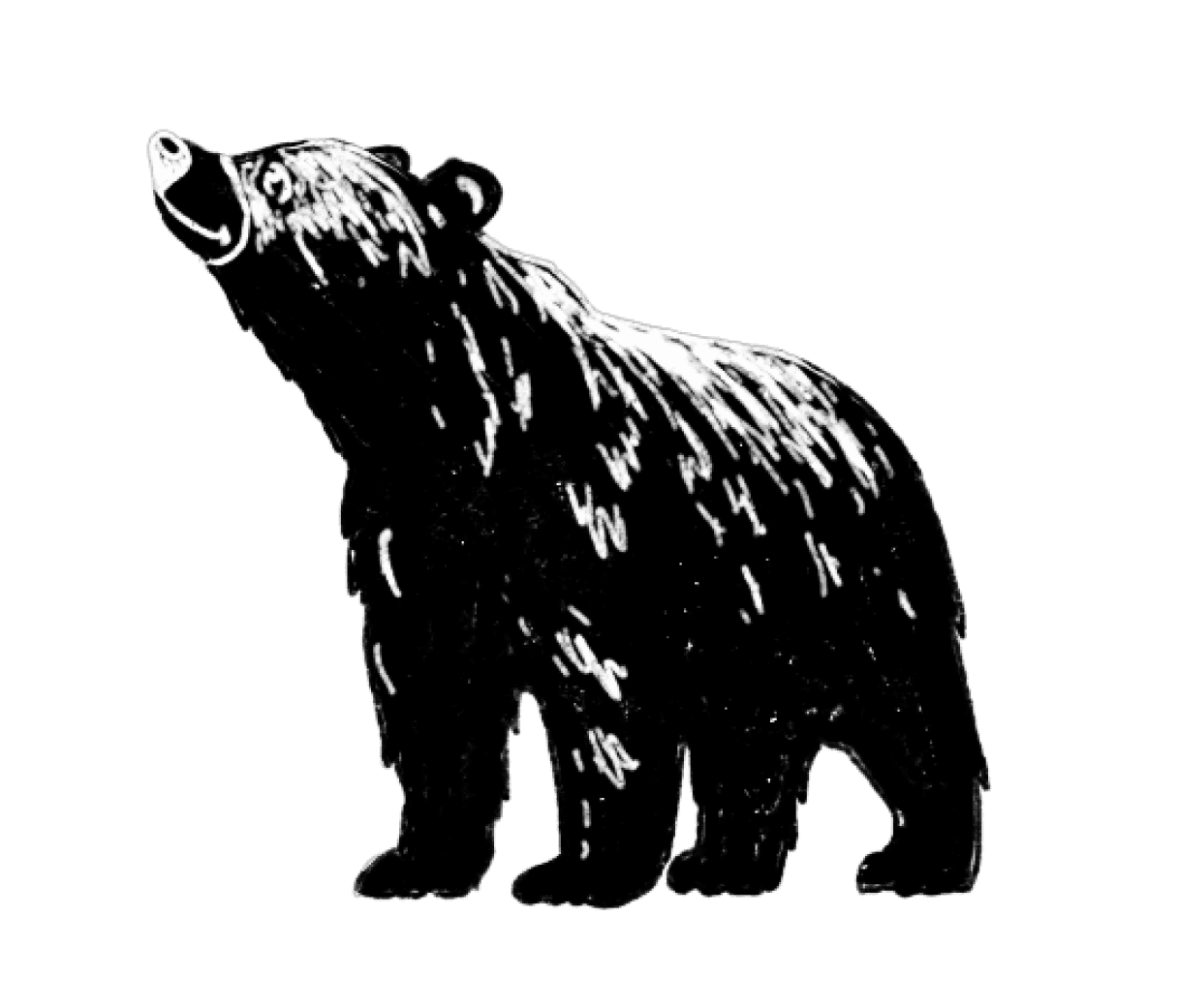
Attacks are extremely rare — most "encounters" are just the bear passing through
They're most active at dawn and dusk
Black bears are generally shy and avoid humans
A fed bear becomes a problem bear (and often ends up euthanized)
Never play dead with a black bear, climb a tree, or approach a cub!
COPPERHEAD SNAKES
Danger level
-
+
How to avoid them:
Watch where you step and sit, especially on rocks and logs
Don't put your hands in places you can't see (crevices, under logs)
Wear boots and long pants when hiking
Use a headlamp or flashlight at night
If you see one:
Stop moving and back away slowly, give it space to escape
Don't try to kill, capture, or handle it (most bites happen when people try to interact)
If bitten:
Stay calm — panic increases heart rate and spreads venom faster
Move away from the snake so it doesn't bite again
Remove jewelry/tight clothing near the bite (swelling will occur)
Keep the bite area below heart level if possible
Get to medical help immediately — call 911 or activate emergency plan

Prefer rocky areas, woodpiles, leaf litter
Venomous but bites are rarely fatal
Most active in warm weather (spring through fall)
Tan/copper color with hourglass-shaped crossbands
Do NOT: suck out venom, apply a tourniquet, or ice
ELK
Danger level
-
+
How to stay safe:
Maintain 50 yards distance minimum (or more during rut)
Never approach, even if they seem calm
If an elk approaches you, back away and give it space
Watch for warning signs: raised head, pinned-back ears, huffing sounds
If you an elk approaches you:
Back away and give it space
Watch for warning signs: raised head, pinned-back ears, huffing sounds
If an elk charges:
Run and find cover — get behind a tree, rock, or vehicle
Don't stand your ground like you would with a bear (elk are much larger and can trample)
During rut season (Sept–Oct):
Bulls are aggressive and unpredictable, so give them even more space than usual
Stay extra alert in areas with elk populations
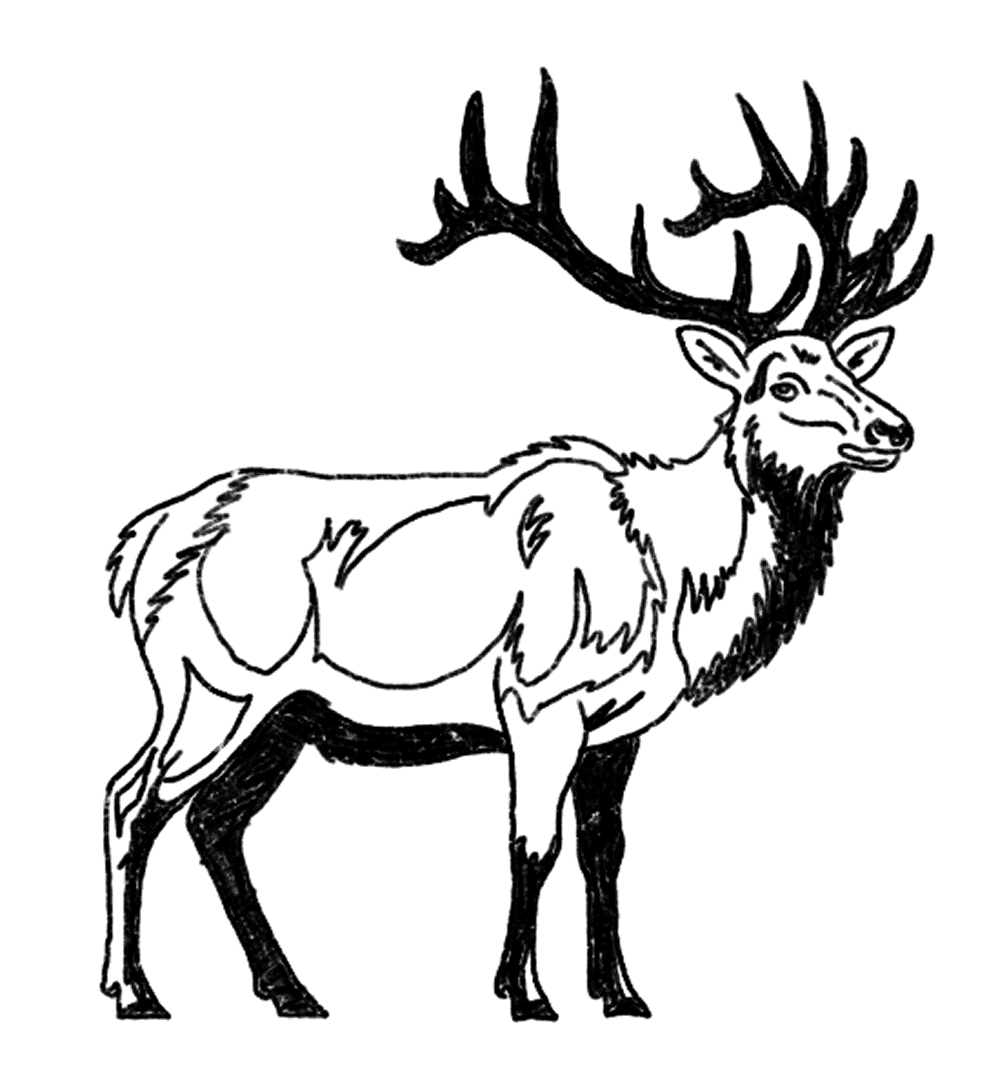
Most aggressive during mating season (fall rut) — bulls are territorial and will charge
Large herbivores (males can weigh 700+ lbs)
Generally calm but can be dangerous if approached
Reintroduced to Great Smoky Mountains National Park
TICK
Danger level
-
+
How to prevent tick bites:
Wear long sleeves, long pants, and socks (tuck pants into socks) and light-colored clothing (makes ticks easier to spot). Apply insect repellent to exposed skin (DEET or picaridin) and treat clothing with permethrin before your trip (lasts through multiple washes)
Stay on trails: avoid brushing against tall grass and vegetation
Daily tick checks:
Check your entire body, gear, and clothing at the end of each day, paying special attention to: hairline, behind ears, armpits, groin, behind knees, waistband
If you find a tick:
Remove it immediately and properly remembering to: use fine-tipped tweezers (not fingers), grasp the tick as close to your skin as possible, pull straight up with steady pressure (don't twist or jerk), and don't squeeze the tick's body
Clean the bite site with soap and water or rubbing alcohol
Save the tick in a sealed bag or container (useful for identification if symptoms develop)
Monitor for 30 days: watch for a bulls-eye rash (red ring with clear center), note any flu-like symptoms (fever, fatigue, headache, muscle aches), and if either appears, see a doctor immediately
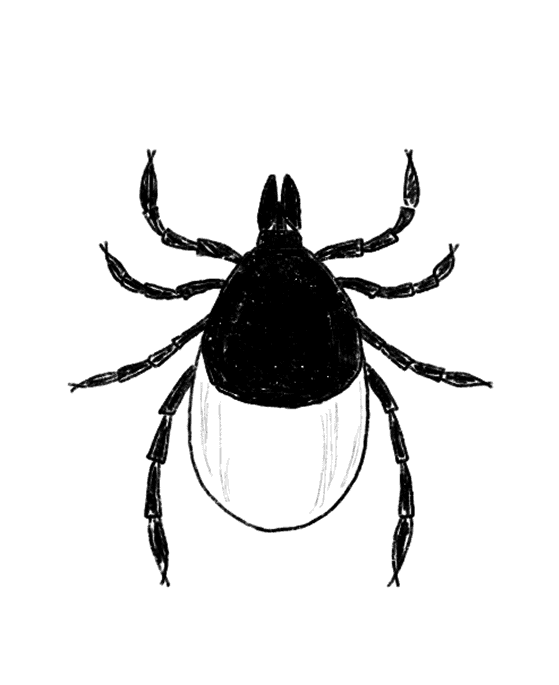
Extremely common in Appalachian forests (spring through fall)
Attach to skin and feed for hours/days
Tiny (can be as small as a poppy seed)
Carry Lyme disease, Rocky Mountain spotted fever, and other illnesses
Untreated, Lyme disease can cause long term joint and heart problems.
spcaer
wildlife splash1
wildlife splash2
wildlife splash3
01
You're a guest in THEIR home, but most animals will want nothing to do with you.
02
If you do encounter an animal, carry protection, make noise, and do not feed them.
03
Overall, respect and distance are what will keep everyone safe in the long run.
Just remember
these golden
rules:
spcaer
01
02
03
spcaer
Navigational strategies
When you head out solo, confidence in your navigation skills is just as important as your gear.
Navigation isn’t about being perfect with a compass or memorizing maps. It’s about layering tools, paying attention, and knowing how to respond when something doesn’t match your expectations.
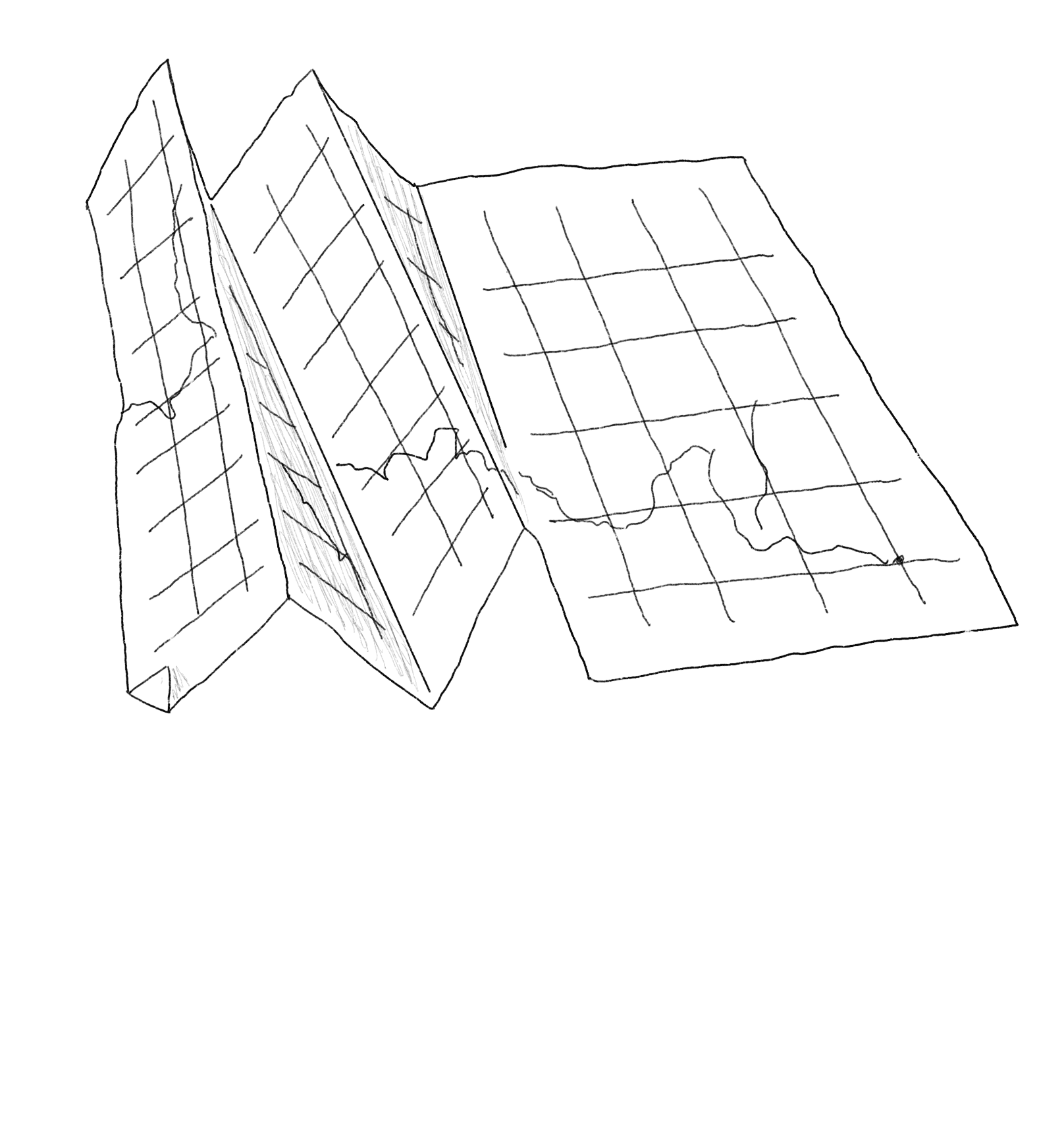
Whenever you head into the woods — even for one night — you should have a baseline understanding of how to read a map. Google Maps may get you to the campsite, but it won’t get you home once you leave cell range. Write down directions both ways. Download maps for offline use. Carry backups.

spcaer
01
spcaer

Physical topographic map

Baseplate compass

GPS device

An altimeter
Bring at least three of the following:
Modern wilderness navigation relies on layering tools. Each tool has strengths and weaknesses, but together they help you stay oriented and handle unexpected situations.
spcaer
spcaer

Good navigation starts at home — but it’s maintained by awareness on the trail.
Instead of staring at your phone, experienced navigators constantly update their mental map with this simple loop.
Observe
Where is the sun?
What landmarks match the map?
How far have I traveled, and how fast?
I need to slow down!
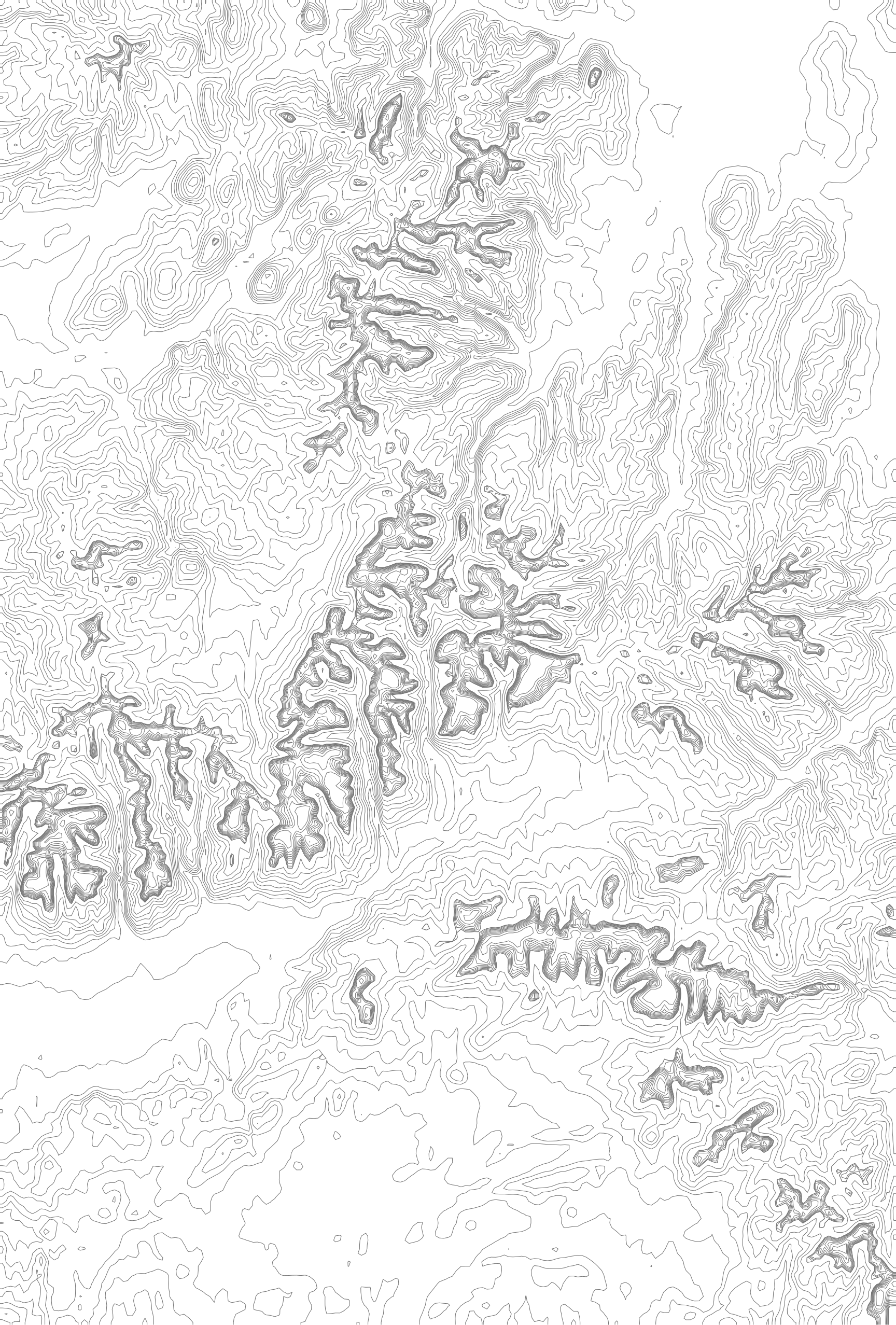
Topo maps commonly use latitude and longitude to describe location.
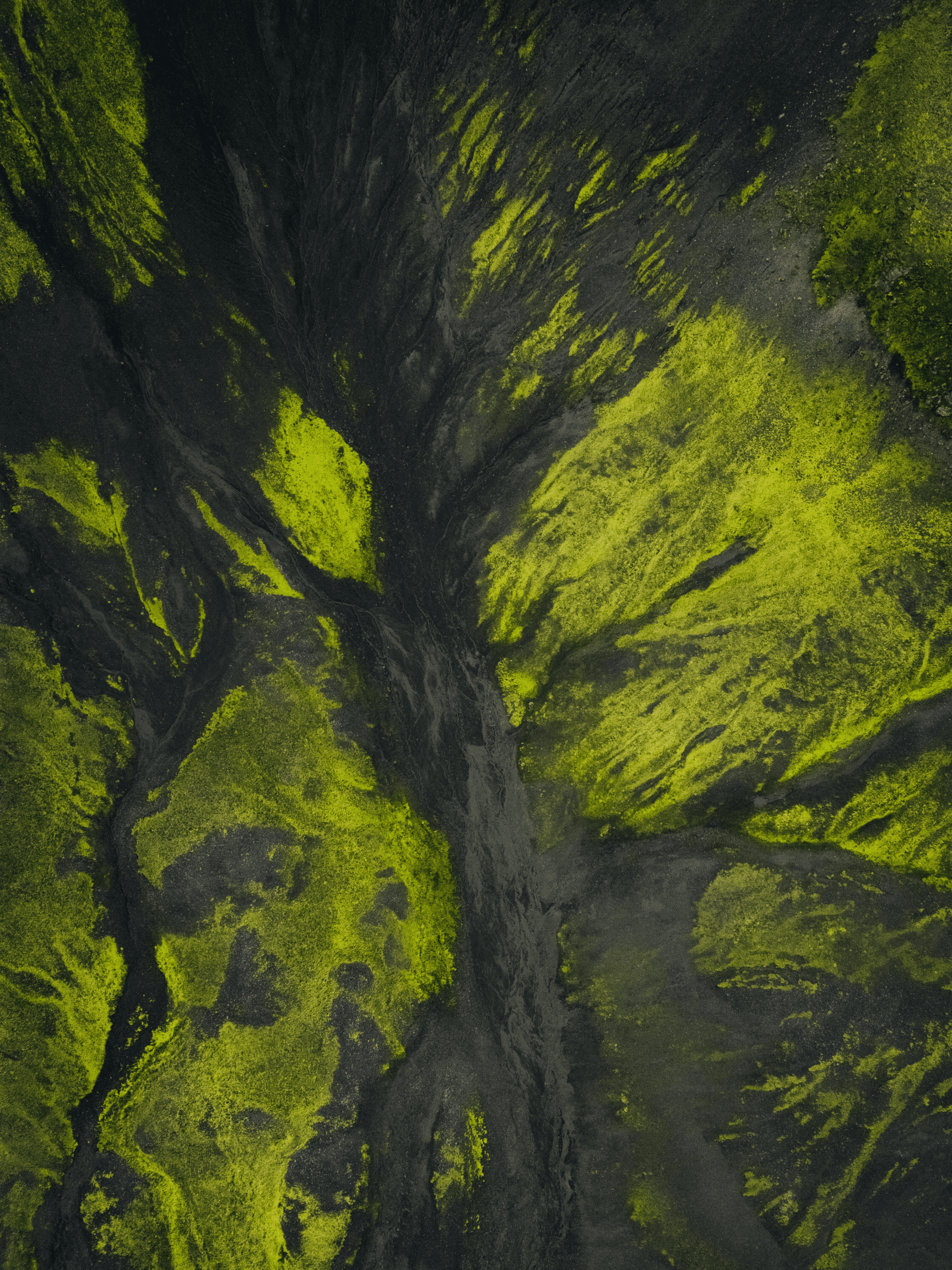
A topographic map uses contour lines to show elevation and landform. These lines are the key to understanding what the terrain will actually feel like on foot.
30.076 N
79.48 W
whereas longitude measures east–west from the Greenwich meridian.
Latitude measures north–south from the equator;
This is a ridge

This is a valley or ravine

This is a peak or summit

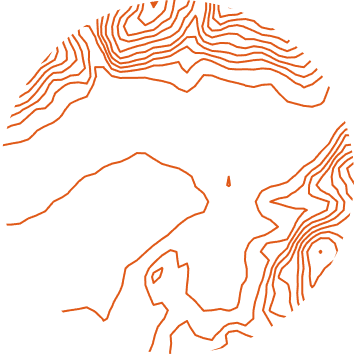
This is a a gentle slope moving into a nearly flat area.
spcaer
text 1
spacer
text 2 fr
spcaer
spcaer
text 2 fr.2
spcaer
text2
spcaer
latitude
longitude
ridge
ridge
ridge
ridge
ridge
ridge
peak
ridge
peakappear
slope
ridge
slopeappear
end transition
end transition
end transition.1
end transition.2
end transition.3
end transition.4
What to do
If you think you’re lost:
Stop. Breathe. Don’t panic.
Sit down and check your map. Mark your current position. Explore short distances carefully, returning to your marker each time. If it’s getting late, prioritize water, shelter, and visibility.
Stay calm and prepared. More often than not, you’ll either find your way — or be found.
spcaer
01